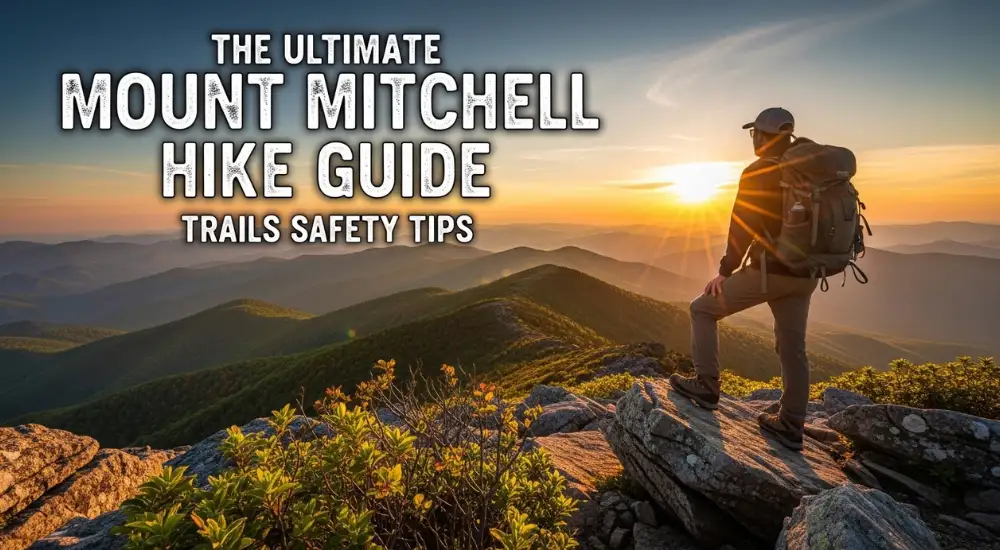
Mount Mitchell is the highest peak in the eastern United States, located in the beautiful Blue Ridge Mountains of North Carolina. This complete guide will show you how to hike Mount Mitchell in a simple, step-by-step way so even beginners can feel confident. Whether you are planning your first Mount Mitchell hike, looking for the best trail options, or trying to understand the difficulty level and elevation gain, this article covers everything.
Hiking here is not just a walk in the forest—it is a real mountain experience with changing weather conditions, scenic views, and a rewarding summit. You’ll also learn about the best time to go, what gear to bring, and how long the hike takes.
If you are searching for a clear and practical Mount Mitchell hiking guide, this article will help you plan safely and enjoy every step of the journey.
Mount Mitchell Overview (Why This Hike Is So Popular)
Mount Mitchell is known as the highest peak east of the Mississippi River, standing tall in the heart of the Blue Ridge Mountains, North Carolina. This alone makes it one of the most popular destinations for hikers searching for a memorable Mount Mitchell hike experience.
People from all over visit this place because it offers a mix of natural beauty, physical challenge, and rewarding summit views. Unlike easy walking trails, the Mount Mitchell trail gives you a real mountain experience with changing terrain, cool forest air, and high-elevation scenery.
Hikers choose this destination not just for fitness, but for the feeling of reaching something truly special. At the summit, you are surrounded by wide mountain views, fresh air, and peaceful silence that feels completely different from everyday life. This emotional reward is what makes hiking Mount Mitchell unforgettable for many visitors.
Mount Mitchell Overview
Mount Mitchell is the highest peak east of the Mississippi River, standing proudly in the Blue Ridge Mountains of North Carolina. This alone makes it one of the most famous hiking destinations in the United States.
What makes the Mount Mitchell hike so special is not just its height, but the full experience. Hikers come here for the wide mountain views, dense forest trails, and peaceful natural environment that feels completely different from city life.
Unlike many easy walks, this is a true mountain adventure where you feel the challenge of elevation gain and changing terrain. Every step brings you closer to a rewarding summit experience.
At the top, the observation tower view gives a powerful emotional moment—clouds below you, cool wind around you, and endless layers of mountains stretching into the distance. That feeling is the main reason hikers keep returning to Mount Mitchell.
Before You Go: Planning Your Mount Mitchell Hike
Before starting your Mount Mitchell hiking guide journey, proper planning is very important for safety and comfort.
The best time of year to hike Mount Mitchell is usually late spring through early fall. During winter, snow, ice, and strong winds can make the trail much more difficult and sometimes unsafe.
The weather at the summit can change very quickly. Even on a sunny day, temperatures can drop suddenly, and fog can reduce visibility. Always be prepared for cooler conditions at higher elevations.
A simple fitness level self-check is also important. If you are comfortable walking uphill for long periods, you will likely manage this hike. Beginners should start slow and take breaks when needed.
To choose the right trail, think about your experience level and how much time you have. Shorter trails are better for beginners, while longer routes are for experienced hikers.
Is this hike right for you? Mini assessment
- You are comfortable walking 2–5 hours uphill
- You can handle changing weather conditions
- You are okay with moderate to high difficulty terrain
- You enjoy nature, silence, and physical challenge
If most answers are yes, the Mount Mitchell hike is a great fit for you.
Mount Mitchell Hiking Routes Explained
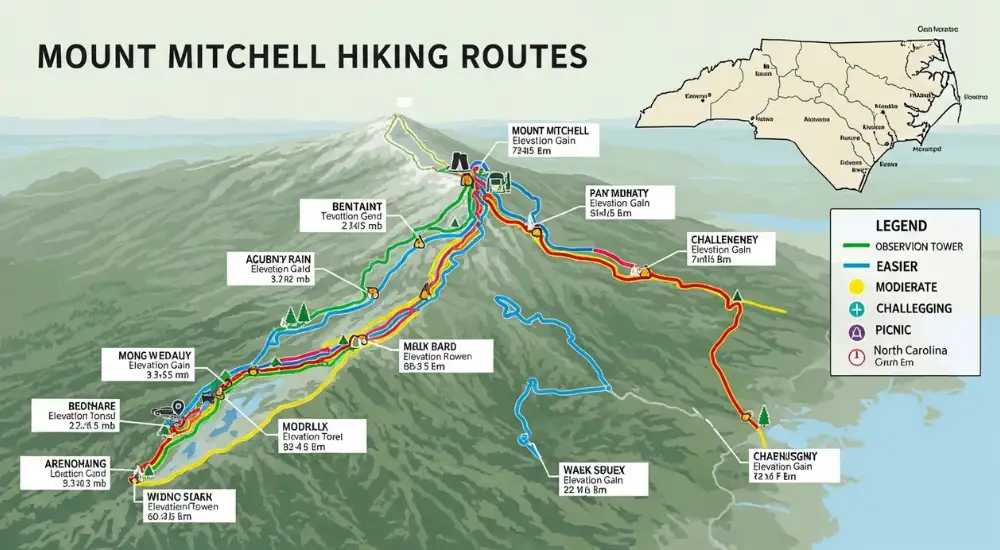
There are several ways to experience the Mount Mitchell trail system, and choosing the right route depends on your fitness level, time, and hiking goals.
You might also like: Best Hikes in the Faroe Islands
Main Routes
Mount Mitchell Trail (Most Popular Route)
This is the most commonly used path to the summit. It offers a direct route through forested areas and steady elevation gain. It is challenging but achievable for many hikers with moderate fitness.
Black Mountain Crest Trail (Advanced Route)
This is one of the most difficult and longest hiking routes leading toward Mount Mitchell. It includes multiple peaks, steep climbs, and exposed ridges. It is recommended only for experienced hikers.
Alternative Scenic Approaches (Easier Access Options)
Some routes and nearby access points allow shorter hikes or partial summit experiences. These are ideal for beginners who still want to enjoy the Mount Mitchell State Park views without a full strenuous hike.
Comparison Overview
Distance:
- Mount Mitchell Trail: Moderate distance
- Black Mountain Crest Trail: Long distance
- Scenic access routes: Short to moderate
Difficulty Level:
- Mount Mitchell Trail: Moderate to hard
- Black Mountain Crest Trail: Very hard
- Scenic access routes: Easy to moderate
Estimated Hiking Time:
- Mount Mitchell Trail: Half day to full day
- Black Mountain Crest Trail: Full day or multi-day
- Scenic access routes: 1–3 hours
Best For:
- Mount Mitchell Trail: Regular hikers
- Black Mountain Crest Trail: Experienced hikers
- Scenic access routes: Beginners and families
Step-by-Step Hiking Experience
The Mount Mitchell hike experience is not just about reaching the top—it’s about how the trail changes as you move upward. From the start to the summit, the journey feels like a steady shift from calm forest walking to a real mountain climb.
Starting Point Experience (Trailhead Entry)
Most hikers begin at the official Mount Mitchell Trailhead in Mount Mitchell State Park. The first part feels peaceful, with shaded forest paths, soft ground, and a quiet natural atmosphere. It is a calm start, but it slowly prepares you for the climb ahead.
Early Trail Conditions
In the beginning, the trail is moderately easy. You will see dense trees, cool air, and well-marked paths. This section helps your body warm up before the steeper parts begin.
Mid-Hike Terrain Changes
As you move higher, the trail becomes steeper and more demanding. Roots, rocks, and uneven ground appear more often. This is where the Mount Mitchell hiking difficulty starts to feel real.
Elevation Climb Challenges Explained Simply
The biggest challenge is the elevation gain. As you climb, your legs work harder and breathing becomes heavier. It’s not dangerous for most hikers, but it does require steady pacing and short breaks.
Final Approach to Summit
Near the top, the forest becomes thinner and cooler. You start feeling strong winds and notice quick weather changes. The final push leads you to the Mount Mitchell summit and observation tower, where the view opens completely.
What Beginners Should Expect Mentally & Physically
Beginners should expect:
- Slower walking pace than usual
- Tired legs during steep sections
- The need for frequent short breaks
- A strong sense of achievement at the top
Break Points Where Hikers Usually Rest
Common rest spots include:
- Early shaded forest sections
- Mid-trail steep climbs
- Before the final summit push
Taking breaks is normal and helps you complete the hike safely.
Difficulty Breakdown
Understanding the Mount Mitchell hike difficulty is important before you start. Many hikers underestimate it because it looks like a simple forest trail at first.
Beginner Suitability (Honest Explanation)
For beginners, the hike is moderate to challenging. It is possible, but only with proper pacing, water, and rest breaks. If you are not used to uphill walking, you may find it tiring.
Intermediate Challenge Level
For intermediate hikers, this trail feels like a steady endurance climb. The main challenge is not technical difficulty, but constant elevation gain over time.
Advanced Endurance Routes
More advanced routes like the Black Mountain Crest Trail are significantly harder. They require stamina, experience, and sometimes full-day or multi-day hiking ability.
Elevation Gain Explained in Simple Terms
The elevation gain means you are continuously going uphill for a long distance. Even if the trail looks easy at first, your body will feel the effort over time.
Common Misconception About Difficulty
A common mistake is thinking Mount Mitchell is “just a short walk to a viewpoint.” In reality, it is a real mountain hike with changing terrain and steady climbing, which makes preparation very important.
Elevation, Weather & Real Conditions at the Summit
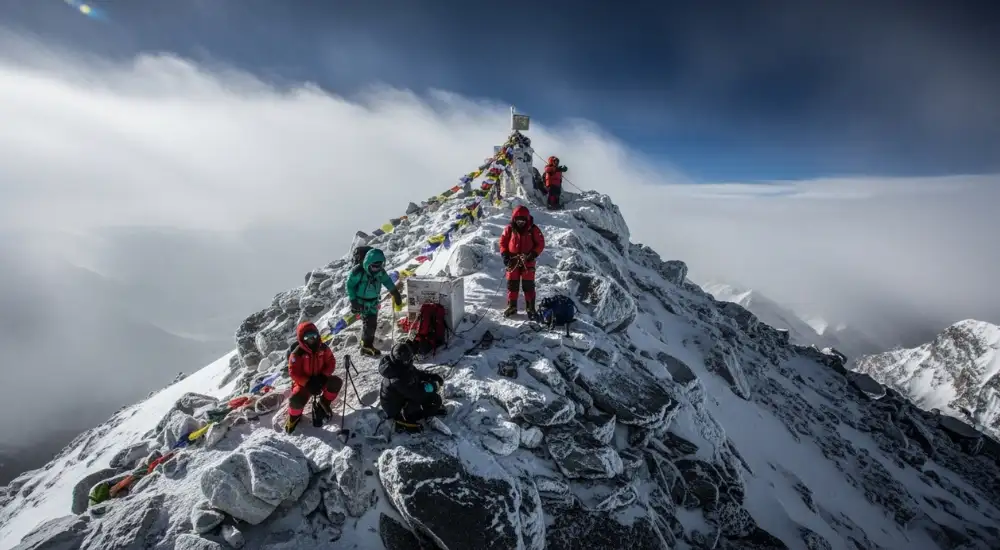
One of the most important parts of the Mount Mitchell hike is understanding how quickly conditions change as you gain elevation. The higher you go, the more different it feels compared to the base area.
Temperature Drop vs Base Area
At the summit of Mount Mitchell, temperatures can be significantly cooler than at the trailhead. It may feel warm at the start, but as you climb, the air becomes noticeably colder and sharper. Many hikers underestimate this change and feel unprepared at the top.
Fog, Wind, and Sudden Changes
The weather at the summit is unpredictable. Even on clear days, thick fog can move in quickly, reducing visibility. Strong winds are also common, especially near the top observation area. These sudden changes are part of the Mount Mitchell experience.
Seasonal Differences
- Spring: Cool and fresh, but still unpredictable
- Summer: Green trails, but the summit remains cool
- Fall: Clear views and best hiking conditions
- Winter: Snow, ice, and high difficulty conditions
Safety Impact of Elevation
Higher elevation means thinner air, colder temperatures, and faster fatigue. It does not affect everyone strongly, but beginners may feel more tired than expected.
What 1,000+ Ft Elevation Actually Feels Like While Hiking
Gaining elevation in Mount Mitchell feels like your body is slowly working harder even if the pace stays the same. Your breathing becomes deeper, your legs feel heavier, and rest stops feel more necessary. It is not extreme altitude sickness for most hikers, but it is enough to change your energy levels noticeably.
Gear Checklist for Mount Mitchell (Complete Packing Guide)
Having the right gear is very important for a safe and comfortable Mount Mitchell hiking experience. Weather changes and elevation make preparation essential.
Clothing Layering System
Wear multiple layers instead of one heavy jacket:
- Base layer for sweat control
- Mid-layer for warmth
- Outer layer for wind protection
This helps you adjust easily as the temperature changes.
Hiking Boots Importance
Good hiking boots are necessary because the trail includes rocks, roots, and uneven surfaces. Proper grip reduces the risk of slipping, especially in wet conditions.
Water, Snacks, and Hydration
Bring enough water for the full hike. Energy snacks like nuts, bars, or fruit help maintain stamina during steep climbs.
Navigation Tools (Maps/GPS)
Even though the trail is marked, having a map or GPS helps you stay confident and track progress.
Most Forgotten Items by Hikers
- Extra warm layer for the summit
- Sunscreen (even in cooler weather)
- Portable phone charger
- Small first-aid basics
What NOT to Bring on This Hike
- Heavy unnecessary bags
- Uncomfortable shoes (like casual sneakers)
- Overpacking gear you won’t use
- Glass bottles (not practical for trails)
Safety Guide & Common Mistakes
Safety is one of the most important parts of the Mount Mitchell trail guide, especially because weather and terrain can change quickly.
Sudden Weather Risk Awareness
The weather at higher elevations can shift in minutes. Always be prepared for rain, fog, or cold winds, even if the forecast looks good.
Trail Slipping Hazards
Some sections of the trail include rocks, roots, and damp ground. Walking carefully and wearing proper shoes reduces risk.
Starting Too Late in the Day
Many hikers underestimate time. Starting late can lead to finishing in low light or cold evening conditions.
Underestimating Elevation
Elevation gain is one of the biggest challenges. Even experienced hikers can feel more tired than expected.
Top 10 Beginner Mistakes Hikers Make on Mount Mitchell
- Not checking the weather conditions before starting
- Wearing improper footwear
- Not carrying enough water
- Starting the hike too late
- Ignoring rest breaks
- Overestimating fitness level
- Not dressing in layers
- Skipping navigation tools
- Underestimating cold at summit
- Not pacing themselves early in the hike
Emergency Preparedness Basics
- Always tell someone your hiking plan
- Carry a fully charged phone
- Know your turnaround point
- Bring basic first-aid items
- Stay on marked trails
Being prepared makes the hike not only safer but also more enjoyable.
Parking, Trailhead Access & How to Get There
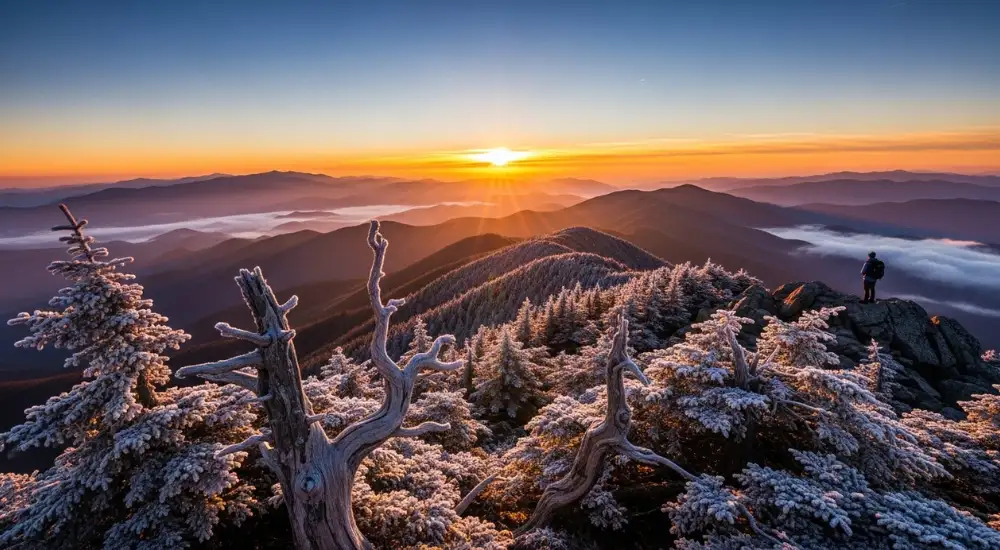
Reaching the Mount Mitchell hike trailhead is fairly simple, but planning your arrival properly can save time and stress.
Main Entry Points
Most hikers enter through Mount Mitchell State Park, which provides direct access to the main trail system. This is the primary starting point for the classic Mount Mitchell Trail hike.
Parking Availability
Parking is available near the visitor area and designated trailhead zones. However, spaces can fill up quickly during weekends, holidays, and peak hiking season. Arriving early is always a better option.
Driving Directions Overview
Mount Mitchell is accessible via scenic mountain roads, including routes connected to the Blue Ridge Parkway. The drive itself is part of the experience, with winding roads, forest views, and elevation gain even before you start hiking.
Timing Restrictions
Some park areas may have seasonal access limits or early closure times. Always check local park timings before planning your hike to avoid being delayed or locked out.
The Summit Experience
Reaching the Mount Mitchell summit is the most rewarding part of the entire hike. After steady climbing, the view suddenly opens into a wide mountain landscape.
Observation Tower Details
At the top, you’ll find a well-known observation tower. Climbing it gives you a higher perspective, allowing full 360-degree visibility of the surrounding Blue Ridge Mountains.
360° Mountain Views
On clear days, you can see endless layers of blue-green mountains stretching into the distance. Clouds often float below you, creating a dramatic and unforgettable scene.
Best Viewpoints
The best views are:
- From the observation tower top
- Open clearings near the summit
- Edges of viewing platforms with wide horizon visibility
Emotional Reward of Reaching the Summit
After the physical effort of the climb, reaching the top brings a strong feeling of accomplishment. Many hikers describe it as a mix of relief, pride, and calmness as they take in the scenery.
Best Time of Day for Photography
Early morning and late afternoon are the best times for photos. Morning light often brings clearer skies, while sunset adds soft colors over the mountain layers.
Hidden Tips from Experienced Hikers

Experienced hikers often know small details that make the Mount Mitchell hike smoother and more enjoyable.
Best Time to Avoid Crowds
Weekdays and early mornings are usually the quietest times. This allows for a more peaceful hiking experience and better photo opportunities.
Wind Protection Tricks at Summit
The summit can be very windy. Wearing a windproof jacket or standing near natural barriers helps reduce exposure and keeps you warmer.
Photography Hacks
- Use early morning light for clear mountain views
- Wait for fog breaks for dramatic shots
- Capture both wide landscapes and close forest textures
Rest Strategy for Steep Sections
Instead of long breaks, take short and frequent rests. This helps maintain energy without cooling down too much in colder conditions.
Nearby Attractions & Extended Travel Ideas
A Mount Mitchell State Park visit can easily be turned into a full travel experience with nearby attractions.
Blue Ridge Parkway Scenic Stops
The Blue Ridge Parkway offers several scenic overlooks near Mount Mitchell. These stops are perfect for relaxing views and photography.
Nearby Hiking Trails
There are several nearby trails ranging from easy walks to challenging climbs, making the area great for hikers of all levels.
Asheville Travel Connection
The city of Asheville, North Carolina is a popular base for visitors. It offers food, lodging, and cultural experiences after your hike.
Weekend Itinerary Ideas
Many travelers combine Mount Mitchell with:
- A scenic drive along the Blue Ridge Parkway
- A short hike in nearby forests
- A visit to Asheville for food and relaxation
1-Day vs 2-Day Mount Mitchell Travel Plan
- 1-Day Plan: Early morning hike, summit visit, return the same day
- 2-Day Plan: Day 1 hiking + nearby exploration, Day 2 scenic drives and recovery time
A 2-day plan is better for a relaxed and less rushed experience.
Costs, Rules & Practical Information
Before starting your Mount Mitchell hike, it’s important to understand the basic rules and practical details of Mount Mitchell State Park so your visit is smooth and stress-free.
Entry Fees (If Applicable)
In most cases, access to Mount Mitchell State Park and its hiking trails is free. However, parking or special facilities may have seasonal fees depending on park management updates.
Park Rules
To protect the natural environment and ensure safety, visitors should follow basic rules:
- Stay on marked hiking trails
- Do not disturb wildlife or plants
- Pack out all trash
- Respect quiet zones in natural areas
Timing Restrictions
The park operates within specific hours. Trails and facilities may close early in the evening, so it is important to start your Mount Mitchell hiking guide journey early in the day.
Seasonal Closures
During winter or severe weather, parts of the park or summit access may close due to ice, snow, or unsafe conditions. Always check updates before planning your trip.
Photo Spots You Should NOT Miss
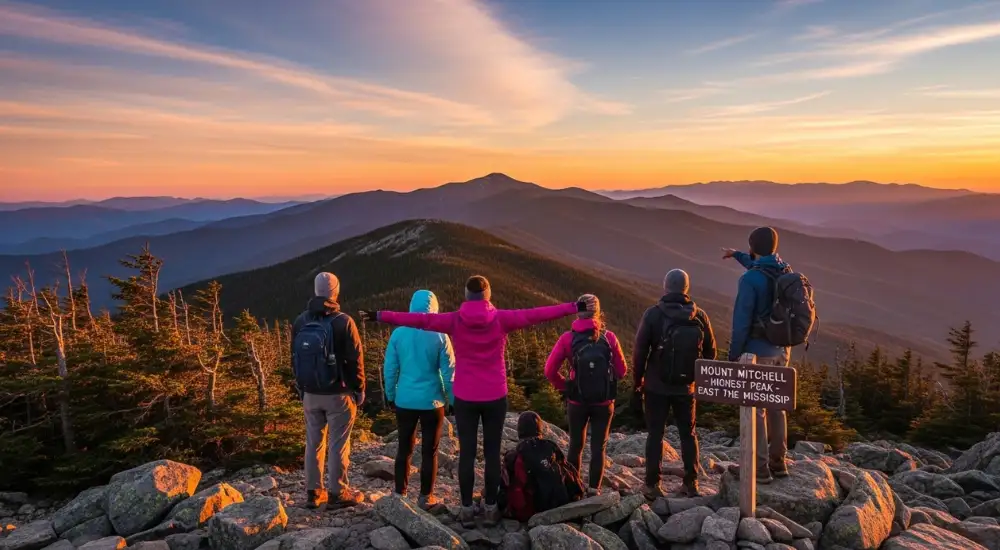
The Mount Mitchell summit hike offers some of the most beautiful photography locations in the region. Knowing where to stop can make your trip even more memorable.
Best Summit Angles
The top of the observation tower gives the widest panoramic views. This is the best place to capture the full 360-degree mountain scenery.
Scenic Forest Sections
Early parts of the trail are surrounded by dense, green forest. These shaded areas are perfect for calm, natural shots with soft lighting.
Hidden Viewpoints
Along the trail, small clearings and edges offer less crowded viewpoints. These spots are great for peaceful photos without heavy tourist presence.
Lighting Timing Tips
- Morning light: Clear and crisp mountain visibility
- Late afternoon: Warm tones and softer shadows
- After fog breaks: Dramatic and cinematic landscape shots
FAQs
Is Mount Mitchell hard to hike?
The Mount Mitchell hike difficulty is moderate to challenging. It is not technically difficult, but the continuous elevation gain can make it tiring for beginners.
How long does it take to hike Mount Mitchell?
Depending on the route, it usually takes between a few hours to a full day. Shorter routes are faster, while longer trails like the Black Mountain Crest Trail take much longer.
Can beginners hike Mount Mitchell?
Yes, beginners can hike Mount Mitchell if they choose the right trail, pace themselves, and take regular breaks. Preparation is very important.
What is the best trail to the summit?
The Mount Mitchell Trail is the most popular and direct route. It is considered the best balance between difficulty and accessibility.
Is Mount Mitchell worth it?
Yes, it is worth it for the summit views, unique elevation experience, and natural beauty of the Blue Ridge Mountains.
Final Verdict: Should You Hike Mount Mitchell?
The Mount Mitchell hiking experience is one of the most rewarding hikes in the eastern United States. It combines physical challenge, natural beauty, and a powerful summit view that makes the effort worth it.
Summary of Experience
You start in a peaceful forest, gradually climb through changing terrain, and finish at a high-elevation summit with breathtaking 360-degree views.
Who Should Do It
- Beginner hikers (with preparation and rest breaks)
- Nature lovers
- Photographers
- Adventure seekers
Who Should Be Careful
- People not used to uphill hiking
- Those unprepared for sudden weather changes
- Hikers without proper gear or planning
Final Travel Recommendation
If you are looking for a scenic, challenging, and unforgettable mountain hike, Mount Mitchell should definitely be on your list. With proper planning, it becomes not just a hike—but a full mountain experience you will remember for a long time.