The Faroe Islands travel guide you’ve been searching for starts here. Tucked between Iceland and Norway, this remote destination feels wild, peaceful, and completely different from typical tourist spots. If you’re planning your first trip, you’re probably wondering: is it worth visiting, how expensive is it, and what are the best things to do in the Faroe Islands?
This guide provides clear answers straightforwardly. You’ll discover the best places to visit in the Faroe Islands, a practical Faroe Islands itinerary, real travel costs, and smart tips most guides miss. Whether you’re dreaming of dramatic cliffs, waterfalls, or a scenic Faroe Islands road trip, this guide will help you plan with confidence. By the end, you’ll know exactly how to visit the Faroe Islands, what to expect, and how to make your trip unforgettable.
Why Everyone Is Talking About the Faroe Islands
The Faroe Islands have quickly become one of the most talked-about travel destinations — and it’s easy to see why. Imagine standing on towering, dramatic cliffs, with the Atlantic Ocean crashing below, while waterfalls flow straight into the sea. This is not a typical vacation spot. It’s raw, untouched, and feels like a place the world hasn’t fully discovered yet. Unlike crowded tourist cities, the Faroe Islands offer pure nature, peaceful landscapes, and views that look straight out of a movie.
What truly makes this destination special is its balance of beauty and isolation. You won’t find busy streets or long lines here — instead, you get quiet villages, scenic drives, and endless open space. That’s why it’s perfect for photographers looking for unique landscapes, adventurers who love hiking and exploring, and couples seeking a peaceful, romantic escape.
If you’re searching for a place that feels different from everywhere else, the Faroe Islands travel experience is something you won’t forget.
Quick Answer: Is Faroe Islands Worth Visiting?
Yes — the Faroe Islands are absolutely worth visiting if you love nature, quiet places, and unique travel experiences. This destination is not about luxury or nightlife; it’s about dramatic landscapes, peaceful villages, and unforgettable views.
Pros of Visiting the Faroe Islands
- Stunning natural beauty with cliffs, waterfalls, and ocean views
- Less crowded than most European destinations
- Perfect for a scenic Faroe Islands road trip
- Unique culture and authentic local life
- Incredible locations for photography and hiking
Cons to Consider
- Expensive travel costs, including food, hotels, and transport
- The weather can change quickly
- Limited nightlife and entertainment options
- Public transport is not very flexible
Who Should Visit the Faroe Islands?
- Nature lovers who want something different
- Photographers looking for dramatic landscapes
- Adventurers interested in hiking and exploring
- Couples wanting a quiet and peaceful escape
Who Might Not Enjoy It?
- Travelers looking for cheap destinations
- People who prefer city life, shopping, or nightlife
- Those who want warm, sunny beach weather
In short, if you’re planning a Faroe Islands travel guide experience focused on nature and adventure, this destination is worth it.
Quick Travel Facts
Where are the Faroe Islands
The Faroe Islands are a group of remote islands located in the North Atlantic Ocean, between Iceland and Norway. They are part of the Kingdom of Denmark but have their own culture and identity.
How to get there
The easiest way to visit is by flying into Vágar Airport. Direct flights are available from cities like Copenhagen, Reykjavik, and a few European hubs. You can also reach the islands by ferry, but flights are the most common option for a smooth Faroe Islands travel guide experience.
Visa requirements
The Faroe Islands are not part of the Schengen Area, but most travelers from Europe, the UK, and many other countries can enter without a visa for short stays. Always check your country’s requirements before planning your trip.
Currency & language
The local currency is the Danish Krone (DKK). Danish and Faroese are both spoken, but English is widely understood, making travel easy for international visitors.
Things to Know Before Visiting
Weather unpredictability
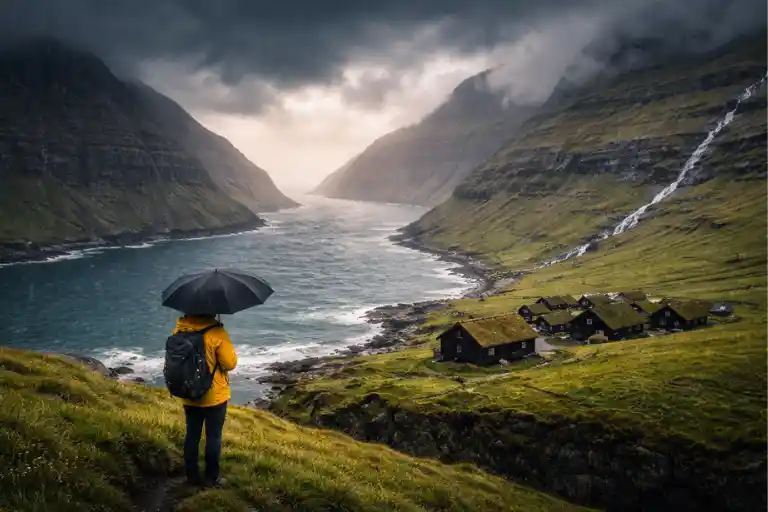
The weather in the Faroe Islands can change very quickly. You might see sun, rain, and fog all in one day. This is why packing waterproof clothing is essential for planning any trip to the Faroe Islands.
Remote island challenges
This destination is beautiful but remote. Shops, restaurants, and services can be limited, especially in smaller villages. Planning ahead is important, especially for food and transportation.
Travel expectations
If you expect luxury resorts or busy nightlife, this is not the place. The Faroe Islands travel experience is about nature, quiet moments, and slow travel. It’s perfect for those who want to disconnect and explore something unique.
Best Time to Visit the Faroe Islands
Month-by-month breakdown
- May to September: Best overall time with milder weather and longer daylight hours
- June to August: Peak season, ideal for hiking and exploring
- October to April: Fewer tourists, but colder and more unpredictable weather
Best time for good weather
The best time to visit the Faroe Islands for more stable weather is during summer (June–August). This is when roads are easier to access and outdoor activities are more enjoyable.
Best time for photography
For photographers, late spring and early autumn offer dramatic lighting, fewer crowds, and moody landscapes. These conditions make the Faroe Islands photography spots even more stunning.
Choosing the right time depends on your travel style, but for most visitors, summer is the safest and most comfortable option.
Top 10 Best Things to Do in Faroe Islands
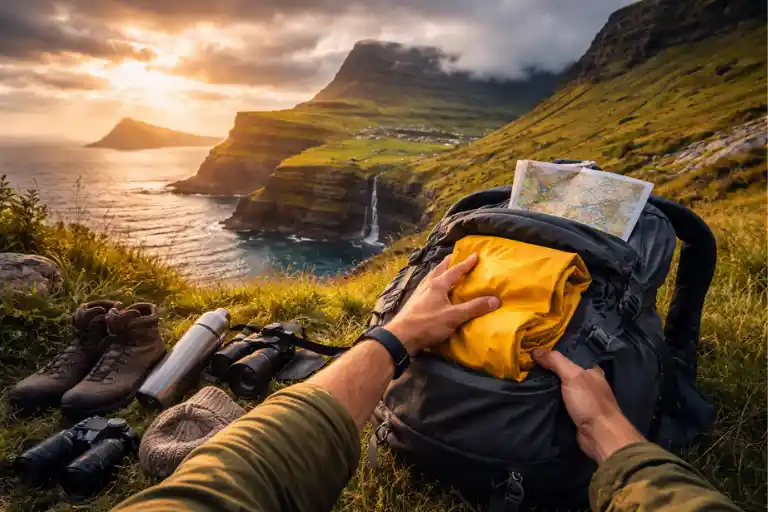
If you’re planning your trip, these are the best things to do in the Faroe Islands that should be on every itinerary. This list combines must-see attractions, scenic experiences, and unique activities to help you make the most of your visit.
Sørvágsvatn Lake
This is one of the most famous spots in the Faroe Islands travel guide. Known as the “floating lake,” it creates a stunning optical illusion. It’s also one of the best photography spots in the Faroe Islands.
Múlafossur Waterfall
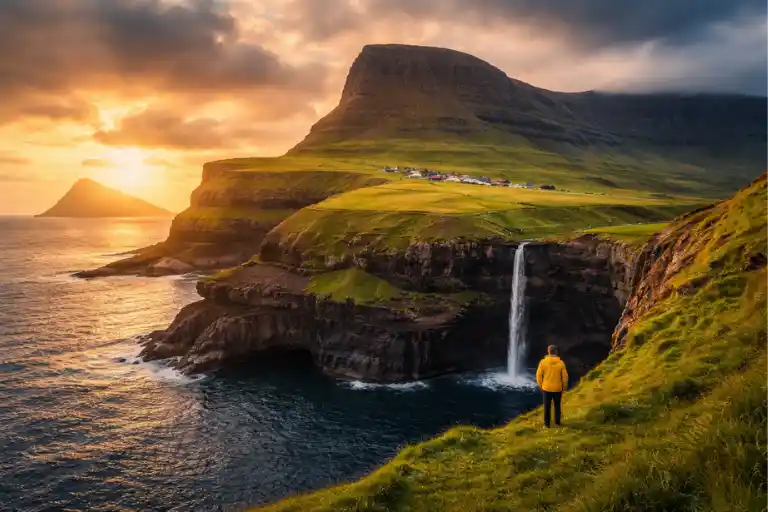
Located in Gásadalur village, this waterfall drops directly into the ocean. It’s one of the most iconic and photographed places in the Faroe Islands.
Saksun Village
A quiet village surrounded by mountains and a tidal lagoon. Perfect for those who want to experience peaceful landscapes and traditional Faroese life.
Kalsoy Island
Famous for its dramatic cliffs and the Kallur Lighthouse, this island is a must for adventurers and hikers exploring a Faroe Islands road trip itinerary.
Tórshavn Exploration
The capital city offers a mix of culture, history, and local food. It’s a great place to understand the Faroe Islands’ culture and daily life.
Gjógv Village
A small village known for its natural harbor and scenic beauty. Ideal for relaxing walks and photography.
Mykines Island
A paradise for bird lovers, especially puffins. This island offers one of the most unique wildlife experiences in the Faroe Islands..
Vestmanna Sea Cliffs
Take a boat tour to see towering cliffs and sea caves. One of the most unforgettable activities in the Faroe Islands attractions list.
Funningur Village
A hidden scenic village with stunning mountain views and a peaceful atmosphere.
Tjørnuvík Beach
A black sand beach with dramatic sea stacks. Perfect for capturing the wild beauty of the Faroe Islands’ nature.
Best Places to Visit
The best places to visit in the Faroe Islands are spread across different islands, each offering something unique. Planning your route properly can turn your trip into an unforgettable journey.
Must-See Locations
- Sørvágsvatn Lake
- Múlafossur Waterfall
- Saksun Village
- Kalsoy Island
These are the highlights you’ll see in almost every Faroe Islands itinerary.
Scenic Viewpoints
- Kallur Lighthouse (Kalsoy)
- Tjørnuvík cliffs
- Gásadalur viewpoint
These locations offer some of the most dramatic landscapes in the Faroe Islands.
Map-Style Grouping (Smart Travel Tip)
- Vágar Island: Sørvágsvatn Lake, Múlafossur
- Streymoy Island: Tórshavn, Saksun, Tjørnuvík
- Kalsoy Island: Kallur Lighthouse
Grouping places like this makes your Faroe Islands trip planning easier and more efficient.
Hidden Gems & Crowd-Free Spots
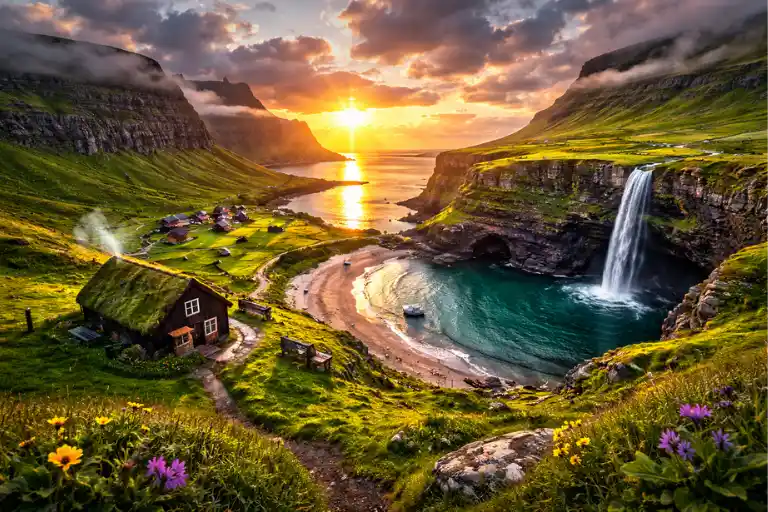
While popular spots are beautiful, the real magic of the Faroe Islands lies in its hidden corners. These places are perfect if you want to avoid crowds and explore something unique.
Secret Villages
- Funningur
- Elduvík
- Mikladalur
These villages offer authentic local life and peaceful surroundings.
Quiet Hiking Trails
- Slættaratindur hike (the highest peak)
- Viðareiði trails
- Remote coastal paths
Perfect for travelers looking for off-the-beaten-path Faroe Islands experiences.
Underrated Viewpoints
- Trælanípa cliffs (less crowded angles)
- Norðradalur valley
- Hidden coastal cliffs
These are some of the best hidden places in the Faroe Islands for photography and relaxation.
The Perfect Faroe Islands Itinerary
Planning your trip becomes much easier with a clear Faroe Islands itinerary. Here are simple, ready-to-use plans based on your travel time.
3-Day Itinerary
- Day 1: Vágar Island (Sørvágsvatn + Múlafossur)
- Day 2: Streymoy (Tórshavn + Saksun + Tjørnuvík)
- Day 3: Vestmanna cliffs or nearby villages
Best for short trips and first-time visitors.
5-Day Itinerary
- Day 1–2: Vágar highlights
- Day 3: Streymoy exploration
- Day 4: Kalsoy Island (Kallur Lighthouse)
- Day 5: Relax + hidden gems
Perfect balance of highlights + exploration.
7-Day Slow Travel Plan
- Explore multiple islands at a relaxed pace
- Add Mykines Island for wildlife
- Discover hidden villages and hiking trails
Ideal for a full Faroe Islands travel guide experience.
How to Get Around the Faroe Islands
Getting around is one of the most important parts of your Faroe Islands travel guide, and planning this well can completely change your experience.
Renting a Car (Best Option)
The best way to explore is by renting a car. It gives you full freedom to visit hidden places in the Faroe Islands, stop at scenic viewpoints, and follow your own Faroe Islands itinerary. Many of the best places to visit in the Faroe Islands are spread across different islands, so having your own vehicle makes travel much easier.
Driving Tips
Driving in the Faroe Islands is generally safe but comes with a few challenges:
- Roads are narrow in some areas
- The weather can change quickly (fog, rain, wind)
- Single-lane tunnels require careful driving
Always drive slowly and be prepared for sudden weather changes. This is especially important if you’re following a Faroe Islands road trip itinerary.
Public Transport Reality
Public transport exists but is limited. Buses connect main towns, and ferries run between islands, but schedules are not always flexible. If you rely only on buses, you may miss many Faroe Islands attractions and scenic spots.
Where to Stay in the Faroe Islands
Choosing the right place to stay is key for a smooth Faroe Islands trip planning experience.
Best Areas for First-Time Visitors
- Tórshavn: The capital and best base for first-time travelers. Easy access to food, transport, and nearby attractions.
- Vágar Island: Close to the airport and home to major highlights like Sørvágsvatn Lake and Múlafossur Waterfall.
- Klaksvík: A quieter option with beautiful scenery and access to northern islands.
These locations are ideal for building a practical Faroe Islands itinerary.
Budget vs Mid-Range vs Luxury
- Budget: Guesthouses, hostels, and Airbnb options
- Mid-range: Comfortable hotels and apartments
- Luxury: Boutique hotels with scenic views and premium experiences
Accommodation can fill up quickly, especially in summer, so early booking is important in any Faroe Islands travel guide.
How Expensive Is Faroe Islands?
The travel cost in the Faroe Islands is one of the biggest concerns for travelers. It is considered an expensive destination, but with proper planning, you can manage your budget.
Real Cost Breakdown
- Accommodation: High, especially in peak season
- Food: Restaurants are expensive; groceries are more affordable
- Transport: Car rental adds cost but saves time
- Flights: Can vary depending on season and location
Overall, the Faroe Islands price guide shows higher costs compared to most European destinations.
Daily Budget Estimate
- Budget traveler: Moderate spending with shared stays and basic meals
- Mid-range traveler: Comfortable hotels, car rental, regular dining
- Luxury traveler: High-end stays, fine dining, premium experiences
Understanding your travel style helps you plan a realistic Faroe Islands budget travel guide.
Money-Saving Tips
- Book flights and hotels early
- Stay in apartments and cook your own meals
- Travel in shoulder seasons (spring or autumn)
- Share car rental costs if traveling in a group
With the right strategy, you can enjoy the Faroe Islands travel experience without overspending.
What Most Travel Guides Don’t Tell You
Most articles highlight the beauty of the Faroe Islands, but there are a few realities that many travelers only discover after arriving. Knowing these can help you plan a smarter Faroe Islands travel guide experience.
Weather Changes Fast
The weather here is unpredictable. You can experience sun, rain, wind, and fog within a few hours. This can affect your Faroe Islands itinerary, especially if you’re planning hikes or visiting viewpoints. Always stay flexible and have backup plans.
Limited Food Options
Outside of Tórshavn, restaurants can be limited, and opening hours are not always consistent. If you’re exploring remote areas, it’s a good idea to carry snacks or plan meals in advance. This is something many Faroe Islands travel tips for first-time visitors often overlook.
Isolation Feeling
The Faroe Islands travel experience is peaceful, but it can also feel isolated. Small villages, quiet roads, and minimal crowds are part of the charm—but not everyone enjoys that. If you prefer busy cities, this destination may feel too slow.
What to Pack for the Faroe Islands
Packing correctly is essential for a smooth and comfortable trip. The right gear can make a big difference in your Faroe Islands trip planning.
Waterproof Gear
- Waterproof jacket
- Rain pants
- Durable shoes
Since the weather changes quickly, waterproof clothing is a must in any Faroe Islands travel guide.
Hiking Essentials
- Good hiking boots
- Backpack
- Extra layers
Many of the best things to do in the Faroe Islands involve walking or hiking, so being prepared is important.
Travel Basics
- Power adapter
- Reusable water bottle
- Snacks for long drives
These small items can improve your overall Faroe Islands travel experience.
Travel Tips for First-Time Visitors
If this is your first time visiting, these tips will help you plan a better and more enjoyable trip.
Booking Tips
- Book accommodation early, especially in summer
- Reserve your rental car in advance
- Choose flexible bookings when possible
This is important for a smooth Faroe Islands travel guide plan.
Best Planning Strategy
- Group nearby locations together
- Allow extra time for weather delays
- Keep your Faroe Islands itinerary flexible
Smart planning helps you cover more places without stress.
Safety Tips
- Always check weather conditions before heading out
- Be careful on cliffs and hiking trails
- Follow local guidelines and signs
The Faroe Islands are safe, but nature can be unpredictable.
Common Mistakes to Avoid
Avoiding these mistakes can save you time, money, and frustration during your trip.
Not Renting a Car
Relying only on public transport limits your experience. Many Faroe Islands attractions are easier to reach by car.
Poor Itinerary Planning
Trying to visit too many places in one day can be stressful. A well-structured Faroe Islands itinerary makes your trip smoother and more enjoyable.
Underestimating Costs
The travel costs in the Faroe Islands can be higher than expected. Not planning your budget properly can affect your overall experience.
By avoiding these common mistakes, you can enjoy a more relaxed and well-organized Faroe Islands travel guide experience.
Photography & Scenic Spots
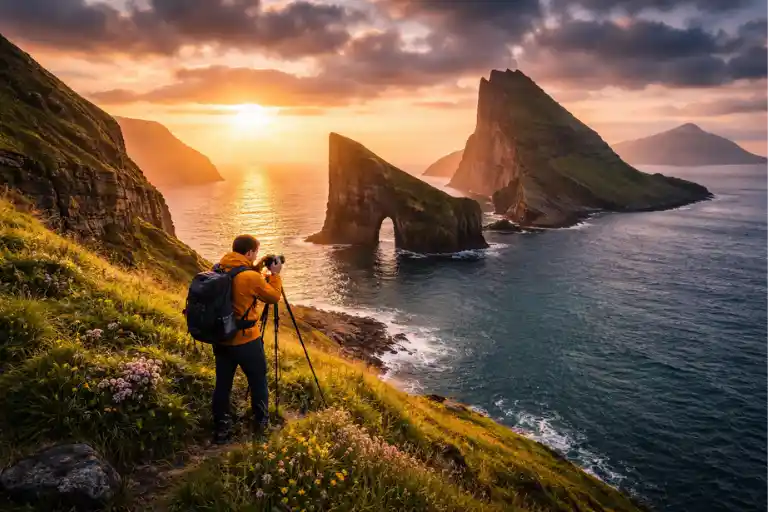
The Faroe Islands are one of the best destinations in the world for landscape photography. Every corner offers dramatic views, making it a dream location for anyone interested in Faroe Islands photography spots.
Best Viewpoints
- Kallur Lighthouse (Kalsoy Island) – One of the most iconic cliff views
- Trælanípa cliffs – Perfect angle for Sørvágsvatn Lake
- Gásadalur viewpoint – Best view of Múlafossur Waterfall
These are some of the best places to visit in the Faroe Islands for unforgettable scenery.
Golden Hour Locations
- Tjørnuvík Beach during sunset
- Saksun Village in early morning light
- Norðradalur valley at sunset
Soft light during these times makes the Faroe Islands nature look even more dramatic.
Instagram-Worthy Places
- Sørvágsvatn Lake (floating lake illusion)
- Múlafossur Waterfall
- Colorful houses in Tórshavn
These locations are among the top Faroe Islands Instagram spots and are perfect for capturing unique travel moments.
Is the Faroe Islands Safe?
Safety is not a major concern when visiting the Faroe Islands, making it a great destination for all types of travelers.
Safety Overview
The islands have very low crime rates. Locals are friendly, and the environment is peaceful. However, natural conditions like cliffs, strong winds, and changing weather require caution. Always stay on marked paths and follow safety signs during your Faroe Islands trip planning.
Solo Travel Insights
The Faroe Islands are considered safe for solo travelers, including solo female travelers. The quiet atmosphere and helpful locals make it easy to travel independently. Just plan your routes carefully, especially if you are exploring remote areas.
FAQs About the Faroe Islands Travel Guide
How many days are enough?
Most travelers spend 3 to 5 days in the Faroe Islands. This allows you to cover the main highlights and follow a basic Faroe Islands itinerary. If you want a slower pace, 7 days is ideal.
Is the Faroe Islands expensive?
Yes, the travel cost in the Faroe Islands is relatively high. Accommodation, food, and transport can be expensive, but proper planning can help you manage your budget for the Faroe Islands.
Can you travel without a car?
It is possible, but not ideal. Public transport is limited, and many of the Faroe Islands’ attractions are easier to reach by car. Renting a car gives you more flexibility.
Do you need a visa?
Visa requirements depend on your nationality. Many travelers can visit without a visa for short stays, but always check before your trip.
Final Thoughts
The Faroe Islands travel guide experience is unlike any other destination. From dramatic cliffs and waterfalls to peaceful villages and scenic drives, it offers something truly unique.
If you love nature, adventure, and quiet places, this destination is worth exploring. With the right Faroe Islands itinerary, proper planning, and realistic expectations, you can enjoy an unforgettable journey.
Start simple — plan a 3 to 5 day Faroe Islands itinerary, book your stay early, and prepare for changing weather. Once you arrive, take your time, explore freely, and enjoy the beauty of one of the most unique places in the world.