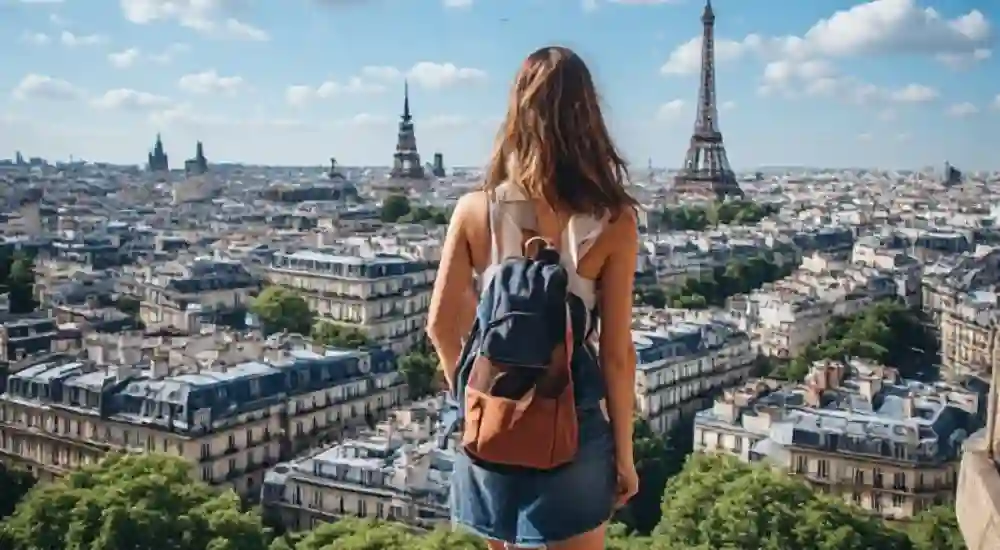

Paris is one of those cities that feels special before you even arrive. From the Eiffel Tower and the Louvre Museum to cozy cafés, pretty streets, and evening walks along the Seine, every corner has something memorable. This Paris travel guide is made for first-time visitors who want a simple, clear, and useful plan.
Inside this Paris guide for first-time visitors, you will find the best things to do in Paris, where to stay, what to eat, how to get around, and how many days you really need. It also includes helpful Paris travel tips, itinerary ideas, budget advice, safety tips, and booking guidance.
Whether you are planning a romantic trip, a family vacation, or your first Europe adventure, this complete Paris travel guide will help you enjoy the city with more confidence and less stress.
Quick Paris Travel Guide Summary
Best For First-Time Visitors
This Paris travel guide 2026 is best for travelers who want a clear and easy plan. Paris is perfect for couples, families, solo travelers, food lovers, museum fans, and first-time Europe visitors. You can enjoy famous places like the Eiffel Tower, Louvre Museum, Notre-Dame, and Montmartre, but the real beauty of Paris is also in its cafés, gardens, streets, and quiet corners.
Quick Planning Facts
For most visitors, 3 to 5 days in Paris is ideal. Stay in Le Marais, Saint-Germain-des-Prés, the Latin Quarter, or the 7th arrondissement for easy sightseeing. The best way to get around Paris is by Metro, walking, and RER trains. Book major attractions early, especially the Eiffel Tower, Louvre, Sainte-Chapelle, Versailles, and Seine River cruises.
Why Visit Paris
Paris Is More Than The Eiffel Tower
Paris is famous for the Eiffel Tower, but the city offers much more than one landmark. You can walk beside the Seine, enjoy fresh pastries from a bakery, explore world-class museums, shop in stylish streets, and relax in peaceful gardens. Every neighborhood has its own feeling, from elegant Saint-Germain to artistic Montmartre.
Who This Paris Guide Is Best For
This complete Paris travel guide is made for people who want simple help before writing their itinerary. It works for first-time visitors, couples, families, budget travelers, luxury travelers, and slow travelers. Whether you want museums, food, shopping, romance, or hidden gems, Paris gives you many ways to enjoy your trip.
Best Time To Visit Paris
Spring And Fall In Paris
The best time to visit Paris is usually spring or fall. April, May, September, and October bring pleasant weather, pretty streets, and easier walking days. Spring is lovely for flowers and gardens, while fall feels cozy with cafés, museums, and golden leaves.
Summer And Winter In Paris
Summer has long days, outdoor dining, and lively streets, but it can also be crowded and expensive. Winter is colder, but it is a good time for museums, shopping, Christmas lights, and warm cafés. If you want fewer crowds, avoid peak summer and major holidays. For most first-time visitors, spring and fall offer the best balance of weather, prices, and atmosphere.
How Many Days Do You Need In Paris
Is 3 Days Enough In Paris?
If you are asking how many days do you need in Paris, the best answer is 3 to 4 days for a first trip. Three days gives you time to see the Eiffel Tower, Louvre, Notre-Dame area, Montmartre, and a few beautiful neighborhoods without rushing too much.
When To Stay Longer
Four or five days is better if you want a slower trip. You can add Musée d’Orsay, Luxembourg Gardens, Le Marais, shopping, cafés, and a day trip to Versailles. One week in Paris is ideal for slow travelers who want hidden gems, food tours, local markets, and relaxed mornings.
Best Things To Do In Paris

Classic Paris Attractions
The best things to do in Paris start with the Eiffel Tower, Louvre Museum, Notre-Dame, Sainte-Chapelle, Arc de Triomphe, and Sacré-Cœur. These famous places are popular for a reason. They show the history, beauty, and romance that make Paris special.
Must-See Places In Paris
Visit Musée d’Orsay for Impressionist art, walk through Montmartre for village charm, and relax in Luxembourg Gardens for a peaceful break. Take a Seine River cruise at sunset or after dark for one of the most memorable views of the city. For first-time visitors, mix big attractions with slow walks, cafés, and neighborhood time. That balance makes your Paris itinerary feel more natural.
Hidden Gems And Non-Touristy Things To Do In Paris
Quiet Places To Explore
Paris has many hidden gems beyond the main tourist spots. Walk through the covered passages like Galerie Vivienne and Passage Jouffroy for old-world charm, small shops, and rainy-day beauty. Visit Canal Saint-Martin for trendy cafés, casual food, and a more local feeling.
Local Paris Experiences
For a quieter side of the city, visit Parc des Buttes-Chaumont, Musée Carnavalet, Musée Rodin, or the small streets around Le Marais. Rue Crémieux is colorful and pretty, but visit respectfully because people live there. These non-touristy things to do in Paris help your trip feel more personal and less crowded.
Paris Itinerary Ideas
1 To 3 Days In Paris
For 1 day in Paris, focus on the Eiffel Tower, Seine, Louvre exterior, Notre-Dame area, and Montmartre or an evening cruise. For 2 days in Paris, add Sainte-Chapelle, Le Marais, Arc de Triomphe, and more time along the river.
4 To 5 Days In Paris
A 3 days in Paris itinerary should include the Louvre, Musée d’Orsay, Saint-Germain, Luxembourg Gardens, and Montmartre. With 4 or 5 days, add Versailles, covered passages, Canal Saint-Martin, shopping, or a food tour. The best Paris itinerary is not packed every hour. Leave time to wander, sit at cafés, and enjoy small moments.
Where To Stay In Paris
Best Areas For First-Time Visitors
If you are wondering where to stay in Paris for first time visitors, choose a central and walkable area. Le Marais is great for food, shopping, nightlife, and easy access to many sights. Saint-Germain-des-Prés is perfect for classic cafés, romance, and a polished Paris feel.
Best Areas By Travel Style
The Latin Quarter is good for history, students, bookshops, and slightly better prices. The 7th arrondissement is best for Eiffel Tower views and quiet family stays. The 1st arrondissement is very central but often expensive. For a good mix of transport, shopping, and hotels, the Opéra and 9th arrondissement can work well.
Paris Neighborhood Guide
Central Neighborhoods
Each Paris neighborhood feels different. Le Marais is lively, stylish, and full of boutiques, cafés, museums, and food spots. Saint-Germain-des-Prés feels elegant and classic, with historic cafés, galleries, and pretty streets. The Latin Quarter has student energy, old bookshops, budget food, and easy access to Notre-Dame.
Scenic And Local Areas
Montmartre is romantic and artistic, with cobbled streets and views from Sacré-Cœur. The 7th arrondissement is quieter and close to the Eiffel Tower. Canal Saint-Martin is better for travelers who want local cafés and a younger atmosphere. Choosing the right area can make your Paris trip much easier.
Where To Eat In Paris

Classic French Foods To Try
A good Paris food guide should include more than fancy restaurants. Try a fresh croissant, baguette, crêpe, macaron, onion soup, steak frites, cheese, wine, éclairs, and hot chocolate. Paris is also perfect for simple meals from bakeries, markets, and casual cafés.
Best Food Areas
For food, explore Le Marais, Saint-Germain, Montmartre, the Latin Quarter, and Canal Saint-Martin. Book popular restaurants early, especially for dinner. For budget meals, look for bakery lunches, crêpe stands, lunch menus, and picnic supplies from local markets. Always say bonjour when entering a café or shop. It makes the experience warmer and more polite.
Paris Shopping Guide
Best Places To Shop
Paris is one of the best shopping cities in the world. For department stores, visit Galeries Lafayette, Printemps, Le Bon Marché, and Samaritaine. These places are good for fashion, beauty, gifts, and beautiful interiors. Galeries Lafayette also has a famous rooftop view.
Best Souvenirs From Paris
For boutique shopping, explore Le Marais, Saint-Germain, Rue Saint-Honoré, and Canal Saint-Martin. Good Paris souvenirs include French skincare, perfume, chocolate, tea, books, art prints, scarves, gourmet food, and small home items. Avoid buying all your gifts near major landmarks because prices can be higher and quality may be weaker.
How To Get Around Paris
Paris Metro Guide
The easiest way to get around Paris is by Metro and walking. The Metro is fast, useful, and connects most major attractions. For longer routes, use the RER train, especially for CDG Airport, Versailles, and Disneyland Paris. A Navigo Easy Pass or phone ticket can make transport simpler.
Walking, Taxis, And Buses
Paris is a great walking city, so plan your days by neighborhood. Use taxis or ride shares when you have heavy luggage, arrive late, or travel with kids. Buses are slower but scenic. Avoid using taxis for every trip because traffic can waste time and money.
Getting From The Airport To Paris
CDG Airport To Paris
From Charles de Gaulle Airport, many visitors use the RER B train because it connects the airport with central Paris. It is usually cheaper than a taxi and works well if your hotel is near a good connection. A taxi or private transfer is easier if you have lots of luggage.

Orly Airport To Paris
From Orly Airport, use the train and Metro connection, taxi, or transfer depending on your budget and arrival time. For families and first-time visitors, a taxi can be less stressful. For budget travelers, public transport is usually the better choice.
Paris Tickets, Passes, And Reservations
What To Book In Advance
Some Paris attractions should be booked early. Reserve the Eiffel Tower, Louvre Museum, Sainte-Chapelle, Versailles, Seine River cruise, and popular food tours before your trip if possible. This helps you avoid long lines and sold-out time slots.
Paris Museum Pass And Official Booking Tips
The Paris Museum Pass can be worth it if you plan to visit several paid museums in a short time. It may not be worth it if you prefer slow travel. Always book through official websites or trusted platforms. Be careful with fake “skip-the-line” tickets and unofficial sellers. For Notre-Dame, use the official free reservation system when available.
Paris Budget Guide
How Expensive Is Paris?
Paris can be expensive, but you can control your costs. A budget traveler can save money with hostels, bakeries, free attractions, walking routes, and public transport. A mid-range traveler may spend more on boutique hotels, museums, casual restaurants, and one or two tours.
How To Save Money In Paris
Luxury travelers will find palace hotels, fine dining, private guides, and designer shopping. To save money, eat bakery breakfasts, choose lunch menus, picnic in parks, walk more, and buy passes only when they truly fit your plan. Many beautiful Paris experiences, like river walks and garden visits, are free.
Free Things To Do In Paris
Free Views And Walks
Some of the best Paris moments cost nothing. Enjoy free views from Trocadéro, Sacré-Cœur steps, Galeries Lafayette rooftop, and Seine bridges. Walk through Le Marais, Montmartre, the Latin Quarter, and the riverbanks for classic Paris scenery.
Free Parks And Architecture
Relax in Luxembourg Gardens, Tuileries Garden, Place des Vosges, and Jardin du Palais Royal. You can also enjoy many churches, historic streets, and beautiful buildings from the outside. Free things to do in Paris are perfect for budget travelers and for anyone who wants a slower, more local experience.
Rainy Day Paris Guide
Best Indoor Attractions
Rain does not ruin a Paris trip. It can make the city feel even more romantic if you plan well. Visit indoor attractions like the Louvre, Musée d’Orsay, Musée de l’Orangerie, Palais Garnier, and Musée Rodin. These are perfect for wet or cold days.
Cozy Rainy Day Ideas
Covered passages like Galerie Vivienne and Passage Jouffroy are also great when the weather is bad. You can shop, take photos, and stop for coffee. Other rainy-day ideas include a pastry tour, cooking class, wine tasting, tea room visit, or a slow afternoon in a cozy café.
Paris Safety Tips
Is Paris Safe For Tourists?
Paris is generally safe for tourists, but you should stay alert in busy areas. Pickpockets can target visitors near the Eiffel Tower, Louvre, Sacré-Cœur, Gare du Nord, and crowded Metro stations. Keep your phone, wallet, and passport secure.
Common Tourist Scams
Watch out for fake petitions, friendship bracelet scams, unofficial ticket sellers, and taxi overcharging. Use a crossbody bag, do not keep everything in one pocket, and avoid carrying too much cash. Paris safety is mostly about awareness, not fear. With simple care, most visitors enjoy the city without problems.
Paris Travel Mistakes To Avoid
Planning Mistakes
One of the biggest Paris travel mistakes is trying to do too much. Paris is better when you leave time to walk, rest, and enjoy cafés. Do not plan three big museums in one day, and always check opening days before you go.
Booking And Food Mistakes
Another mistake is staying too far from the center just to save a little money. You may lose time and energy on transport. Also avoid eating only beside major landmarks, where food can be overpriced. Book key attractions early, choose passes carefully, and wear comfortable shoes every day.
Accessibility And Special Travel Needs In Paris

Paris With Limited Mobility Or Kids
Paris is beautiful, but it can be challenging for travelers with limited mobility. Some Metro stations have stairs, older streets have cobblestones, and not every route is step-free. Major museums often offer better access, so check details before visiting. Families should bring a compact stroller if needed.
Paris For Solo Travelers And Couples
Solo travelers can enjoy museums, food tours, cafés, and central neighborhoods like Le Marais or Saint-Germain. Couples will love sunset river walks, Montmartre, Seine cruises, and romantic viewpoints. Paris can fit many travel styles if you plan around your needs.
Best Day Trips From Paris
Classic Day Trips
The most popular day trip from Paris is Versailles, known for its palace, gardens, and royal history. Giverny is lovely for Monet fans, especially in spring and summer. Disneyland Paris is best for families and Disney lovers.
Longer Day Trip Ideas
If you have more time, consider the Loire Valley for castles, Normandy for history, or Mont Saint-Michel for dramatic scenery. Day trips are best when you have at least 4 or 5 days in Paris. For a short trip, focus on the city first before adding extra travel.
What To Pack For Paris
Year-Round Essentials
The most important thing to pack for Paris is comfortable walking shoes. You will walk more than you expect. Also bring light layers, a small secure bag, a plug adapter, a refillable water bottle, and clothes that feel neat but comfortable.
Seasonal Packing Tips
For spring and fall, pack a jacket and umbrella. For summer, bring breathable clothes, sunglasses, and sun protection. For winter, bring a warm coat, scarf, gloves, and waterproof shoes. Paris style is usually simple and polished, so neutral outfits work well for sightseeing, cafés, and dinners.
Paris Travel Tips For First-Time Visitors
Simple Tips That Help
Learn a few French words before your trip. A simple bonjour, merci, and s’il vous plaît can make daily interactions nicer. Plan your days by neighborhood instead of crossing the city many times. This saves time and energy.
Smart Planning Advice
Check museum closing days, reserve popular restaurants, and book major attractions early. Do not fill every hour of your schedule. Some of the best Paris memories happen while walking with no strict plan. Use public transport, keep a backup rainy-day idea, and stay flexible when the city feels busy.

FAQs About Visiting Paris
How Many Days Do You Need In Paris?
Most first-time visitors need 3 to 4 days in Paris. This gives enough time for major attractions, neighborhoods, food, museums, and a few slower moments.
What Is The Best Area To Stay In Paris?
For first-timers, Le Marais, Saint-Germain-des-Prés, Latin Quarter, and the 7th arrondissement are great choices.
Is Paris Expensive?
Yes, Paris can be expensive, but budget travel is possible with bakeries, public transport, free sights, and smart hotel choices.
Is Paris Safe?
Paris is generally safe, but watch for pickpockets and tourist scams in crowded areas.
Final Thoughts
Final Paris Travel Advice
Paris is best when you balance famous landmarks with simple local moments. See the Eiffel Tower, visit the Louvre, explore Montmartre, and walk beside the Seine, but also leave time for cafés, bakeries, gardens, and quiet streets.
This Paris travel guide for first-time visitors gives you a strong base, but your best memories may come from the unplanned parts of the trip. Keep your itinerary clear, book the most important attractions early, stay in a good area, and enjoy the city slowly. Paris is not only a place to see. It is a place to feel.