
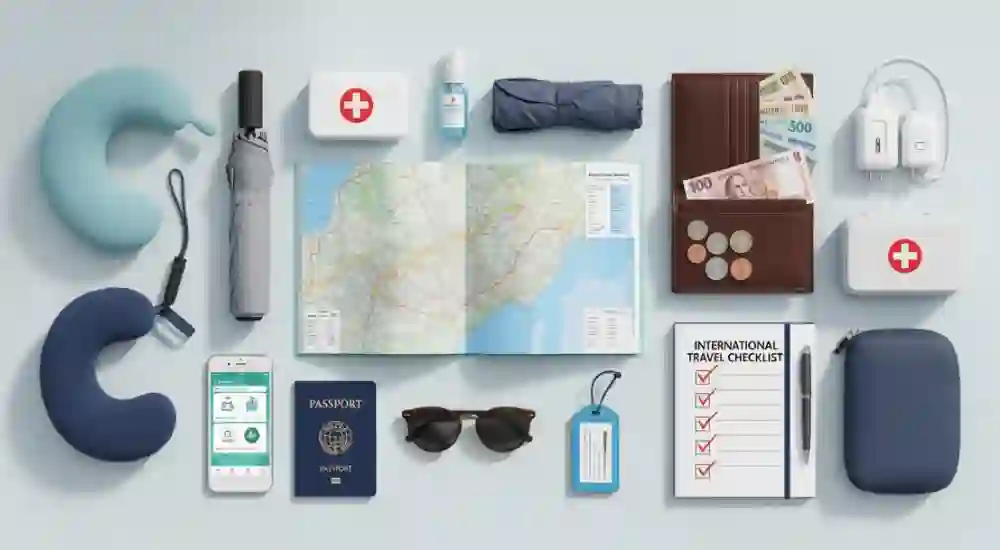
Planning a trip abroad is exciting, but it also comes with many details to manage. From checking your passport and visa requirements to organizing a complete international travel checklist, there are several important steps to complete before departure. Missing even one small item can lead to unnecessary stress, delays, or extra expenses during your journey.
Whether you’re preparing for your first overseas adventure or you’re a frequent traveler, having a clear travel abroad checklist can make the entire process easier. This guide covers everything you need to know, including travel documents, packing essentials, health preparations, financial planning, and safety tips. By following this complete international trip checklist, you’ll know exactly what to do before traveling internationally and feel confident that you’re fully prepared for a smooth and enjoyable journey.
Quick International Travel Checklist
Before traveling abroad, make sure you have completed the most important tasks on your international travel checklist. This quick overview can help you avoid common mistakes and ensure a smooth trip from departure to arrival.
Essential Documents
Valid passport with at least six months of validity
Required visa for your destination
Flight tickets and boarding passes
Hotel and accommodation confirmations
Travel insurance documents
Vaccination or health certificates if required
Copies of important travel documents
Emergency contact information
Money & Payments
Credit and debit cards enabled for international use
Local currency or foreign cash
Travel budget and emergency funds
Mobile payment apps or digital wallets
Bank notification for overseas travel
Health & Safety
Prescription medications
Basic first-aid supplies
Travel vaccinations if required
Emergency medical information
Travel advisory and safety updates
Packing Essentials
Weather-appropriate clothing
Toiletries and personal care items
Comfortable footwear
Travel accessories and luggage tags
Carry-on essentials
Technology Checklist
Smartphone and chargers
Travel adapter
Portable power bank
International SIM card or eSIM
Offline maps and travel apps
Travel Documents Checklist
Having the correct travel documents checklist is one of the most important parts of preparing for international travel. Missing a single document can cause delays, denied boarding, or problems at immigration. Before your departure date, review every document carefully and store both physical and digital copies for easy access.
Passport Requirements
Your passport is the most important document for international travel. Many countries require your passport to remain valid for at least six months beyond your planned return date. Check the expiration date well before your trip and renew it if necessary.
It is also a good idea to make digital and printed copies of your passport. Keeping backup copies can help speed up the replacement process if your passport is lost or stolen while traveling abroad.
Visa Requirements
Visa requirements vary depending on your nationality and destination. Some countries offer visa-free entry, while others require travelers to apply for a visa before arrival.
As part of your international travel planning checklist, verify entry requirements through official government sources. Applying early can help prevent unexpected delays that could affect your travel plans.
Flight Tickets and Boarding Passes
Keep your flight reservations and boarding passes organized and easily accessible. Most airlines now offer digital boarding passes through their mobile apps, but having a printed copy can be useful if internet access becomes limited.
Double-check flight times, airport terminals, baggage policies, and check-in requirements before traveling internationally.
Hotel and Accommodation Confirmations
Many immigration officers may ask travelers to provide proof of accommodation upon arrival. Keep copies of hotel bookings, vacation rentals, or host contact information readily available.
Saving accommodation details on your phone and carrying a printed backup can make the arrival process smoother.
Travel Insurance Documents
Travel insurance can protect you from unexpected situations such as medical emergencies, trip cancellations, lost luggage, or travel delays.
Before departure, review your policy details carefully and save emergency contact numbers. Carry both digital and printed copies of your insurance documents whenever possible.
Vaccination and Health Certificates
Some destinations require proof of specific vaccinations or health certificates before entry. Requirements may vary based on your destination and recent travel history.
Check official entry regulations early and ensure all required health records are updated before your departure date.
International Driving Permit
If you plan to rent a vehicle abroad, you may need an International Driving Permit (IDP) in addition to your regular driver’s license.
Research local driving regulations before your trip. Having the proper documentation can help you avoid legal issues and make renting a vehicle much easier.
Emergency Contact Information
Every international trip checklist should include a list of emergency contacts. Save important phone numbers for family members, your accommodation, travel insurance provider, local emergency services, and your country’s embassy or consulate.
Store this information both digitally and on paper in case your phone battery dies or internet access becomes unavailable.
Research Your Destination Before You Leave

One of the most overlooked parts of a complete travel abroad checklist is destination research. Understanding local rules, customs, transportation systems, and payment methods can help you avoid confusion and enjoy a more comfortable travel experience.
Entry Requirements
Countries regularly update their entry requirements, including visa policies, passport rules, and health regulations.
Review the latest travel requirements before departure and make sure all necessary documents are prepared in advance.
Local Laws and Customs
Every country has unique cultural expectations and legal regulations. Actions that seem normal at home may be considered inappropriate or even illegal elsewhere.
Learning basic customs, dress expectations, tipping practices, and social etiquette can help travelers show respect and avoid misunderstandings.
Weather Conditions
Checking weather forecasts before packing can prevent unnecessary luggage and ensure you bring the right clothing.
Research seasonal conditions, rainfall patterns, and temperature ranges so your international travel packing list matches your destination’s climate.
Currency and Payment Methods
Understanding local payment methods can help you avoid financial surprises during your trip.
Find out whether credit cards are widely accepted, where to exchange currency, and what ATM fees may apply. This simple step can make managing your travel budget much easier.
Transportation Options
Research transportation choices before arriving at your destination. Learn how local buses, trains, taxis, rideshare services, and airport transfers work.
Knowing your transportation options in advance can save time, reduce stress, and help you navigate a new destination with confidence.
Health and Medical Preparation Checklist
Good health preparation is an important part of any international travel checklist. Medical issues can happen unexpectedly, especially when traveling to a new country. Taking a few simple steps before departure can help you stay safe, avoid unnecessary stress, and enjoy your trip with confidence.
Required Vaccinations
Some countries require travelers to show proof of specific vaccinations before entry. Depending on your destination, you may need vaccinations for diseases such as yellow fever or other regional health concerns.
As part of your travel preparation checklist, review official health requirements well in advance. Scheduling vaccinations early gives your body enough time to build protection before your trip.
Prescription Medications
If you take prescription medications regularly, make sure you bring enough to last your entire journey. It is wise to pack a few extra days’ supply in case of travel delays.
Keep medications in their original containers and carry copies of prescriptions if needed. Some countries have restrictions on certain medicines, so checking local regulations before traveling internationally is always a smart idea.
Travel Health Insurance
Medical treatment abroad can be expensive. A reliable travel health insurance policy can help cover emergency medical care, hospital visits, and unexpected health-related expenses.
Before departure, review your coverage limits, emergency assistance services, and claim procedures. Save important policy information on both your phone and a printed document.
First-Aid Supplies
A basic first-aid kit can help you handle minor injuries and common travel discomforts.
Consider packing:
- Bandages
- Pain relievers
- Antiseptic wipes
- Motion sickness medication
- Allergy medicine
- Cold and flu remedies
Having these essentials available can save time and money during your trip abroad.
Medical Emergency Planning
Every international trip checklist should include a simple emergency plan. Research nearby hospitals, emergency phone numbers, and healthcare facilities at your destination before you leave.
It is also helpful to share your itinerary with a trusted family member or friend. If an emergency occurs, they will know where you are and how to contact you.
Financial Preparation Checklist

Proper financial planning can make your international travel experience much smoother. Preparing your money, payment methods, and emergency funds ahead of time helps reduce stress and prevents unexpected financial problems while traveling abroad.
Notify Your Bank
One of the easiest items to overlook on a travel abroad checklist is informing your bank about upcoming travel plans.
Unexpected international transactions can trigger fraud alerts and temporarily block your cards. Letting your bank know where and when you will be traveling helps avoid disruptions while making purchases overseas.
Foreign Currency Planning
Although many destinations accept card payments, having some local currency is still important.
Research exchange rates, ATM availability, and local payment preferences before departure. Carrying a small amount of cash can be useful for transportation, tips, small purchases, and emergencies.
Credit and Debit Cards
Bring at least two payment cards when traveling internationally. Having a backup card can be extremely helpful if one card becomes lost, damaged, or declined.
Check:
- International transaction fees
- Daily withdrawal limits
- Foreign exchange charges
- Contactless payment options
Using multiple payment methods provides extra flexibility during your trip.
Digital Wallet Setup
Digital wallets are becoming increasingly popular around the world and are often overlooked in many travel guides.
Before your departure date:
- Set up Apple Pay, Google Pay, or similar services
- Verify card connections
- Enable mobile security features
- Save emergency payment options
Using a digital wallet can provide a fast and secure way to make purchases while traveling abroad.
Emergency Backup Funds
Even the best international travel planning checklist should prepare for unexpected situations.
Consider keeping emergency funds in different forms:
- Backup credit card
- Small amount of local cash
- Separate emergency savings account
- Secure digital payment method
Diversifying your funds can help you handle lost wallets, card issues, or unexpected travel expenses.
International Travel Packing Checklist
Packing efficiently is one of the most important parts of an international travel packing checklist. The goal is to bring everything you need without overpacking. A well-organized suitcase can make traveling more comfortable and help you avoid extra baggage fees.
Clothing Essentials
Pack clothing that matches your destination, travel activities, and expected weather conditions.
Basic clothing essentials may include:
- Shirts and tops
- Comfortable pants or shorts
- Undergarments
- Sleepwear
- Light jacket
- Comfortable walking shoes
Choose versatile clothing items that can be mixed and matched to save luggage space.
Toiletries
Many toiletries can be purchased at your destination, but bringing your personal essentials is often more convenient.
Common items include:
- Toothbrush and toothpaste
- Shampoo and conditioner
- Deodorant
- Sunscreen
- Moisturizer
- Personal hygiene products
Remember to follow airline liquid restrictions when packing carry-on luggage.
Travel Accessories
Small accessories can greatly improve your travel experience.
Consider packing:
- Luggage tags
- Neck pillow
- Reusable water bottle
- Travel lock
- Eye mask
- Travel organizer
These items take up little space but can add extra convenience throughout your trip.
Electronics
Technology plays a major role in modern travel. Make sure all important devices are packed and fully functional before departure.
Common travel electronics include:
- Smartphone
- Tablet or laptop
- Camera
- Headphones
- Smartwatch
- Portable power bank
Backing up important files before departure is also recommended.
Weather-Specific Packing Tips
Always review the weather forecast before finalizing your packing list.
For colder destinations, bring:
- Thermal clothing
- Gloves
- Warm jacket
- Waterproof footwear
For warmer destinations, prioritize:
- Lightweight clothing
- Sun protection
- Breathable fabrics
- Sunglasses
Tailoring your international travel essentials to local weather conditions helps ensure a more comfortable trip.
Carry-On Bag Checklist

Your carry-on bag should contain the most important items you may need during your flight and immediately after arrival. If checked luggage is delayed or lost, your carry-on essentials can help you manage comfortably until your belongings arrive.
Travel Documents
Always keep essential documents in your carry-on bag.
These include:
- Passport
- Visa documents
- Boarding passes
- Travel insurance information
- Hotel confirmations
- Emergency contacts
Keeping these items easily accessible can speed up airport and immigration procedures.
Medication
Never place critical medications in checked luggage.
Keep prescription medications, medical devices, and any important health documents with you throughout your journey.
This simple step can prevent major problems if baggage is delayed.
Electronics
Valuable electronics should remain in your carry-on whenever possible.
Include:
- Smartphone
- Laptop or tablet
- Camera
- Headphones
- eReader
Protect devices with padded cases to reduce the risk of damage during travel.
Chargers and Power Banks
A dead battery can create unnecessary stress while navigating airports and unfamiliar destinations.
Pack:
- Phone charger
- Laptop charger
- Travel adapter
- Power bank
- Charging cables
Having backup charging options helps keep your devices ready whenever needed.
Snacks and Comfort Items
Long international flights can be tiring. Packing a few comfort items can improve the overall travel experience.
Useful items include:
- Healthy snacks
- Reusable water bottle
- Neck pillow
- Eye mask
- Light sweater
- Lip balm
These small additions can make your flight much more comfortable, especially on long-haul journeys.
Technology and Connectivity Checklist
Staying connected is an important part of modern travel. Whether you need directions, translation tools, online bookings, or emergency assistance, having reliable internet access can make your trip much easier. Adding technology preparation to your international travel checklist helps you avoid connectivity issues after arrival.
eSIM vs Physical SIM Cards
Many travelers now choose an eSIM because it allows them to activate mobile service without changing physical SIM cards. eSIMs are convenient, easy to set up, and often provide affordable international data plans.
However, some devices may not support eSIM technology. In that case, purchasing a local physical SIM card after arrival may be a better option. Research both choices before your trip to determine which works best for your destination and device.
International Roaming Plans
International roaming allows you to use your current mobile number while traveling abroad. Although convenient, roaming charges can sometimes be expensive.
Before departure, contact your mobile provider to review:
- International roaming costs
- Data limits
- Call and text charges
- Travel packages
Including this step in your travel preparation checklist can help you avoid unexpected phone bills.
Offline Maps
Internet access may not always be available during your trip. Downloading offline maps before departure can help you navigate unfamiliar locations without relying on mobile data.
Popular options include:
- Google Maps Offline
- Maps.me
- City transportation maps
Offline maps are especially useful when exploring remote areas or traveling between destinations.
Travel Apps
The right travel apps can simplify many parts of international travel.
Helpful travel apps may include:
- Flight tracking apps
- Translation apps
- Currency converters
- Ride-sharing services
- Hotel booking apps
- Weather forecast apps
These tools can improve convenience and make your international trip checklist even more effective.
VPN Protection
Public Wi-Fi networks found in airports, hotels, and cafes may not always be secure.
Using a VPN (Virtual Private Network) helps protect your personal information, banking details, and online accounts while traveling. This simple security measure is often overlooked but can significantly improve your online safety abroad.
Airport Day Checklist
The day of departure can feel stressful, especially for first-time travelers. Following an organized airport day checklist can help you move through the airport smoothly and avoid last-minute problems.
Check-In Preparation
Before leaving for the airport:
- Confirm your flight status
- Complete online check-in if available
- Verify baggage allowances
- Download your boarding pass
- Prepare all travel documents
Arriving at the airport fully prepared can save time and reduce stress.
Airport Security Screening
Security screening is a standard part of international travel. Knowing the rules beforehand can help the process move more quickly.
Remember to:
- Follow liquid restrictions
- Remove electronics when required
- Keep identification ready
- Avoid prohibited items
Being prepared helps prevent delays at security checkpoints.
Immigration Procedures
International travelers typically pass through immigration before departure or after arrival.
Immigration officers may request:
- Passport
- Visa documents
- Accommodation details
- Return flight information
Keeping these documents organized in your carry-on bag can make the process much smoother.
Customs Requirements
Customs regulations vary by country. Some items may be restricted, taxed, or prohibited from entering certain destinations.
Research customs rules before departure and complete any required declarations honestly. Understanding these requirements can help you avoid fines and unnecessary complications.
Boarding Process
Boarding usually begins before the scheduled departure time.
Before boarding:
- Confirm your gate number
- Keep your boarding pass ready
- Stay aware of announcements
- Charge your devices if needed
Following these simple steps can help you start your trip without unnecessary stress.
International Travel Safety Checklist

Safety should be part of every international travel planning checklist. Taking preventive measures before and during your trip can help protect your belongings, personal information, and overall well-being.
Document Backups
Losing important documents while traveling abroad can be extremely stressful.
Create backups of:
- Passport
- Visa
- Travel insurance documents
- Flight confirmations
- Hotel reservations
Store copies both digitally and in printed form. Having backups can make replacements much easier if documents are lost or stolen.
Embassy Registration
Some governments allow travelers to register their trips before departure.
Embassy registration can help authorities contact you during emergencies, natural disasters, or unexpected travel disruptions. Although often overlooked, this step can provide additional peace of mind.
Travel Advisories
Before traveling internationally, check official travel advisories for your destination.
Travel advisories provide updates about:
- Safety concerns
- Political situations
- Weather events
- Health risks
- Local security issues
Monitoring these updates helps travelers make informed decisions throughout their journey.
Emergency Contacts
Every travel abroad checklist should include a list of emergency contacts.
Important contacts may include:
- Family members
- Travel insurance provider
- Hotel information
- Embassy or consulate
- Local emergency services
Keep this information available on both your phone and a printed card.
Common Tourist Scams
Tourist scams can occur in many destinations around the world.
Common examples include:
- Fake taxi services
- Overpriced tours
- Currency exchange scams
- Pickpocketing schemes
- Fake accommodation offers
Researching common scams before arrival can help you recognize warning signs and avoid becoming a target.
Common First-Time International Travel Mistakes
Even well-planned trips can run into problems when travelers overlook important details. Understanding common mistakes can help first-time travelers follow a more complete international travel checklist and enjoy a smoother experience abroad.
Expired Passport
One of the most common travel mistakes is discovering a passport has expired or is close to expiration.
Many countries require at least six months of passport validity beyond your travel dates. Always verify passport requirements well before departure.
Overpacking
Packing too many items can make travel less comfortable and often results in extra baggage fees.
Focus on versatile clothing, essential travel items, and weather-appropriate outfits. Following a structured international travel packing checklist can help prevent overpacking.
Ignoring Visa Rules
Visa requirements vary widely between countries. Some travelers mistakenly assume they can enter a destination without checking entry regulations.
Research visa requirements early and allow enough time for processing if an application is needed.
Currency Problems
Relying on a single payment method can create difficulties during your trip.
Bring a combination of:
- Credit cards
- Debit cards
- Local currency
- Emergency backup funds
Proper financial planning reduces the risk of payment issues while traveling abroad.
Missing Travel Insurance
Many travelers skip travel insurance in an effort to save money. Unfortunately, unexpected medical emergencies, trip cancellations, or lost baggage can become very expensive.
Including travel insurance in your international trip checklist provides an extra layer of protection and can help reduce financial risk throughout your journey.
Printable International Travel Checklist
A printable international travel checklist can help you stay organized before departure. Instead of trying to remember every detail, you can simply work through each task step by step. Whether you’re planning your first overseas adventure or you’re an experienced traveler, having a checklist reduces stress and helps ensure nothing important gets overlooked.
Downloadable Checklist
Use this quick international trip checklist before traveling abroad:
Travel Documents
Passport
Visa (if required)
Flight tickets and boarding passes
Hotel confirmations
Travel insurance documents
Vaccination certificates
International Driving Permit (if needed)
Money & Payments
Credit cards
Debit cards
Local currency
Digital wallet setup
Emergency backup funds
Health & Safety
Prescription medications
First-aid kit
Travel health insurance
Emergency contacts
Travel advisories checked
Packing Essentials
Clothing
Toiletries
Electronics
Travel accessories
Carry-on essentials
Technology
Smartphone
Travel adapter
Power bank
eSIM or SIM card
Offline maps
Travel apps
Checklist by Travel Stage
One Month Before Departure
Check passport validity
Apply for visas
Purchase travel insurance
Book accommodations
Research destination requirements
One Week Before Departure
Confirm bookings
Exchange currency
Prepare travel documents
Download travel apps
Start packing
One Day Before Departure
Check flight status
Charge electronics
Pack carry-on bag
Review important documents
Confirm transportation to the airport
Airport Day
Arrive early
Complete check-in
Pass security screening
Prepare immigration documents
Confirm boarding gate
Frequently Asked Questions
What documents do I need for international travel?
Most travelers need a valid passport, visa (if required), flight tickets, accommodation confirmations, and travel insurance documents. Depending on your destination, you may also need vaccination certificates or additional entry documents.
How far in advance should I prepare for an international trip?
Ideally, begin planning your international travel checklist at least one to three months before departure. This provides enough time for passport renewals, visa applications, vaccinations, travel bookings, and financial preparation.
What should I pack in my carry-on bag?
Your carry-on should include essential travel documents, medications, electronics, chargers, valuables, snacks, and comfort items. Keeping important belongings with you can help if checked luggage is delayed or lost.
Do I need travel insurance?
While not always required, travel insurance is highly recommended. It can help cover medical emergencies, trip cancellations, travel delays, and lost baggage, providing valuable financial protection during your trip.
What should first-time international travelers know?
First-time travelers should focus on passport validity, visa requirements, travel insurance, financial preparation, and destination research. Following a complete travel abroad checklist can help prevent common mistakes and make the overall experience much smoother.
Final Thoughts
Preparing for an international trip involves much more than packing a suitcase. A complete international travel checklist helps you organize your travel documents, health preparations, finances, technology, safety plans, and packing essentials before departure.
By following this guide, you’ll have a clear understanding of what to do before traveling internationally, reducing stress and helping you avoid common travel mistakes. From securing your passport and visa to setting up travel insurance and organizing your carry-on bag, every step contributes to a smoother and more enjoyable journey.
Whether you’re planning your first overseas adventure or you’re a seasoned traveler, taking the time to prepare properly can make all the difference. Use this international travel planning checklist as your go-to resource before every trip abroad, and you’ll be ready to travel with confidence wherever your next destination takes you.