
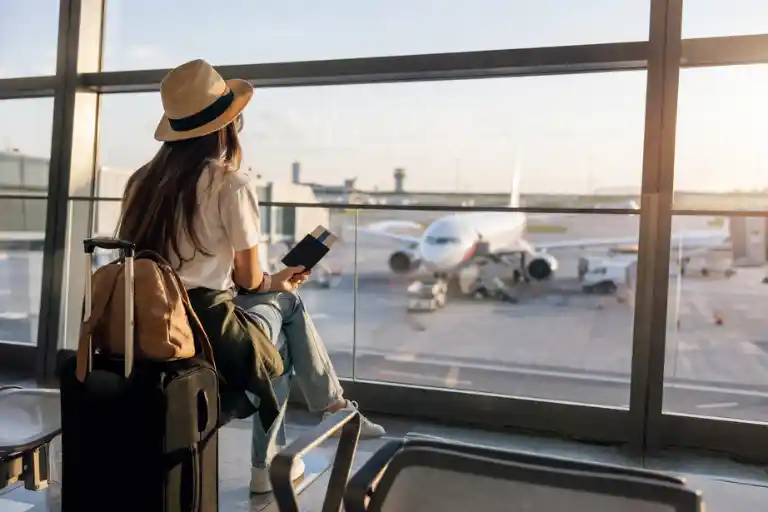
Flying alone for the first time can feel confusing, especially if you don’t know what to expect at the airport or during the flight. Many beginners worry about getting lost, missing their flight, or doing something wrong. The truth is, flying alone is much simpler than it looks. With the right tips for flying alone for beginners, you can move through the airport with confidence and enjoy your journey.
This guide is designed to walk you through everything step by step, from preparation to arrival. You’ll learn what to do at the airport first time, how to stay calm, and how to avoid common mistakes. By the end, you’ll feel ready and confident for your first solo trip. Remember, millions of people fly every day, and once you understand the process, it becomes easy and stress-free.
Quick Answer: Tips for Flying Alone for Beginners
Flying alone for the first time is easy if you follow a few simple steps. Arrive early at the airport, keep your documents and boarding pass ready, and carefully follow airport signs to navigate each step. Stay calm, listen to announcements, and ask staff if needed to ensure a smooth journey.
Flying Alone for the First Time: What You Need to Know First
If you’re flying alone for the first time, it helps to understand the full journey so nothing feels unexpected. Your travel day usually starts by arriving at the airport early with your documents ready. You’ll go through check-in, where you get your boarding pass, followed by security screening. After that, you’ll find your departure gate by following airport signs and screens. When boarding begins, you simply show your pass and enter the plane. During the flight, you can relax, follow crew instructions, and enjoy the experience. After landing, you exit the plane, collect your luggage at baggage claim, and leave the airport.
When you know what happens at the airport first time flying, everything becomes clear, structured, and easy to follow.
Why Flying Alone Feels Scary (And How to Overcome It)
It’s completely normal to feel nervous before your first time flying alone. Most beginners feel anxious because of the fear of the unknown—not knowing where to go or what to do next. There’s also a common fear of getting lost at the airport or missing an important step.
The good news is that airports are designed to guide you. Clear signs, helpful staff, and simple processes make it easy to move from one step to another. You don’t have to figure everything out alone.
To build confidence, remind yourself that millions of people fly every day, including first-time travelers. Stay calm, follow each step one at a time, and don’t hesitate to ask for help. With the right mindset, your first solo flight can feel smooth, simple, and even exciting.
Complete Pre-Flight Preparation (Before You Leave Home)

You might also like: Ultimate Guide to What to Wear in Greece
Preparing properly before your trip makes a huge difference, especially if you are flying alone for the first time. When you plan ahead, you reduce stress and move through each step with confidence.
Booking Smart (Flights, Seats, Timing)
Choose a flight time that is easy for you, preferably during the day. If possible, select a window or aisle seat based on your comfort. Beginners often feel better choosing seats closer to the wing for a smoother ride. Also, try to book direct flights to avoid confusion during connections.
Documents Checklist (ID, Passport, Tickets)
Always keep your ID or passport, boarding pass, and any required travel documents ready. Store them in one place so you don’t panic while searching. These are the most important items when following tips for flying alone for beginners.
Packing Checklist (Carry-On Essentials + Luggage Tips)
Your carry-on should include essentials like your phone charger, power bank, snacks, headphones, and important documents. Avoid overpacking and follow airline rules for liquids and baggage. Smart packing makes the airport process first time much easier.
What to Wear for Comfort
Wear comfortable clothes and shoes. Airports involve walking, waiting, and sitting, so choose breathable outfits and easy-to-remove shoes for security checks.
Phone Setup (Apps, Offline Info, Boarding Pass)
Download your airline app, save your boarding pass, and keep important details offline. Having everything on your phone helps you navigate the airport navigation tips smoothly.
Complete First-Time Flyer Checklist (Quick Reference Section)
Here’s a simple beginner checklist for flying alone you can quickly follow:
- ID / Passport ready
- Boarding pass (printed or mobile)
- Flight details checked
- Carry-on packed with essentials
- Phone fully charged + power bank
- Arrive early at the airport
- Follow signs for check-in and security
- Keep documents easily accessible
This quick list acts as your airport survival guide for beginners, helping you stay organized and stress-free.
Airport Process Explained Step-by-Step (Beginner Walkthrough)
Understanding the step-by-step airport guide for beginners is the most important part of your journey. Once you know this, everything becomes simple.
Step 1: Arriving at the Airport
Arrive at least 2–3 hours before your flight. Enter through the main terminal and check the flight screens to confirm your airline and departure details.
Step 2: Check-In Process
You can check in online or at the airport counter. If you have luggage, go to your airline counter, show your ID, and get your boarding pass. This step is key in understanding how to check in at airport alone.
Step 3: Security Screening
At security, place your bags on the belt. Remove liquids, electronics, and metal items as instructed. Follow the rules and listen to staff—it’s a routine process.
Step 4: Finding Your Gate
After security, check the screens for your departure gate. Follow signs clearly marked inside the airport. This is where airport navigation for beginners becomes important.
Step 5: Waiting Area & Announcements
Sit near your gate and listen carefully to announcements. They will inform you about boarding time and any updates.
Step 6: Boarding the Plane
When your group is called, show your boarding pass and scan it. Follow the line, find your seat, and settle in. This is the final step before your first solo flight experience begins.
Airport Navigation Tips (How Not to Get Lost)
Many beginners worry about how to navigate the airport alone for beginners, but airports are designed to guide you step by step.
- Understanding airport signs: Follow clear signs for check-in, security screening, and departure gates. Everything is labeled.
- Using airport maps: Most airports have digital maps or boards that help you find your way quickly.
- Asking staff confidently: If you feel confused, simply ask airline or airport staff. They are there to help, especially first-time travelers.
- Tracking flight info screens: Always check the display screens for your flight status and gate number.
With these simple airport navigation tips, you won’t feel lost, even during your first time flying alone.
First Flight Experience Explained (What to Expect)
Understanding what to expect when flying alone first time removes fear and builds confidence.
- Takeoff feeling: You’ll feel a strong push as the plane speeds up and lifts off. It may feel unusual but is completely normal.
- Turbulence: Small bumps in the air can happen. Stay calm—this is safe and common.
- Cabin environment: You’ll sit in a closed but comfortable space with passengers and crew.
- Sounds & sensations: Engine noise, announcements, and slight pressure changes are all part of the experience.
Once you know this, your first flight experience explained becomes much less intimidating.
During the Flight: Beginner Comfort & Survival Tips
To make your journey smooth, follow these travel tips for beginners during the flight:
- Seat comfort tips: Adjust your seat, use a neck pillow, and relax your posture.
- Hydration: Drink water regularly to stay comfortable during the flight.
- Entertainment: Watch movies, listen to music, or read to stay relaxed.
- Using the restroom: You can use it anytime except during takeoff and landing.
- Sleeping tips: Try to rest if your flight is long—this makes travel easier.
These small steps improve your flying alone experience and keep you comfortable.
What to Do After Landing (Arrival Process Made Simple)
After landing, follow this simple step by step airport guide for beginners:
- Exiting the plane: Follow passengers toward the terminal.
- Immigration (if international): Show your passport and documents.
- Baggage claim: Check screens for your belt number and collect luggage.
- Airport exit: Follow signs toward exit or arrivals area.
- Transportation: Use taxis, rideshare apps, or public transport to reach your destination.
Knowing what to do after landing at airport helps you stay calm and organized.
Flying Alone Safety Tips (Must Know for Beginners)
Safety is important when following these tips for flying alone for beginners:

- Keep documents secure: Store your passport, ID, and boarding pass safely.
- Stay aware: Pay attention to your surroundings at all times.
- Avoid scams: Don’t accept help from strangers unnecessarily.
- Emergency contacts: Keep important numbers saved on your phone.
These simple solo travel safety tips ensure a safe and stress-free journey.
Flying Alone Anxiety Tips (Stay Calm & Confident)
Feeling nervous is normal during your first time flying alone. These tips help you stay calm:
- Breathing techniques: Take slow, deep breaths to relax your body.
- Staying distracted: Watch movies or listen to music to shift your focus.
- Positive mindset: Remind yourself that flying is safe and routine.
- Asking for help: Don’t hesitate to ask staff if you feel unsure.
These flying alone anxiety tips help you build confidence and enjoy your journey.
Common Mistakes First-Time Solo Flyers Make (Avoid These)
Avoid these common errors to make your first flight experience smooth:
- Arriving late: Always reach the airport early to avoid stress.
- Overpacking: Carry only what you need to stay organized.
- Not checking gate: Gates can change, so keep checking screens.
- Ignoring announcements: Important updates are shared through announcements.
By avoiding these mistakes, your flying alone for the first time experience becomes simple, smooth, and stress-free.
What to Do If Something Goes Wrong (Emergency Guide)
Even with the best planning, things can go wrong during your first time flying alone. The key is to stay calm and take the right steps.
- Missed flight: Go to your airline counter immediately. Staff can help you rebook the next available flight.
- Delays: Check your flight status screens or airline app for updates. Stay near your gate and listen to announcements.
- Lost baggage: Report it at the airline’s baggage desk. Provide your details and keep the tracking receipt.
- Getting lost at airport: Don’t panic. Follow signs or ask staff for directions—this is very common for beginners.
Knowing what to do if something goes wrong at airport keeps you confident and prepared.
Pro Tips from Frequent Solo Travelers
Experienced travelers follow simple habits that make flying alone easier and stress-free:
- Use travel apps: Airline apps give real-time updates, boarding passes, and gate info.
- Keep backups: Save copies of your documents and tickets on your phone and email.
- Snacks + comfort hacks: Carry snacks, a neck pillow, and headphones for a better experience.
- Battery management: Keep your phone charged and carry a power bank at all times.
These travel hacks for solo flights help you travel smarter and stay prepared.
Beginner Travel Day Routine (Step-by-Step Timeline)
Here’s a simple step-by-step travel day routine to help you visualize your journey:
- Leave home: Double-check your documents, luggage, and flight details.
- Reach the airport: Arrive early and enter the correct terminal.
- Check-in & security: Get your boarding pass and clear security screening.
- Find your gate: Follow signs and wait for announcements.
- Boarding: Show your pass and enter the plane.
- Flight: Relax, follow crew instructions, and enjoy the journey.
- Arrival: Exit, collect luggage, and head to your destination.
This routine makes your first solo flight feel organized and easy to follow.
Smart Travel Hacks for First-Time Flyers

Use these smart tips to improve your first-time airport experience:
- Save documents digitally: Keep your boarding pass and ID copies on your phone.
- Use carry-on smartly: Pack essentials like chargers, snacks, and important items.
- Track flights: Use apps to monitor flight status and gate changes.
- Avoid long lines: Check in online and arrive early to move faster.
These tips for first time solo traveler airport process make your journey smoother, faster, and stress-free.
Printable Flying Alone Checklist
To make your journey easier, here’s a simple flying alone checklist for beginners you can save or screenshot before your trip. This works as your airport survival guide for beginners and helps you stay organized from start to finish.
- ID / Passport ready
- Boarding pass saved (mobile or printed)
- Flight details checked (time, gate, terminal)
- Carry-on packed with essentials (charger, snacks, headphones)
- Phone fully charged + power bank
- Arrive early at the airport
- Follow airport signs step by step
- Keep documents easily accessible
- Track flight status regularly
- Stay calm and ask for help if needed
This beginner checklist for flying alone ensures you don’t miss anything important and helps you travel with confidence.
FAQs About Tips for Flying Alone for Beginners
Is flying alone safe for beginners?
Yes, flying alone for the first time is completely safe. Airports have clear systems, helpful staff, and strong security, making it easy for beginners to travel confidently.
How early should I arrive?
You should arrive at least 2–3 hours before your flight, especially if it’s your first time flying alone, to avoid stress and have enough time for check-in and security.
What if I get lost at the airport?
Don’t worry—this is common. Follow signs or ask staff for help. Airports are designed to guide you, making airport navigation for beginners simple.
Can I ask airport staff for help?
Yes, absolutely. Staff are there to assist travelers, especially those who are flying alone for the first time.
What documents do I need?
You need your ID or passport, boarding pass, and any required travel documents. Keep them safe and easily accessible at all times.
Conclusion
Your first time flying alone might feel overwhelming at the start, but once you understand the process, it becomes simple and manageable. By following these tips for flying alone for beginners, staying organized, and keeping a calm mindset, you can move through each step with confidence. Remember, every experienced traveler was once a beginner. Take it one step at a time, trust the process, and don’t hesitate to ask for help when needed. Your first solo flight is not just a journey—it’s a step toward independence and confidence.