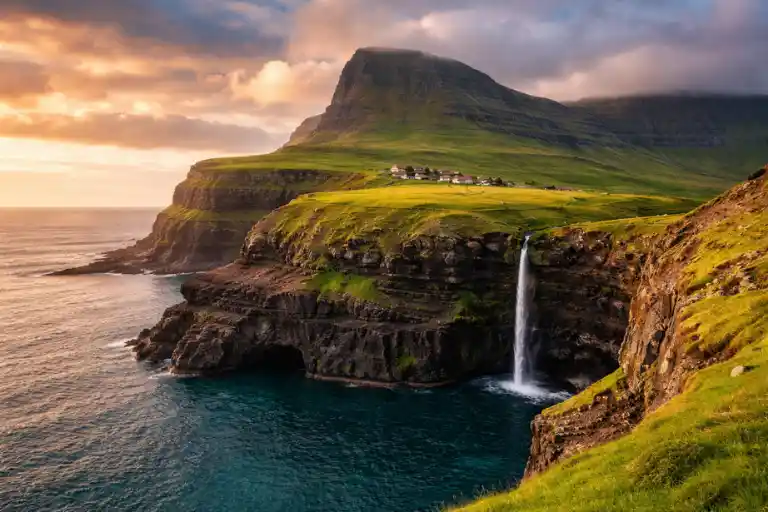
Planning the perfect Faroe Islands itinerary can feel exciting and a little overwhelming at the same time. These remote islands in the North Atlantic Ocean are known for their dramatic cliffs, waterfalls, colorful villages, and untouched landscapes. Many travelers visit the islands for an unforgettable Faroe Islands road trip, exploring quiet coastal roads, scenic mountains, and hidden villages that feel almost untouched by time.
Whether you are planning a 3-day Faroe Islands itinerary, a 5-day Faroe Islands itinerary, or even a 7-day Faroe Islands itinerary, this guide will help you create the ideal trip. From the best places to visit in the Faroe Islands to practical Faroe Islands travel tips, you will find everything needed to plan your journey. By the end of this Faroe Islands travel guide, you will have a clear Faroe Islands travel itinerary and know exactly how to explore this breathtaking destination.
Quick Facts About the Faroe Islands
Before planning your Faroe Islands itinerary, it helps to understand some quick facts about this fascinating destination. These islands are small but incredibly rich in nature, culture, and history, making them a perfect place for a scenic Faroe Islands road trip.
Number of Islands
The Faroe Islands are an archipelago made up of 18 volcanic islands located between Iceland and Norway in the North Atlantic Ocean. Most islands are connected by bridges, tunnels, and ferries, which makes exploring them on a Faroe Islands road trip itinerary both easy and exciting. Each island offers dramatic cliffs, waterfalls, and peaceful coastal villages.
Population and Culture
The Faroe Islands have a population of around 54,000 people. Faroese culture is strongly influenced by Nordic traditions, local fishing communities, and a deep connection with nature. Travelers often notice how friendly locals are, which makes visiting the best places to visit in the Faroe Islands even more enjoyable.
Capital City (Tórshavn)
The capital city of the Faroe Islands is Tórshavn, one of the smallest capitals in the world. Despite its small size, the city is the cultural and political center of the islands. Many travelers include Tórshavn in their Faroe Islands travel itinerary to explore its colorful houses, historic harbor, and excellent restaurants.
Currency and Language
The official currency used in the Faroe Islands is the Danish Krone (DKK), although Faroese banknotes are also used locally. The main language spoken is Faroese, but most people also speak Danish and English, which makes travel easy for international visitors planning a Faroe Islands travel guide adventure.
Map of the Faroe Islands

You might also like: Top 25 Fun Things to Do in Key West
Understanding the map of the Faroe Islands is very helpful when planning your Faroe Islands itinerary. The islands are scattered across the North Atlantic Ocean, but they are surprisingly well connected. Most travelers explore the destination through a scenic Faroe Islands road trip itinerary, moving between islands through tunnels, bridges, and ferries.
Overview of the Island Geography
The Faroe Islands consist of 18 rugged volcanic islands surrounded by dramatic cliffs and deep fjords. These islands are known for their steep mountains, green valleys, and coastal villages. The largest and most visited islands include Streymoy, Eysturoy, Vágar, Sandoy, and Kalsoy. Because of their close proximity, travelers can easily visit several islands during a 3-day Faroe Islands itinerary, 5 day Faroe Islands itinerary, or even a longer 7-day Faroe Islands itinerary.
Main Travel Regions
The Faroe Islands are usually explored in a few key regions that are popular in many Faroe Islands travel itinerary plans:
- Vágar Island – Home to the airport, the famous Múlafossur Waterfall, and Lake Sørvágsvatn.
- Streymoy Island – The largest island, where the capital Tórshavn is located.
- Eysturoy Island – Known for dramatic mountains and villages like Gjógv and Funningur.
- Kalsoy Island – Famous for the Kallur Lighthouse hike and stunning sea cliffs.
- Mykines Island – One of the best places for puffin watching.
These regions are often included in most Faroe Islands travel guide routes.
Key Routes Connecting the Islands
One of the most fascinating parts of traveling here is the network of underwater tunnels and scenic roads connecting the islands. These tunnels make it possible to drive between major islands quickly during a Faroe Islands road trip.
Important connections include:
- Vágar to Streymoy subsea tunnel (connects the airport to the capital).
- The Eysturoy tunnel linking Streymoy and Eysturoy.
- Bridges between northern islands make road travel easy.
- Ferries to islands like Kalsoy and Mykines.
Because of these routes, travelers can comfortably explore many of the best places to visit in the Faroe Islands in just a few days while following a well-planned Faroe Islands itinerary.
Understanding the Geography of the Faroe Islands
The geography of the Faroe Islands plays a big role in planning a smooth Faroe Islands itinerary. These islands are located in the North Atlantic Ocean between Iceland and Norway and are known for their dramatic cliffs, deep fjords, and green mountain landscapes. Because the islands are relatively close to each other, travelers can easily explore multiple places during a Faroe Islands road trip itinerary.
Island Groups
The Faroe Islands consist of 18 islands, but most travel itineraries focus on a few main islands where the majority of attractions are located. The most important islands for a Faroe Islands travel itinerary include:
- Streymoy – The largest island and home to the capital, Tórshavn.
- Eysturoy – Known for dramatic mountains and villages like Gjógv.
- Vágar – The island where the main airport is located and where travelers can see Múlafossur Waterfall and Lake Sørvágsvatn.
- Kalsoy – Famous for the Kallur Lighthouse hike and scenic cliffs.
- Mykines – One of the best places for puffin watching.
These islands are usually included in most Faroe Islands road trip itineraries.
Underwater Tunnels
One of the most impressive parts of traveling around the islands is the system of underwater tunnels. These tunnels connect major islands beneath the ocean, making travel faster and more convenient. For example, the Eysturoy Tunnel connects Streymoy and Eysturoy, while another tunnel links Vágar Island to Streymoy. These tunnels make it easy for travelers to follow a Faroe Islands travel guide route without relying only on ferries.
Bridges and Ferries Connecting Islands
Besides tunnels, the islands are also connected through bridges and ferry routes. Bridges link several northern islands, allowing visitors to drive between them easily during a Faroe Islands road trip. For islands like Kalsoy and Mykines, travelers usually take a ferry. This combination of tunnels, bridges, and ferries makes it possible to explore many best places to visit in the Faroe Islands within a few days.
How Many Days Do You Need in the Faroe Islands?
One of the most common questions travelers ask when planning a Faroe Islands itinerary is how many days they should spend exploring the islands. The answer depends on how much time you have and how deeply you want to explore the landscapes, villages, and hiking trails.
3 Days for a Short Trip
A 3 day Faroe Islands itinerary is perfect for travelers with limited time. In three days, you can explore Vágar Island, visit the famous Múlafossur Waterfall, hike to Lake Sørvágsvatn, and spend time in Tórshavn. This short trip still allows you to see some of the best places to visit in the Faroe Islands.
5 Days for Highlights
A 5-day Faroe Islands itinerary is one of the most popular options. In five days, you can explore multiple islands, including Vágar, Streymoy, Eysturoy, and Kalsoy. This allows travelers to enjoy scenic villages like Saksun and Gjógv, hike dramatic cliffs, and experience a full Faroe Islands road trip itinerary.
7 Days for a Complete Experience
If you want to explore the islands more deeply, a 7-day Faroe Islands itinerary offers the best experience. With a full week, you can visit remote islands like Mykines, explore hidden villages, and take scenic drives through some of the most breathtaking landscapes in Europe. A week-long Faroe Islands travel itinerary allows travelers to experience the culture, nature, and peaceful atmosphere of the islands without rushing.
Best Time to Visit the Faroe Islands
Choosing the best time to visit the Faroe Islands is important when planning your Faroe Islands itinerary. The islands are known for their dramatic landscapes, but the weather can change quickly. Each season offers a different travel experience, so the best time depends on what you want to see and do during your Faroe Islands travel itinerary.
Summer Travel (Best Weather)
Summer, from June to August, is considered the best time for a Faroe Islands road trip itinerary. During these months, the weather is milder, the days are long, and most hiking trails are open. This is the perfect time to explore the best places to visit in the Faroe Islands, such as Gasadalur, Saksun, and Gjógv, without worrying too much about extreme weather.
Puffin Season
One of the biggest highlights of a Faroe Islands travel guide adventure is seeing puffins. Puffin season usually runs from May to August, especially on Mykines Island, which is famous for its bird colonies. Many travelers include Mykines in their 5-day Faroe Islands itinerary or 7-day Faroe Islands itinerary because it is one of the best wildlife experiences in the North Atlantic.
Winter Travel Considerations
Winter in the Faroe Islands runs from November to March. During this time, the islands become quieter, and you can enjoy a more peaceful atmosphere. However, winter travel requires careful planning because weather conditions can be unpredictable, and some ferries or hiking trails may be limited. A winter Faroe Islands itinerary often focuses more on villages, culture, and scenic drives.
Weather Expectations
The weather in the Faroe Islands is famous for being unpredictable. It is common to experience sunshine, rain, fog, and wind all in the same day. Because of this, travelers should always pack waterproof clothing and warm layers when following a Faroe Islands road trip itinerary. Even in summer, temperatures usually stay cool, making layered clothing essential for exploring the islands.
Planning Your Faroe Islands Trip
Before starting your Faroe Islands itinerary, it is helpful to prepare a few important travel details. Proper planning will make your Faroe Islands road trip smoother and allow you to focus on enjoying the dramatic landscapes, charming villages, and scenic drives that make this destination special.
Travel Requirements
The Faroe Islands are part of the Kingdom of Denmark, but they are not part of the European Union. Most travelers from Europe and many other countries can visit without a visa for short stays. However, it is always a good idea to check the latest travel requirements before starting your Faroe Islands travel itinerary.
Currency and Payment Methods
The official currency in the Faroe Islands is the Danish Krone (DKK). Credit and debit cards are widely accepted in hotels, restaurants, and shops, which makes payments easy for travelers following a Faroe Islands travel guide. Carrying a small amount of cash can still be helpful when visiting remote villages.
Internet and SIM Cards
Internet access in the Faroe Islands is generally very reliable. Many hotels, cafés, and guesthouses provide free Wi-Fi, and travelers can also purchase local SIM cards at the airport or in the capital, Tórshavn. This makes it easy to navigate your Faroe Islands road trip itinerary using maps and travel apps.
Travel Insurance Recommendations
Travel insurance is highly recommended for any Faroe Islands itinerary. The islands have rugged landscapes and unpredictable weather, so having insurance can provide peace of mind during activities like hiking, boat tours, or long scenic drives across the islands.
How to Get to the Faroe Islands
Reaching the Faroe Islands is easier than many travelers expect. Although the islands are located in the middle of the North Atlantic Ocean, several airlines and ferry routes make it possible to include them in your Faroe Islands travel itinerary.
Flights to Vágar Airport
Most international visitors arrive through Vágar Airport, the main airport of the Faroe Islands. The airport is located on Vágar Island, which is also home to famous attractions like Lake Sørvágsvatn and Múlafossur Waterfall. From the airport, travelers can easily begin their Faroe Islands road trip itinerary and explore nearby villages.
Airlines Flying to the Faroe Islands
The main airline connecting the islands to Europe is Atlantic Airways, the national airline of the Faroe Islands. Flights are available from cities like Copenhagen, Reykjavik, Paris, and Edinburgh, making the islands accessible for travelers planning a Faroe Islands travel guide adventure.
Ferry Routes from Denmark
Another way to reach the islands is by ferry. The Smyril Line ferry connects Denmark and the Faroe Islands, with stops in Iceland during certain routes. This option is especially popular with travelers who want to bring a car and experience a full Faroe Islands road trip from the moment they arrive.
How to Get Around the Faroe Islands
Getting around the islands is easier than many travelers expect. Because most islands are connected by tunnels, bridges, and ferries, it is possible to explore many destinations during a well-planned Faroe Islands road trip itinerary. The transportation system makes it simple to visit several best places to visit in the Faroe Islands even in a short trip.

Renting a Car
Renting a car is the most popular way to explore the islands. A car allows travelers to follow a flexible Faroe Islands itinerary and stop at scenic viewpoints, waterfalls, and remote villages along the way. Most visitors begin their Faroe Islands road trip directly from Vágar Airport, where several rental companies operate.
Driving Through Subsea Tunnels
One of the most unique experiences in a Faroe Islands travel itinerary is driving through subsea tunnels that connect the islands beneath the ocean. These tunnels make it quick to travel between major islands like Streymoy, Vágar, and Eysturoy. Some tunnels charge a small toll, but they save a lot of travel time during a Faroe Islands road trip itinerary.
Ferries Between Islands
For islands that are not connected by tunnels or bridges, ferries provide an important transportation option. Ferries connect islands such as Kalsoy and Mykines, which are often included in a 5 day Faroe Islands itinerary or 7 day Faroe Islands itinerary. These ferry rides also offer beautiful views of the cliffs and coastal landscapes.
Public Buses
Travelers who prefer not to drive can use the public bus network. Buses connect many towns and villages across the islands and are reliable and affordable. However, buses run less frequently in remote areas, so a car is still the best option for a complete Faroe Islands travel guide adventure.
Faroe Islands Road Trip Map
Planning a route is one of the most important parts of a successful Faroe Islands road trip itinerary. Although the islands are relatively small, a clear travel route helps you see the most beautiful locations without rushing. This section fills a major content gap that many travel guides miss.
Suggested Travel Route
A typical Faroe Islands itinerary begins on Vágar Island, where the airport is located. From there, most travelers continue to Streymoy, home to the capital Tórshavn. After exploring Streymoy, the journey often continues to Eysturoy, known for dramatic mountains and scenic villages. Travelers with more time usually add Kalsoy Island or Mykines Island to their Faroe Islands travel itinerary.
Driving Distances
Driving distances between islands are surprisingly short. For example, the drive from Vágar Airport to Tórshavn takes about 45 minutes, while the trip from Tórshavn to Gjógv on Eysturoy takes around 1 hour. Because of these short distances, travelers can visit several Faroe Islands attractions in one day during a well-planned Faroe Islands road trip.
Ideal Travel Flow Between Islands
The best travel flow for most visitors follows this order:
Vágar → Streymoy → Eysturoy → Kalsoy or Mykines
This route allows travelers to gradually explore the best places to visit in the Faroe Islands while minimizing driving time. It also works well for both a 3-day Faroe Islands itinerary and a longer 7-day Faroe Islands itinerary.
3 Day Faroe Islands Itinerary
If you have limited time, a 3-day Faroe Islands itinerary still allows you to experience some of the islands’ most breathtaking landscapes. This short Faroe Islands travel itinerary focuses on three major areas: Vágar, Streymoy, and Tórshavn.
Day 1: Explore Vágar Island
Your first day begins on Vágar Island, where most travelers arrive. This island is home to some of the most famous Faroe Islands attractions.
Lake Sørvágsvatn Hike
Start the day with a hike to Lake Sørvágsvatn, the largest lake in the Faroe Islands. This famous hike leads to a viewpoint where the lake appears to float above the ocean, making it one of the most photographed locations in the islands.
Múlafossur Waterfall
Next, visit the iconic Múlafossur Waterfall in the village of Gasadalur. The waterfall drops dramatically from the cliffs directly into the ocean and is one of the most recognizable sights in any Faroe Islands travel guide.
Gasadalur Village
End the day exploring Gasadalur, a peaceful village surrounded by mountains and ocean cliffs. The quiet atmosphere and scenic views make it a perfect introduction to your Faroe Islands itinerary.
Day 2: Northern Streymoy
Day two focuses on the northern part of Streymoy Island, where travelers can explore some of the most beautiful villages and waterfalls.
Tjørnuvík Village
Start the day in Tjørnuvík, one of the oldest villages in the Faroe Islands. This small coastal village is famous for its black sand beach and views of the sea stacks called Risin and Kellingin.
Fossá Waterfall
On the way south, stop at Fossá, the tallest waterfall in the Faroe Islands. The waterfall flows down the mountainside in multiple stages and is an easy stop during a Faroe Islands road trip itinerary.
Saksun Lagoon
Next, visit the magical village of Saksun, known for its grass-roofed houses and peaceful lagoon surrounded by steep mountains. Saksun is often listed among the best places to visit in the Faroe Islands.
Day 3: Tórshavn & Kirkjubøur
The final day of this 3-day Faroe Islands itinerary focuses on culture, history, and local cuisine.
Tinganes Old Town
Begin your day in Tórshavn, exploring the historic district of Tinganes. This charming area features red wooden houses with grass roofs and narrow streets overlooking the harbor.
Kirkjubøur Historic Village
Just outside the capital lies Kirkjubøur, one of the most historic places in the Faroe Islands. Visitors can see the ruins of Magnus Cathedral and the famous Kirkjubøargarður farmhouse, one of the oldest wooden houses still inhabited in Europe.
Local Dining Experiences
Finish your Faroe Islands travel itinerary with a memorable meal in Tórshavn. The city offers excellent seafood restaurants where travelers can taste traditional Faroese dishes made with fresh fish and local ingredients.
4–5 Day Faroe Islands Road Trip Itinerary
A 4–5 day Faroe Islands itinerary is one of the best ways to experience the islands without rushing. This timeframe allows travelers to enjoy a scenic Faroe Islands road trip itinerary, explore charming villages, hike dramatic cliffs, and visit several of the best places to visit in the Faroe Islands. With five days, you can explore multiple islands while still having time to enjoy the peaceful atmosphere of this unique destination.
Day 1: Vágar Island Highlights
Start your Faroe Islands road trip on Vágar Island, where the main airport is located. This island offers some of the most famous attractions in the Faroe Islands.
Begin with the Lake Sørvágsvatn hike, where the lake appears to float above the ocean. After the hike, drive to the village of Gasadalur to see the spectacular Múlafossur Waterfall, one of the most photographed places in the islands. Spend time exploring the quiet village and enjoying the dramatic coastal scenery before continuing your Faroe Islands travel itinerary.
Day 2: Streymoy Scenic Villages
On the second day of your 5 day Faroe Islands itinerary, explore Streymoy Island, the largest island in the archipelago.
Visit the picturesque village of Saksun, famous for its lagoon and grass-roofed houses. Continue to Tjørnuvík, a historic village known for its black sand beach and views of the sea stacks Risin and Kellingin. Along the way, stop at Fossá Waterfall, the tallest waterfall in the Faroe Islands. These stops make Streymoy a highlight of any Faroe Islands travel guide.
Day 3: Explore Eysturoy Island
Day three takes you to Eysturoy Island, known for its dramatic mountains and peaceful villages. One of the most beautiful places here is Gjógv village, which sits beside a natural sea gorge. The views of the surrounding cliffs and ocean make Gjógv one of the most scenic spots in any Faroe Islands itinerary.
Eysturoy is also home to Slættaratindur, the highest mountain in the Faroe Islands. Many travelers include this island in their Faroe Islands road trip itinerary for its incredible landscapes and quiet atmosphere.
Day 4: Kalsoy Island Adventure
Day four is perfect for visiting Kalsoy Island, one of the most dramatic islands in the Faroe Islands. To reach Kalsoy, travelers usually take a ferry from Klaksvík.
The main highlight here is the famous Kallur Lighthouse hike, which leads to breathtaking views of cliffs and the Atlantic Ocean. Kalsoy is often called the “James Bond Island” because it appeared in a recent film. Visiting this island adds an adventurous element to any Faroe Islands travel itinerary.
Day 5: Tórshavn Exploration
Finish your 5 day Faroe Islands itinerary in the capital city, Tórshavn. Explore the historic harbor district of Tinganes, where colorful wooden houses sit along the waterfront. Tórshavn is also the cultural center of the islands, offering museums, cozy cafés, and excellent seafood restaurants.
A relaxed day in the capital provides the perfect ending to your Faroe Islands road trip, allowing you to experience both the nature and culture of this beautiful destination.
7 Day Faroe Islands Itinerary
A 7 day Faroe Islands itinerary offers the most complete travel experience. With a full week, travelers can explore remote islands, hidden villages, and scenic landscapes that are difficult to see on shorter trips. This longer Faroe Islands road trip itinerary allows you to travel at a relaxed pace while visiting the best places to visit in the Faroe Islands.
Day 1–2: Vágar & Streymoy
Start your Faroe Islands travel itinerary by exploring Vágar Island and Streymoy Island. Visit Lake Sørvágsvatn, the famous Múlafossur Waterfall, and the village of Gasadalur. On Streymoy, explore Saksun, Tjørnuvík, and the capital Tórshavn.
Day 3: Eysturoy Villages
Spend day three visiting the scenic villages of Eysturoy Island, including Gjógv and Funningur. These villages offer stunning views of cliffs, mountains, and the North Atlantic Ocean. Eysturoy is one of the most beautiful regions included in many Faroe Islands itineraries.
Day 4: Kalsoy Island
Take a ferry to Kalsoy Island and hike to Kallur Lighthouse, one of the most iconic viewpoints in the Faroe Islands. The dramatic cliffs and panoramic views make Kalsoy a must-see stop on any Faroe Islands road trip itinerary.
Day 5: Mykines Island
On day five, visit Mykines Island, famous for its colorful puffins and dramatic coastal cliffs. Mykines is one of the most unique wildlife destinations in the Faroe Islands travel guide, especially during puffin season.
Day 6: Hidden Villages
Day six is perfect for exploring hidden villages such as Elduvík, Funningur, and Múli. These quiet places are often overlooked but offer some of the most peaceful landscapes in the islands. Visiting these villages adds a special touch to a longer Faroe Islands itinerary.
Day 7: Scenic Drives & Photography Stops
Use your final day to enjoy scenic drives across the islands and visit photography locations you may have missed earlier. Stop at viewpoints overlooking fjords, waterfalls, and cliffs. This relaxed day is a great way to complete your Faroe Islands road trip.
Best Places to Visit in the Faroe Islands
The Faroe Islands are filled with dramatic landscapes and charming villages. While every island has its own beauty, some locations stand out as the best places to visit in the Faroe Islands and are often included in most Faroe Islands travel itineraries.
Saksun Village
Saksun is one of the most beautiful villages in the Faroe Islands. Surrounded by steep mountains, the village sits beside a peaceful lagoon and features traditional grass-roofed houses. The quiet atmosphere and dramatic scenery make it a highlight of many Faroe Islands road trip itineraries.
Gjógv Village
Located on Eysturoy Island, Gjógv is known for its natural sea gorge and colorful houses. The surrounding cliffs and ocean views create one of the most scenic landscapes in the islands, making Gjógv a favorite stop in many Faroe Islands travel guides.
Kalsoy Lighthouse
The Kallur Lighthouse on Kalsoy Island is one of the most iconic viewpoints in the Faroe Islands. The short hike to the lighthouse offers breathtaking views of steep cliffs and the open ocean, making it a must-see destination in any Faroe Islands itinerary.
Vestmanna Cliffs
The Vestmanna cliffs are famous for their towering sea cliffs and bird colonies. Boat tours take visitors close to the cliffs, where they can see seabirds nesting in the rock formations. This experience is one of the most exciting activities in the Faroe Islands travel guide.
Mykines Island
Mykines is one of the most remote islands in the archipelago and is famous for its puffins. During summer, thousands of puffins nest along the cliffs, making Mykines one of the best wildlife destinations in the Faroe Islands itinerary.
Lake Sørvágsvatn
The famous Lake Sørvágsvatn is known for its optical illusion where the lake appears to float above the ocean. The hike to this viewpoint is one of the most popular activities in any Faroe Islands road trip itinerary, offering incredible views of the surrounding cliffs and coastline.
The Most Beautiful Villages in the Faroe Islands
One of the highlights of any Faroe Islands itinerary is visiting the small coastal villages scattered across the islands. These villages are surrounded by steep mountains, dramatic cliffs, and peaceful fjords. Many travelers include these locations in their Faroe Islands road trip itinerary because they offer some of the most photogenic landscapes in the North Atlantic.
Gasadalur
Gasadalur is one of the most famous villages in the Faroe Islands travel guide. Located on Vágar Island, the village sits high above the ocean and offers stunning views of the surrounding cliffs. The nearby Múlafossur Waterfall is one of the most photographed spots in the islands. For many travelers, Gasadalur is a must-visit stop during a Faroe Islands travel itinerary.
Funningur
Funningur is a quiet village on Eysturoy Island, known for its dramatic mountain backdrop and peaceful fjord views. The village is also home to one of the oldest wooden churches in the Faroe Islands. Its calm atmosphere and stunning scenery make it one of the best places to visit in the Faroe Islands, especially for travelers looking for authentic Faroese culture.
Elduvík
Located on the northeastern coast of Eysturoy, Elduvík is a charming village with colorful houses and beautiful coastal views. The surrounding mountains and quiet harbor create a peaceful setting that feels far away from modern city life. Many travelers discover Elduvík during a Faroe Islands road trip and fall in love with its simplicity.
Múli
Múli is one of the smallest and most remote villages in the Faroe Islands. Situated on Borðoy Island, the village offers breathtaking views of the ocean and surrounding cliffs. Because of its remote location, Múli feels incredibly peaceful and untouched, making it a hidden gem for travelers exploring a Faroe Islands itinerary.
Best Hiking Trails in the Faroe Islands
The Faroe Islands are a dream destination for hikers. The islands offer dramatic coastal cliffs, mountain peaks, and scenic trails that provide unforgettable views. Hiking is one of the most popular activities included in any Faroe Islands road trip itinerary.
Kallur Lighthouse Hike
The Kallur Lighthouse hike on Kalsoy Island is one of the most famous hikes in the Faroe Islands. The trail leads to a lighthouse perched on a dramatic cliff overlooking the ocean. From the top, hikers can see steep cliffs dropping into the Atlantic and panoramic views of surrounding islands. This hike is often a highlight of a 5-day Faroe Islands itinerary or 7 day Faroe Islands itinerary.
Slættaratindur Hike
Slættaratindur is the highest mountain in the Faroe Islands. The hike to the summit is relatively accessible and offers incredible views across the archipelago. On clear days, hikers can see nearly all of the islands, making it one of the most rewarding experiences in a Faroe Islands travel itinerary.
Lake Sørvágsvatn Hike
The Lake Sørvágsvatn hike is one of the most popular trails in the islands. The hike leads to a viewpoint where the lake appears to float above the ocean, creating a unique optical illusion. This trail is included in many Faroe Islands travel guides because it offers one of the most iconic landscapes in the country.
Best Scenic Drives in the Faroe Islands
Driving through the Faroe Islands is an experience in itself. The islands are connected by tunnels, bridges, and winding mountain roads that offer incredible views at every turn. Exploring these roads is a key part of any Faroe Islands road trip itinerary.
Streymoy Coastal Drive
The coastal road along Streymoy Island offers stunning views of mountains, waterfalls, and the North Atlantic Ocean. Along the route, travelers can stop at villages like Saksun and Tjørnuvík, making this drive one of the most scenic experiences in a Faroe Islands itinerary.
Eysturoy Mountain Roads
Driving through Eysturoy Island reveals dramatic mountain landscapes and deep fjords. The winding roads connect beautiful villages such as Gjógv and Funningur, allowing travelers to enjoy some of the most breathtaking scenery in the islands.
Kalsoy Island Road
The narrow road on Kalsoy Island passes through several tunnels and small villages before reaching the famous Kallur Lighthouse trailhead. This route is one of the most adventurous drives in the Faroe Islands travel guide, offering incredible cliffside views and dramatic coastal landscapes.
Best Photography Spots in the Faroe Islands
The Faroe Islands are one of the most photogenic destinations in the world. With dramatic cliffs, waterfalls, and colorful villages, photographers can capture incredible landscapes almost everywhere they go. If you are planning a Faroe Islands itinerary, adding these viewpoints to your Faroe Islands road trip itinerary will help you capture some of the most iconic scenes in the islands.
Gasadalur Waterfall Viewpoint
The Gasadalur waterfall viewpoint is one of the most famous photography locations in the Faroe Islands travel guide. Here, the beautiful Múlafossur Waterfall drops from steep cliffs directly into the ocean, creating a dramatic scene that looks like it belongs in a fantasy movie. Many travelers visit this spot during sunset for the best lighting.
Saksun Lagoon
The village of Saksun is another incredible photography destination. The peaceful Saksun lagoon, surrounded by mountains and traditional grass-roofed houses, creates a unique landscape that looks untouched by time. This location is often considered one of the best places to visit in the Faroe Islands for landscape photography.
Kalsoy Cliffs
The cliffs of Kalsoy Island offer some of the most dramatic views in the Faroe Islands. From the Kallur Lighthouse viewpoint, photographers can capture steep cliffs, the Atlantic Ocean, and neighboring islands in the distance. These cliffs are a highlight of many Faroe Islands road trip itineraries.
Mykines Puffin Cliffs
For wildlife photography, Mykines Island is one of the best locations in the Faroe Islands. During puffin season, thousands of puffins nest along the cliffs, providing incredible photo opportunities. The colorful birds, combined with the rugged coastal scenery, make Mykines a must-see destination in any Faroe Islands travel itinerary.
Hidden Gems in the Faroe Islands
While the Faroe Islands are known for their famous attractions, many lesser-known locations are just as beautiful. These hidden spots are perfect for travelers looking to explore beyond the usual tourist routes during a Faroe Islands itinerary.
Elduvík
The small village of Elduvík sits on the northeastern coast of Eysturoy Island. Surrounded by steep mountains and overlooking a peaceful fjord, this quiet village offers incredible views and a calm atmosphere. Elduvík is often discovered during a Faroe Islands road trip and quickly becomes a favorite stop for travelers.
Funningur
Another hidden gem on Eysturoy Island is Funningur, a charming village with colorful houses and a historic wooden church. The surrounding mountains create a dramatic backdrop, making it one of the most scenic villages included in many Faroe Islands travel itineraries.
Múli Village
Múli is one of the most remote villages in the Faroe Islands. Located on Borðoy Island, this tiny village offers breathtaking views of the surrounding ocean and cliffs. Because it is less visited by tourists, Múli provides a peaceful experience for travelers exploring a Faroe Islands road trip itinerary.
Sandoy Island
Sandoy Island is often overlooked by visitors, but it offers beautiful coastal landscapes, quiet villages, and a slower pace of life. Exploring Sandoy allows travelers to experience authentic Faroese culture and discover places that are rarely included in typical Faroe Islands travel guides.
Where to Stay in the Faroe Islands
Finding the right place to stay can make a big difference in your Faroe Islands itinerary. Accommodation options range from modern hotels in the capital to cozy guesthouses in quiet villages. Choosing the right location will help you enjoy a smooth Faroe Islands road trip itinerary.
Best Areas to Stay
Most travelers choose to stay in Tórshavn, the capital city, because it offers easy access to many Faroe Islands attractions. Other great areas include Vágar Island, which is close to the airport and famous sights like Lake Sørvágsvatn, and Eysturoy Island, which is known for its scenic villages and mountain landscapes.
Hotels and Guesthouses
Hotels in the Faroe Islands range from modern city hotels to traditional guesthouses in small villages. Many guesthouses offer cozy rooms with beautiful views of the mountains or ocean. Staying in a local guesthouse can also give travelers a more authentic experience during their Faroe Islands travel itinerary.
Budget Accommodations
Although the Faroe Islands can be expensive, there are still budget options available. Travelers can find hostels, small guesthouses, and vacation rentals across the islands. Booking early is recommended, especially during the busy summer season when many visitors follow a 5-day Faroe Islands itinerary or 7 day Faroe Islands itinerary.
Faroe Islands Food Guide
Food is an important part of the Faroe Islands travel experience. The local cuisine reflects the islands’ connection to the sea and traditional Nordic culture. Trying local dishes is a great way to enhance your Faroe Islands itinerary.
Traditional Faroese Cuisine
Traditional Faroese food focuses on fresh seafood, lamb, and locally preserved ingredients. Dishes such as fermented lamb, dried fish, and hearty soups have been part of Faroese culture for centuries. These traditional meals provide a unique taste of the islands and are often recommended in many Faroe Islands travel guides.
Best Restaurants in Tórshavn
The capital Tórshavn, is the best place to explore Faroese cuisine. The city offers several excellent restaurants that serve both traditional and modern Nordic dishes. Many restaurants focus on locally sourced ingredients, giving travelers an authentic dining experience during their Faroe Islands travel itinerary.
Seafood Specialties
Seafood plays a major role in Faroese cuisine. Fresh fish, lobster, and shellfish are common in local dishes. Many restaurants serve freshly caught seafood prepared in simple yet flavorful ways. Trying these specialties is a highlight of any Faroe Islands road trip itinerary, especially after a day of exploring the islands.
Faroe Islands Travel Budget
The Faroe Islands are known for their incredible landscapes, but they are also considered one of the more expensive travel destinations in Europe. Planning a realistic Faroe Islands travel budget will help you enjoy your Faroe Islands itinerary without surprises. While prices can vary depending on the season, understanding the main travel costs makes it easier to plan a smooth Faroe Islands road trip itinerary.
Accommodation Costs
Accommodation in the Faroe Islands ranges from modern hotels to small guesthouses and vacation rentals. In the capital Tórshavn, hotel prices usually range between $150 and $300 per night, depending on the season. Guesthouses and apartments in smaller villages may cost a little less. Booking early is recommended, especially during summer when many travelers follow a 5 day Faroe Islands itinerary or 7 day Faroe Islands itinerary.
Car Rental Prices
Renting a car is one of the most important parts of a Faroe Islands road trip. Most travelers rent a car directly from Vágar Airport. Daily rental prices typically range from $80 to $150 per day, depending on the vehicle type and season. Some subsea tunnels also require small toll payments, which should be included in your Faroe Islands travel budget.
Food Prices
Food in the Faroe Islands can be expensive because many ingredients are imported. A meal at a casual restaurant usually costs $20–$35 per person, while fine dining in Tórshavn can cost $60 or more. However, travelers can save money by buying groceries or cooking meals if staying in apartments during their Faroe Islands travel itinerary.
Estimated Daily Budget
On average, travelers spend around $150–$250 per day in the Faroe Islands, including accommodation, food, transportation, and activities. Budget travelers may spend less by choosing guesthouses and simple meals, while luxury travelers may spend more. Planning your Faroe Islands itinerary in advance helps you manage costs and enjoy the experience fully.
Packing List for the Faroe Islands
Packing the right gear is essential when visiting the Faroe Islands. The weather can change quickly, so travelers should be prepared for rain, wind, and cool temperatures. A smart packing list will make your Faroe Islands road trip itinerary much more comfortable.
Waterproof Clothing
Rain is common in the Faroe Islands, even during summer. Bringing waterproof jackets and rain pants is essential for exploring waterfalls, hiking trails, and coastal viewpoints included in many Faroe Islands travel itineraries.
Hiking Boots
Many of the best places to visit in the Faroe Islands require short hikes or walks across uneven terrain. Comfortable waterproof hiking boots provide stability and help travelers explore locations like Lake Sørvágsvatn and Kallur Lighthouse safely.
Warm Layers
Temperatures in the Faroe Islands remain cool throughout the year. Even during summer, it is important to pack warm layers, including sweaters and windproof jackets. Layered clothing allows travelers to adjust easily to changing weather conditions during a Faroe Islands road trip.
Camera Equipment
The Faroe Islands are one of the most scenic destinations in the world, so bringing camera equipment is highly recommended. A camera or smartphone with extra batteries and memory cards will help capture stunning landscapes, waterfalls, and coastal villages along your Faroe Islands itinerary.
Safety Tips for Visiting the Faroe Islands
The Faroe Islands are generally a very safe travel destination, but visitors should still take a few precautions when exploring the rugged landscapes. Following basic safety tips will help you enjoy your Faroe Islands travel itinerary with confidence.
Hiking Safety
Hiking is one of the most popular activities in the Faroe Islands travel guide, but trails can sometimes be steep or slippery. Always wear proper footwear, stay on marked trails, and check weather conditions before starting a hike. This is especially important when visiting locations like Kalsoy cliffs or Slættaratindur mountain.
Weather Precautions
The weather in the Faroe Islands can change quickly. Travelers may experience sunshine, rain, and fog on the same day. Always carry waterproof clothing and be prepared for sudden weather changes during your Faroe Islands road trip itinerary.
Driving Safety
Driving is generally safe, but roads can be narrow and winding in some areas. Drive slowly through villages and tunnels, and be cautious when encountering sheep on rural roads. Safe driving helps travelers enjoy a relaxed Faroe Islands road trip while exploring scenic routes across the islands.
Responsible Travel in the Faroe Islands
The Faroe Islands are known for their untouched landscapes and strong local traditions. Practicing responsible travel helps protect the environment and ensures that future travelers can enjoy the same beautiful scenery.
Respect Nature
The natural landscapes of the Faroe Islands are fragile. Visitors should avoid damaging plants, disturbing wildlife, or leaving trash behind. Respecting nature is an important part of a sustainable Faroe Islands itinerary.
Follow Marked Trails
Many hiking areas in the Faroe Islands cross private land. Travelers should always follow marked trails and respect local guidelines. Staying on official paths helps protect the environment and maintain good relationships with local communities.
Support Local Communities
Supporting local businesses, guesthouses, and restaurants helps the islands’ economy and preserves Faroese culture. Choosing locally owned accommodations and dining spots during your Faroe Islands travel itinerary allows travelers to contribute positively to the community while enjoying an authentic experience.
Common Mistakes When Visiting the Faroe Islands
The Faroe Islands are a stunning travel destination, but many first-time visitors make small mistakes that can affect their trip. Knowing these common issues in advance will help you plan a smoother Faroe Islands itinerary and enjoy your Faroe Islands road trip without unnecessary stress.
Underestimating Weather
One of the most common mistakes travelers make is underestimating the Faroe Islands’ weather. The weather can change quickly, and it is possible to experience rain, fog, wind, and sunshine on the same day. Many visitors arrive without proper clothing, which can make outdoor activities uncomfortable. Packing waterproof clothing, warm layers, and sturdy shoes is essential for any Faroe Islands travel itinerary.
Not Planning Driving Routes
Another mistake is not planning driving routes in advance. Although distances between islands are short, roads can be narrow and winding. A well-planned Faroe Islands road trip itinerary helps travelers visit the best places to visit in the Faroe Islands without wasting time. Planning your daily travel route also helps you explore villages, waterfalls, and viewpoints more efficiently.
Skipping Ferry Schedules
Some islands in the Faroe Islands travel guide, such as Kalsoy and Mykines, require ferry transportation. Many travelers forget to check ferry schedules and arrive at the harbor only to realize they must wait hours for the next departure. Checking ferry times in advance is an important step when planning a 5 day Faroe Islands itinerary or 7 day Faroe Islands itinerary.
Frequently Asked Questions About Visiting the Faroe Islands
Travelers planning a Faroe Islands itinerary often have many questions about transportation, costs, and travel timing. Below are answers to some of the most common questions.
How many days do you need in the Faroe Islands?
Most travelers spend 4 to 7 days exploring the islands. A 3-day Faroe Islands itinerary allows you to see the main highlights, while a 5-day Faroe Islands itinerary or 7-day Faroe Islands itinerary gives you time to explore remote villages, hiking trails, and hidden gems across the islands.
Is the Faroe Islands expensive to visit?
Yes, the Faroe Islands can be expensive compared to many other European destinations. Accommodation, food, and transportation costs are generally higher. However, careful planning and budgeting can help travelers manage their Faroe Islands travel budget while still enjoying the experience.
Do you need a car in the Faroe Islands?
While public buses are available, renting a car is highly recommended. A car allows travelers to explore scenic villages, waterfalls, and hiking trails at their own pace. Most visitors choose a car to fully enjoy a Faroe Islands road trip itinerary.
What is the best month to visit the Faroe Islands?
The best time to visit is usually between June and August, when the weather is milder and the days are longer. Summer is also the best season for hiking, scenic drives, and wildlife experiences like puffin watching on Mykines Island.
Conclusion
Planning a Faroe Islands itinerary is the first step toward exploring one of the most breathtaking destinations in the North Atlantic. Whether you follow a 3-day Faroe Islands itinerary, a 5-day Faroe Islands road trip itinerary, or a complete 7-day Faroe Islands itinerary, the islands offer unforgettable landscapes, charming villages, and incredible outdoor adventures.
From dramatic cliffs and waterfalls to quiet coastal villages and scenic mountain roads, the best places to visit in the Faroe Islands provide experiences that feel both wild and peaceful. With proper planning, a well-structured Faroe Islands travel itinerary, and a spirit of adventure, your journey through this unique archipelago will be an unforgettable travel experience.