
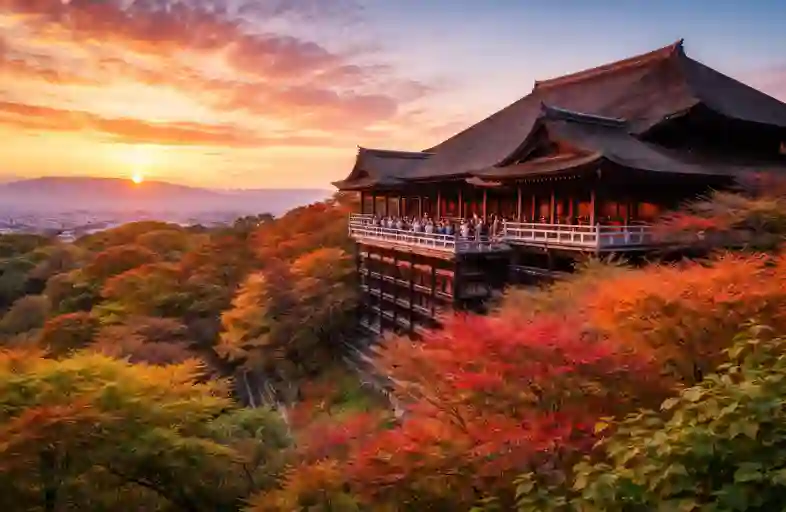
Planning a 2 day Kyoto itinerary can feel overwhelming. With hundreds of temples, historic streets, and scenic districts, it’s hard to know what truly fits into 48 hours in Kyoto. The truth? Two days in Kyoto is enough — if you follow the right route.
This carefully planned Kyoto itinerary is built for first-time visitors, couples, photographers, and culture lovers who want to see the city’s highlights without rushing. From Fushimi Inari at sunrise to Gion at night, this guide focuses on smart timing, walkable routes, transport tips, and seasonal strategy — not just a list of places. By the end, you’ll have a stress-free, realistic, and deeply cultural 2 day Kyoto itinerary that actually works.
Quick Answer: Is 2 Days Enough for Kyoto?
Yes, 2 days in Kyoto is enough to see the main highlights if you plan smartly. A well-structured 2 day Kyoto itinerary covers Fushimi Inari, Arashiyama, Kiyomizu-dera, Gion, and Kinkaku-ji by grouping attractions by area and starting early.
How to Plan the Perfect 2 Days in Kyoto
A smooth 2-day Kyoto itinerary starts with smart planning. Kyoto is compact, but attractions are spread across districts like Higashiyama, Arashiyama, and northern temple areas. To make the most of 48 hours in Kyoto, timing and grouping locations matter more than rushing.
Best Time to Visit Kyoto
The best time to visit Kyoto depends on what you want to see. Spring and autumn are the most popular seasons, but each time of year offers something special.
- Spring (March–April): Famous for the Kyoto cherry blossom season. Parks and temples look magical, but crowds are high.
- Autumn (November): Bright red and orange leaves create stunning views, especially around Kiyomizu-dera and Tofuku-ji.
- Winter (December–February): Fewer tourists, peaceful temple visits, and occasional snow at Kinkaku-ji.
- Summer: Green landscapes and festivals, but prepare for humidity.
If your goal is fewer crowds, late winter and early summer weekdays are ideal.
Cherry Blossom vs Autumn vs Winter Strategy
For a seasonal Kyoto itinerary 2 days plan:
- Cherry Blossom Season: Visit popular spots like Fushimi Inari Taisha and the Philosopher’s Path early in the morning.
- Autumn Foliage: Schedule scenic temples like Kiyomizu-dera and Eikando in the late afternoon light.
- Winter Kyoto Travel: Focus on indoor cultural experiences like tea ceremonies and enjoy quiet temple gardens.
Seasonal planning helps you experience Kyoto at its best without feeling rushed.
Temple Opening Hours
Most temples in Kyoto open between 8:00 AM and 9:00 AM and close around 4:30–5:00 PM. Always check official websites before your trip.
For an efficient Kyoto sightseeing plan, start early. Visiting major landmarks like Arashiyama Bamboo Grove at sunrise makes a big difference.
Crowd Avoidance Timing Strategy
Crowds peak between 10:30 AM and 3:30 PM, especially at top attractions. To improve your Kyoto weekend itinerary, follow this simple rule:
- Morning: Famous temples and shrines
- Midday: Lunch and walking districts
- Late afternoon: Scenic viewpoints
- Evening: Gion, Pontocho, relaxed areas
This strategy makes your Kyoto travel route smoother and less stressful.
Sunrise vs Sunset Optimization
If you only have two days in Kyoto, timing matters:
- Sunrise: Best for Fushimi Inari and Arashiyama Bamboo Grove
- Sunset: Perfect at Kiyomizu-dera or along the Kamogawa River
Smart timing turns a simple Kyoto walking itinerary into a memorable experience.
Kyoto Travel Logistics Made Simple

You might also like: 4 Day Dubai Itinerary
Transportation planning is key for a smooth Kyoto 2 day itinerary. The city is easy to navigate if you understand how it works.
Is Kyoto Walkable?
Yes, Kyoto is walkable, but only within certain districts. Areas like Higashiyama, Gion, and Downtown Kawaramachi are perfect for exploring on foot. However, major attractions such as Arashiyama and Kinkaku-ji require public transport.
For a well-organized Kyoto itinerary without a car, combine walking clusters with short train or bus rides. Most travelers do not need to rent a car.
Kyoto Bus vs Train — Which Is Better?
Both are useful, but they serve different purposes:
- Buses: Reach temples not connected by train lines (like Kinkaku-ji).
- Trains: Faster and more reliable during busy hours, especially to Arashiyama and Fushimi Inari.
For an efficient Kyoto travel itinerary, use trains for long distances and buses for short temple routes.
Best 2-Day Transport Pass
For a short stay, consider:
- ICOCA IC Card (reloadable and convenient)
- Kyoto Bus & Subway 1-Day Pass (if you plan multiple rides)
If you have a JR Pass, you can use it on JR lines like the train to Fushimi Inari and Arashiyama.
Choosing the right pass helps keep your Kyoto trip cost breakdown under control.
Kyoto Itinerary Without a Car
You absolutely do not need a car for a Kyoto weekend itinerary. Public transport is reliable, and parking is limited. Trains and buses connect all major attractions. In fact, driving can slow you down due to narrow streets and traffic near temples.
IC Card Tips
An IC card like ICOCA makes your trip easier:
- Tap in and out quickly
- Avoid buying single tickets each time
- Use it at vending machines and convenience stores
For a stress-free Kyoto sightseeing plan, an IC card is one of the smartest small decisions you can make.
What to Pack for a 2 Day Kyoto Trip
Essentials
- Comfortable walking shoes (non-slip)
- Lightweight layers
- Compact umbrella
- Reusable water bottle
- Power bank
Seasonal
- Spring/Autumn: light jacket
- Summer: breathable clothing
- Winter: warm layers + gloves
Sunrise at Fushimi Inari Taisha
No 2 day Kyoto itinerary is complete without visiting Fushimi Inari Taisha. Famous for its endless rows of bright red torii gates, this shrine is one of the most iconic places in any Kyoto itinerary 2 days plan.
How Far to Hike
You don’t need to hike the entire mountain.
- The full loop takes about 2–3 hours.
- Most travelers walk 30–60 minutes up to enjoy quieter paths and good views.
Even a short walk gives you the magical tunnel effect of the gates.
Photo Strategy
For the best photos:
- Go early morning to avoid crowds.
- Walk slightly uphill where fewer people stop.
- Frame your shot along the curve of the gates for depth.
This is one of the best Kyoto photo spots, especially at sunrise.
Best Arrival Time
Arrive between 7:00–8:00 AM.
After 9:30 AM, tour groups begin arriving. Starting early makes your Kyoto walking itinerary peaceful and relaxed.
Higashiyama Cultural Corridor Walk
After Fushimi Inari, head to Higashiyama, one of the most beautiful and traditional areas in Kyoto. This district is perfect for a slow Kyoto sightseeing plan filled with wooden streets and temple views.
Sannenzaka & Ninenzaka
These historic streets are lined with:
- Tea houses
- Souvenir shops
- Small cafes
The preserved wooden buildings make it feel like old Japan. Walk slowly and enjoy the atmosphere — this is a highlight of any Kyoto travel itinerary.
Yasaka Shrine
Located near Gion, Yasaka Shrine is free to enter and open 24 hours. It’s especially beautiful in the early morning light. The shrine connects perfectly with your Kyoto 2 day walking route.
Hidden Alleys Most Tourists Miss
Step away from the main streets. Small side alleys often lead to:
- Quiet mini temples
- Local craft shops
- Peaceful courtyards
Exploring these areas adds depth to your Kyoto hidden gems experience.
Lunch in Traditional Kyoto
Midday is the perfect time to recharge during your two days in Kyoto.

Kaiseki
Kaiseki is traditional multi-course Japanese dining. It focuses on seasonal ingredients and presentation. While it can be expensive, it offers a deep cultural experience.
This is ideal for travelers wanting a more refined Kyoto food guide experience.
Nishiki Market Options
For something casual, visit Nishiki Market. Known as “Kyoto’s Kitchen,” it offers:
- Fresh seafood
- Matcha sweets
- Local snacks
It’s a fun stop in your Kyoto weekend itinerary.
Vegetarian-Friendly Picks
Kyoto has strong Buddhist roots, so vegetarian food is common. Look for:
- Shojin-ryori (temple cuisine)
- Tofu-based dishes
- Matcha desserts
Great option for a Kyoto itinerary for first-timers who want local flavors.
Afternoon at Kiyomizu-dera
In the afternoon, head to Kiyomizu-dera, one of Kyoto’s most famous temples and a UNESCO World Heritage Site.
Viewing Platform Tips
The large wooden stage offers panoramic views over Kyoto.
- Visit later in the afternoon for softer light.
- Stand near the edge for wide-angle city shots.
During autumn, the red leaves make this one of the best spots in a Kyoto autumn itinerary.
Cultural Context (Short History)
Founded in 778, Kiyomizu-dera is known for its wooden structure built without nails. The name means “Pure Water Temple,” referring to the sacred waterfall below.
Adding small historical details strengthens your Kyoto travel guide and gives your trip deeper meaning.
Evening in Gion & Pontocho Alley
End your first day in Gion, Kyoto’s famous geisha district. This area feels magical after sunset and is perfect for your Kyoto weekend itinerary.

Where to Eat
Head to Pontocho Alley, a narrow street along the Kamogawa River. You’ll find:
- Traditional Japanese restaurants
- Cozy izakayas
- River-view dining (in summer)
This area is a must in any Kyoto food itinerary.
Geisha Etiquette
If you see a geisha (or maiko):
- Do not block their path
- Avoid flash photography
- Be respectful
Understanding etiquette improves your Kyoto cultural experience.
Romantic Dinner Options
For couples planning a romantic Kyoto itinerary, choose:
- Riverside dining in Pontocho
- Candle-lit kaiseki restaurants
- Quiet tatami seating rooms
The peaceful evening atmosphere makes Gion the perfect end to Day 1 of your 2 day Kyoto itinerary.
Early Morning in Arashiyama
Start Day 2 of your 2 day Kyoto itinerary in Arashiyama, one of the most scenic areas in the city. Located in western Kyoto, this district combines nature, temples, and peaceful riverside views. Arriving early makes your Kyoto travel itinerary feel calm and smooth.
Bamboo Grove Timing
The Arashiyama Bamboo Grove is one of the most photographed spots in Japan.
To avoid heavy crowds:
- Arrive between 7:00–8:00 AM
- Walk toward the north end for fewer people
- Avoid midday tour groups
Early timing turns this popular stop into a peaceful highlight of your Kyoto walking itinerary.
Tenryu-ji Gardens
Just next to the Bamboo Grove is Tenryu-ji Temple, a UNESCO World Heritage Site. Its Zen garden is beautifully designed around a pond with mountain views.
This is a perfect example of traditional Japanese landscape design, and it adds cultural depth to your Kyoto sightseeing plan.
Plan to spend about 30–45 minutes here.
Optional Monkey Park
If you want something different, hike up to Iwatayama Monkey Park.
- The walk takes about 20 minutes uphill.
- At the top, you’ll see wild monkeys and enjoy panoramic city views.
This is a great option for a Kyoto itinerary with kids or travelers who enjoy nature.
River Walk Alternative
If you prefer something slower, take a peaceful walk along the Katsura River. The wooden Togetsukyo Bridge area is especially beautiful in spring and autumn.
This relaxed experience balances temple visits and prevents “temple fatigue” during your 48 hours in Kyoto.
Zen Garden Philosophy at Ryoan-ji
After Arashiyama, head north to Ryoan-ji, home to Kyoto’s most famous rock garden. It’s a quieter stop that adds meaning to your Kyoto cultural itinerary.

Why It’s Unique
Ryoan-ji features 15 stones arranged on white gravel. Interestingly, you can only see 14 stones at one time, no matter where you stand.
This mystery makes it one of the most famous Zen gardens in Japan.
Cultural Meaning (Authority Layer)
The garden represents simplicity and meditation. Zen philosophy encourages quiet reflection rather than explanation. Spending even 20–30 minutes here gives your Kyoto itinerary 2 days a deeper cultural layer beyond just sightseeing.
Golden Pavilion (Kinkaku-ji) Photo Strategy
Next, visit Kinkaku-ji, also known as the Golden Pavilion. Covered in gold leaf, it reflects beautifully in the surrounding pond.
This is one of the most iconic landmarks in any Kyoto 2 day itinerary.
Best Angles
- Take photos from the main pond viewpoint.
- Slightly move left or right for fewer people in the frame.
- Visit earlier in the day for softer lighting.
Autumn leaves or winter snow make this even more magical.
How Long to Spend
You only need about 45–60 minutes here. The walking route is one-way, so it’s easy to follow and fits well into your efficient Kyoto travel route.
Optional Cultural Experiences
If you have extra time in your two days in Kyoto, consider adding one cultural activity.
Tea Ceremony
A traditional tea ceremony in Kyoto offers insight into Japanese hospitality and ritual. It’s calm, elegant, and deeply cultural.
Cooking Class
Join a local cooking class to learn:
- Sushi preparation
- Tempura
- Kyoto-style home dishes
This adds hands-on depth to your Kyoto food guide experience.
Kimono Rental
Wearing a kimono while walking through Gion or Higashiyama creates beautiful photos and connects you to Kyoto’s traditional atmosphere.
Food Tour
An evening Kyoto food tour introduces you to:
- Izakayas
- Local sweets
- Hidden restaurants
This is perfect for travelers who want more than a basic Kyoto weekend itinerary.
5 Less Crowded Kyoto Alternatives
If you want to avoid tourist-heavy areas, these Kyoto hidden gems offer quieter beauty.
Otagi Nenbutsu-ji
Located near Arashiyama, this temple features hundreds of unique stone statues with playful expressions. It’s peaceful and rarely crowded.
Nanzen-ji
A large temple complex with beautiful gardens and a famous brick aqueduct. It’s a perfect stop for a slower Kyoto sightseeing plan.
Shoren-in
Known for its glowing blue night illuminations and tranquil garden. A calm alternative near Higashiyama.
Kurama
A mountain village north of Kyoto. Ideal for hiking and hot springs. It adds variety to your Kyoto itinerary without a car, as it’s accessible by train.
Philosopher’s Path Early Morning Strategy
The Philosopher’s Path is beautiful during cherry blossom season. Visit around 7:00 AM for peaceful walking and soft light. This quiet route enhances your Kyoto walking itinerary and helps you experience the city beyond the main crowds.
Kyoto Itinerary for First Timers
If this is your first time in Kyoto, focus on the essentials. A simple and efficient Kyoto itinerary 2 days should include:
- Fushimi Inari Taisha
- Higashiyama District
- Kiyomizu-dera
- Arashiyama Bamboo Grove
- Kinkaku-ji (Golden Pavilion)
- Gion District
Stick to a clear Kyoto walking itinerary grouped by area to avoid wasting time on transport. Start early, move at a steady pace, and avoid trying to see every temple. Two days in Kyoto is about the highlights, not rushing.
For first-timers, staying near Kyoto Station or Downtown Kawaramachi makes transport easier and keeps your Kyoto travel itinerary smooth.
Romantic 2 Day Kyoto Itinerary
Kyoto is one of Japan’s most romantic cities. If you’re planning a romantic Kyoto itinerary, focus on atmosphere and slower moments.

- Sunrise at Fushimi Inari
- Sunset at Kiyomizu-dera
- Evening walk through Gion
- Dinner in Pontocho Alley with river views
Add a private tea ceremony or a refined kaiseki dinner for a special touch. Staying in Gion or a traditional ryokan makes your Kyoto weekend itinerary feel intimate and memorable.
Kyoto on a Budget
A Kyoto itinerary without overspending is very possible. Many major attractions are free or inexpensive.
Budget tips:
- Visit free sites like Fushimi Inari and Yasaka Shrine
- Eat at Nishiki Market or small ramen shops
- Use an IC card instead of taxis
- Stay near Kyoto Station for affordable hotels
Temple entry fees usually range between ¥400–¥600, so your Kyoto trip cost breakdown can stay reasonable.
Two days in Kyoto can be affordable if you plan smart transport and simple meals.
Kyoto with Kids
Traveling with family? A well-paced Kyoto 2 day itinerary works best.
Kid-friendly ideas:
- Short hike at Fushimi Inari
- Arashiyama Monkey Park
- River walk near Togetsukyo Bridge
- Interactive food tasting at Nishiki Market
Avoid planning too many temples back-to-back. Mix cultural stops with outdoor spaces. Kyoto’s train system makes a Kyoto itinerary without a car easy for families.
Kyoto for Photographers
If photography is your goal, timing is everything.
Best sunrise spots:
- Fushimi Inari Taisha
- Arashiyama Bamboo Grove
Best sunset views:
- Kiyomizu-dera
- Kamogawa River
Seasonal photography:
- Cherry blossom season along the Philosopher’s Path
- Autumn foliage at Kiyomizu-dera and Eikando
- Snow at Kinkaku-ji in winter
A photographer-focused Kyoto travel guide should prioritize light, not just location.
WHERE TO STAY IN KYOTO
Choosing the right area improves your entire 2 day Kyoto itinerary. Since you only have 48 hours in Kyoto, location matters.
Best Areas to Stay for 2 Days
Kyoto Station (Transport Efficiency)
Best for convenience.
- Direct train access
- Easy airport transfers
- Close to buses
Ideal for first-time visitors following a structured Kyoto travel route.
Gion (Atmosphere)
Perfect for traditional charm.
- Wooden streets
- Close to Higashiyama and Kiyomizu-dera
- Walking distance to evening dining
Great for a romantic Kyoto itinerary or cultural experience.
Downtown Kawaramachi (Central Location)
A balanced choice.
- Near shopping and restaurants
- Walking distance to Nishiki Market
- Good train connections
Excellent for a flexible Kyoto weekend itinerary.
Arashiyama (Quiet Retreat)
Best for peaceful stays.
- Scenic riverside views
- Fewer crowds at night
- Nature-focused atmosphere
However, it’s slightly farther from central Kyoto, so plan transport carefully.
Budget vs Mid-Range vs Luxury Hotel Suggestions
Budget Options:
- Business hotels near Kyoto Station
- Capsule hotels
- Guesthouses
Mid-Range:
- Boutique hotels in Kawaramachi
- Modern stays near Gion
Luxury:
- Traditional ryokan stays with tatami rooms
- Riverside hotels in Pontocho
- High-end properties with garden views
Your accommodation choice shapes your overall Kyoto travel itinerary, so choose based on convenience and atmosphere.
How Much Does 2 Days in Kyoto Cost?

One of the most common questions for any 2 day Kyoto itinerary is: Is Kyoto expensive?
The truth is, Kyoto can fit different budgets. Your total cost depends on where you stay, how you eat, and which experiences you choose.
Here’s a simple Kyoto trip cost breakdown to help you plan your 48 hours in Kyoto wisely.
Accommodation Range
Hotel prices vary by season, especially during cherry blossom and autumn foliage.
- Budget: ¥6,000–¥12,000 per night (business hotels, hostels)
- Mid-range: ¥12,000–¥25,000 per night (boutique hotels, modern stays)
- Luxury / Ryokan: ¥30,000+ per night (traditional inns with dinner included)
Staying near Kyoto Station is usually more affordable than Gion.
Food Budget
Kyoto offers both simple street food and fine dining.
- Budget meals (ramen, donburi): ¥800–¥1,200
- Mid-range restaurant: ¥1,500–¥3,000
- Kaiseki dinner: ¥8,000–¥20,000+
For a balanced Kyoto food itinerary, you can mix casual lunches at Nishiki Market with one special dinner in Pontocho Alley.
Estimated daily food budget:
¥2,500–¥6,000 per person
Transport
Public transport is affordable and efficient.
- Bus/train ride: ¥200–¥300 per trip
- 1-Day Bus & Subway Pass: around ¥1,100
- ICOCA IC card: pay per ride
Most travelers spend about ¥800–¥1,500 per day on transport during a well-planned Kyoto itinerary without a car.
Temple Entry Fees
Many shrines like Fushimi Inari Taisha and Yasaka Shrine are free.
Paid temples usually cost:
- ¥400–¥600 per entry
If you visit 4–5 paid sites over two days in Kyoto, expect to spend around ¥2,000–¥3,000 total.
Cultural Experience Add-Ons
Optional experiences can increase your total cost:
- Tea ceremony: ¥2,000–¥4,000
- Cooking class: ¥6,000–¥12,000
- Kimono rental: ¥3,000–¥6,000
These activities add cultural depth to your Kyoto travel itinerary but are not required.
Estimated Total Range (Per Person, 2 Days)
Budget traveler:
¥20,000–¥35,000
Mid-range traveler:
¥35,000–¥60,000
Luxury experience:
¥70,000+
With smart planning, a Kyoto weekend itinerary does not have to be expensive.
8 Mistakes That Ruin a Kyoto Trip
Even the best Kyoto itinerary 2 days can feel stressful if you make these common mistakes.

Avoiding them will make your trip smoother and more enjoyable.
1. Starting Too Late
Kyoto’s top attractions fill up quickly. If you start after 10:00 AM, you’ll face heavy crowds at places like Fushimi Inari and Arashiyama Bamboo Grove.
Early mornings are your biggest advantage.
2. Doing Too Many Temples Back-to-Back
Temple fatigue is real. Visiting five temples in a row can feel repetitive.
Balance your Kyoto sightseeing plan with:
- Food breaks
- Scenic walks
- Cultural neighborhoods
3. Ignoring Transit Time
Kyoto looks compact on a map, but districts are spread out. Traveling from Arashiyama to Kinkaku-ji takes time.
Plan your Kyoto travel route by grouping nearby attractions.
4. Skipping Reservations
During peak seasons, popular restaurants and tea ceremonies fill up fast.
If your Kyoto weekend itinerary includes special dining, book ahead.
5. Not Checking Seasonal Closures
Some temples close early in winter. Certain gardens may have maintenance days.
Always confirm hours before finalizing your Kyoto itinerary 2 days.
6. Underestimating Walking Distance
A Kyoto walking itinerary can easily reach 15,000–20,000 steps per day.
Wear comfortable shoes and plan rest stops.
7. Visiting Bamboo Grove Mid-Day
The Arashiyama Bamboo Grove becomes extremely crowded by late morning.
Go early to enjoy the peaceful atmosphere.
8. Staying Too Far from Transport Hubs
Booking accommodation far from train or bus stations can waste valuable time. For a short 48 hours in Kyoto, convenience matters more than saving a small amount on hotels.
2 Day Kyoto Itinerary in Cherry Blossom Season
Visiting during Kyoto cherry blossom season (late March to early April) transforms your entire 2 day Kyoto itinerary. Soft pink flowers frame temples, rivers, and walking paths.
Best sakura spots to include:
- Philosopher’s Path
- Maruyama Park
- Kiyomizu-dera
- Riverbanks near Gion
Strategy:
Start early. Crowds are at their highest during blossom season. Schedule popular areas like Higashiyama in the morning and save quieter neighborhoods for midday.
Cherry blossom season makes your Kyoto itinerary 2 days visually magical, but planning and timing are essential.
Kyoto in Autumn (Best Leaf Spots)
Autumn (mid-November) is arguably the most dramatic season for a Kyoto travel itinerary. Red and gold leaves surround historic temples.
Top autumn foliage locations:
- Kiyomizu-dera
- Eikando Temple
- Nanzen-ji
- Arashiyama
For the best experience:
- Visit scenic viewpoints in late afternoon for warm lighting.
- Avoid weekends if possible.
An autumn-focused Kyoto weekend itinerary feels colorful, peaceful, and deeply cultural.
Kyoto in Winter (Snow Temple Magic)
Winter offers a quieter and more peaceful version of two days in Kyoto. Crowds drop significantly, and occasional snow at Kinkaku-ji creates stunning scenes.
Winter benefits:
- Shorter lines
- Lower hotel prices
- Calm temple visits
Focus on:
- Zen gardens
- Tea ceremonies
- Traditional indoor dining
For travelers seeking a slower and reflective Kyoto cultural itinerary, winter is ideal.
Kyoto in Summer (Heat Survival Plan)
Summer in Kyoto can be hot and humid. If your 48 hours in Kyoto fall between June and August, adjust your schedule.
Heat-smart strategy:
- Start sightseeing before 9:00 AM
- Take long indoor lunch breaks
- Visit shaded temple gardens
- Explore evening areas like Pontocho Alley
Hydration and pacing are key to keeping your Kyoto sightseeing plan enjoyable in summer.
The Most Efficient Kyoto Route Map Explained
Many travelers waste time zig-zagging across the city. A smart Kyoto itinerary without a car depends on grouping attractions by district.
Why Grouping Districts Matters
Kyoto is divided into main sightseeing zones:
- Southern Kyoto – Fushimi Inari
- Eastern Kyoto – Higashiyama, Gion, Kiyomizu-dera
- Western Kyoto – Arashiyama
- Northern Kyoto – Kinkaku-ji, Ryoan-ji
Combining nearby attractions reduces transit time and makes your Kyoto walking itinerary smoother.
Transport Shortcuts
Use trains for longer connections:
- Kyoto Station → Fushimi Inari (JR Line)
- Kyoto Station → Arashiyama (JR Line)
Buses help reach northern temples like Kinkaku-ji.
This balanced approach improves your overall Kyoto travel route.
Walking Clusters
Within districts, rely on walking:
- Higashiyama Cluster: Kiyomizu-dera → Sannenzaka → Yasaka Shrine → Gion
- Arashiyama Cluster: Bamboo Grove → Tenryu-ji → River walk
- Northern Cluster: Ryoan-ji → Kinkaku-ji
These walking clusters prevent backtracking and save energy during your 2 day Kyoto itinerary.
Kyoto 2 Day Itinerary Map (How the Route Works)
Explain in text (even without image):
- Day 1 → Southern + Eastern Kyoto
- Day 2 → Western + Northern Kyoto
- No backtracking
- Trains for long distances, walking within districts
2 Day Kyoto Itinerary At-a-Glance

Here’s your simplified, highly practical overview.
Day 1 – Eastern Kyoto Route
- Sunrise at Fushimi Inari Taisha
- Explore Higashiyama District
- Lunch at Nishiki Market
- Afternoon at Kiyomizu-dera
- Evening in Gion & Pontocho Alley
Day 2 – Western & Northern Kyoto
- Early morning in Arashiyama Bamboo Grove
- Visit Tenryu-ji
- Optional Monkey Park
- Zen reflection at Ryoan-ji
- Photo stop at Kinkaku-ji
Estimated Daily Budget
- Budget traveler: ¥10,000–¥18,000 per day
- Mid-range: ¥18,000–¥30,000 per day
- Luxury: ¥35,000+ per day
Total Walking Time
Expect:
- 15,000–20,000 steps per day
- Around 4–6 hours of active exploration
Wear comfortable shoes and plan short rest breaks.
FAQs About 2 Day Kyoto Itinerary
Is 2 days enough for Kyoto?
Yes, 2 days in Kyoto is enough to see the main highlights if you follow a smart route. A well-planned 2 day Kyoto itinerary lets you visit Fushimi Inari, Arashiyama, Kiyomizu-dera, Gion, and Kinkaku-ji without rushing. The key is starting early and grouping attractions by district.
What should I not miss in Kyoto?
You should not miss Fushimi Inari Taisha, Arashiyama Bamboo Grove, Kiyomizu-dera, Gion District, and Kinkaku-ji (Golden Pavilion). These landmarks define any strong 2-day Kyoto itinerary and give you a mix of temples, culture, nature, and traditional atmosphere.
Is Kyoto expensive?
Kyoto can fit different budgets. Many shrines are free, public transport is affordable, and casual meals are reasonably priced. A budget traveler can complete a Kyoto weekend itinerary comfortably, while luxury travelers can choose ryokan stays and kaiseki dining.
Is Kyoto better than Osaka?
Kyoto and Osaka offer different experiences. Kyoto focuses on temples, tradition, and historic districts. Osaka is more modern and known for nightlife and street food. For culture and history, Kyoto stands out. For energy and entertainment, Osaka may feel more exciting.
What is the best month to visit Kyoto?
The best months to visit Kyoto are late March to early April for cherry blossoms and mid to late November for autumn foliage. These seasons offer beautiful scenery but also higher crowds. Winter is quieter and ideal for a peaceful Kyoto travel itinerary.
Can you see Kyoto without a car?
Yes, you can easily explore Kyoto without a car. The city has efficient buses and train lines connecting major districts like Higashiyama and Arashiyama. A well-organized Kyoto itinerary without a car is simple and often more convenient than driving.
How many temples should you visit in one day?
For a balanced experience, visit 2–3 temples per day. Seeing too many can feel repetitive and tiring. Mixing temples with neighborhoods, markets, and scenic walks creates a smoother and more enjoyable Kyoto sightseeing plan.
FINAL DECISION FRAMEWORK
Is This 2 Day Kyoto Itinerary Right for You?
This 2 day Kyoto itinerary works best if you are:
First-time Japan visitors
You want to see the most iconic temples and districts in a short time.
Culture lovers
You enjoy history, Zen gardens, tea ceremonies, and traditional architecture.
Photographers
You plan around sunrise, sunset, and seasonal beauty like cherry blossoms or autumn leaves.
Fast-paced travelers
You are comfortable walking 15,000–20,000 steps daily and starting early.
Romantic travelers
You love atmospheric streets, riverfront dining, and peaceful temple views.