
Planning a trip to Kyoto, Japan, can feel exciting but also a little overwhelming. The city is full of historic temples, peaceful gardens, traditional streets, and incredible food, so deciding what to see first can be difficult. That’s why having a clear 5 days in Kyoto trip itinerary can make your travel experience much easier.
In this guide, you’ll find a simple and well-organized Kyoto 5-day itinerary designed especially for first-time visitors. Instead of rushing between places, this Kyoto travel itinerary helps you explore the city step by step while enjoying its culture and beauty. From the famous Fushimi Inari Shrine and Arashiyama Bamboo Forest to charming streets in Gion and delicious food at Nishiki Market, this Kyoto itinerary covers the best highlights. Whether you are planning your first trip to Kyoto or looking for the perfect Kyoto travel guide, this itinerary will help you experience the city in the most memorable way.
Quick Answer: 5 Days in Kyoto Trip Itinerary
A 5-day trip in Kyoto is enough time to explore the city’s most famous temples, historic districts, cultural experiences, and nearby attractions without rushing. With a well-planned Kyoto 5-day itinerary, you can divide the city into different areas and explore them day by day.
Here is a simple overview of the Kyoto travel itinerary for 5 days:
- Day 1: Arrival in Kyoto, explore Downtown Kyoto, visit Nishiki Market, and walk through the Gion District in the evening.
- Day 2: Discover Higashiyama temples, including Kiyomizu-dera Temple, Yasaka Shrine, and the historic streets of Sannenzaka and Ninenzaka.
- Day 3: Visit the famous Fushimi Inari Shrine and explore Southern Kyoto, including Tofuku-ji Temple and the Fushimi sake district.
- Day 4: Spend the day in Arashiyama, visiting the Arashiyama Bamboo Grove, Tenryu-ji Temple, and Monkey Park.
- Day 5: Walk the Philosopher’s Path, see Ginkaku-ji Temple, and enjoy shopping and cafés in Kyoto.
This Kyoto itinerary for first-time visitors balances iconic attractions, cultural experiences, and relaxing exploration, making it one of the best ways to experience Kyoto in 5 days.
Kyoto 5 Day Itinerary Overview
Kyoto is one of the most beautiful and culturally rich cities in Japan, known for its ancient temples, peaceful gardens, traditional streets, and historic shrines. With hundreds of attractions spread across different districts, planning your trip carefully is important. A well-structured Kyoto 5 day itinerary allows travelers to explore the city at a comfortable pace while experiencing its most famous landmarks, cultural experiences, and hidden gems.
This Kyoto travel itinerary is designed to help you organize your days efficiently. Instead of rushing between attractions, the plan groups places by location so you can explore Kyoto’s main districts without spending too much time traveling across the city.
Whether you are visiting for the first time or returning to discover more of the city, this 5 days in Kyoto itinerary helps you see the highlights while also enjoying the relaxed atmosphere that makes Kyoto special.
Why 5 Days Is Perfect for Kyoto
Many travelers wonder how many days they should spend in Kyoto. In reality, five days is the ideal amount of time to explore the city properly. Kyoto has more than 1,000 temples and shrines, along with historic neighborhoods, scenic nature areas, and unique cultural experiences.
With a 5 day Kyoto itinerary, you can visit the city’s most famous attractions such as Fushimi Inari Shrine, Kiyomizu-dera Temple, and the Arashiyama Bamboo Forest while also exploring traditional districts like Gion and Higashiyama. This timeframe also allows you to take a day trip to Nara, one of Japan’s most popular nearby destinations.
Spending five days in Kyoto gives you enough time to experience the history, culture, food, and natural beauty of the city without feeling rushed.
What This Kyoto Itinerary Covers
This Kyoto itinerary for first-time visitors focuses on the most important places travelers want to see while also including a few hidden gems and cultural experiences. The guide highlights Kyoto’s top temples, historic streets, traditional markets, and scenic districts so you can experience the city from different perspectives.
You’ll visit famous landmarks like Fushimi Inari Shrine, walk through the peaceful paths of Arashiyama Bamboo Grove, explore the traditional streets of Higashiyama, and taste local food at Nishiki Market. The itinerary also includes relaxing walks through Philosopher’s Path and opportunities to enjoy Kyoto’s traditional tea culture.
By following this Kyoto travel guide, you’ll be able to experience both the iconic attractions and the authentic atmosphere that make Kyoto one of the most unforgettable cities in the world
Quick Overview of the 5 Day Travel Plan
Here is a simple breakdown of how the Kyoto travel itinerary for 5 days is organized:
1: Arrive in Kyoto and explore Downtown Kyoto, including Nishiki Market, Teramachi Shopping Street, and an evening walk through the historic Gion District.
2: Discover the temples and historic streets of Higashiyama, including Kiyomizu-dera Temple, Yasaka Shrine, and the beautiful walking streets of Sannenzaka and Ninenzaka.
3: Visit the iconic Fushimi Inari Shrine, hike through the famous torii gate paths, and explore the nearby Fushimi sake district.
4: Spend the day in Arashiyama, one of Kyoto’s most scenic areas, home to the Arashiyama Bamboo Forest, Tenryu-ji Temple, and Arashiyama Monkey Park.
5: Enjoy a relaxing day visiting Philosopher’s Path, Ginkaku-ji Temple, and finishing your trip with shopping, cafés, and cultural experiences in Kyoto.
This structure creates a balanced Kyoto sightseeing itinerary that combines temples, culture, nature, food, and local neighborhoods for a complete Kyoto experience.
How to Plan the Perfect Kyoto Trip
You might also like: Best Patagonia Itinerary 5 Days
Planning a trip to Kyoto, Japan becomes much easier when you understand how the city is organized. Kyoto is filled with historic temples, cultural landmarks, traditional streets, and scenic nature spots, but many of these attractions are spread across different areas. Without a proper plan, travelers often waste time moving back and forth between districts.
A smart Kyoto travel itinerary focuses on exploring places by area. This means visiting nearby attractions on the same day rather than traveling across the city multiple times. When you follow a well-organized Kyoto sightseeing itinerary, you can see famous locations like Fushimi Inari Shrine, Arashiyama Bamboo Forest, and Kiyomizu-dera Temple while still having time to enjoy the city’s atmosphere.
The goal of this Kyoto travel guide is to help you organize your days in a simple way so that your 5 days in Kyoto itinerary feels relaxed, efficient, and memorable.
How Many Days You Need in Kyoto
Many travelers ask the same question: how many days should you spend in Kyoto? While it’s possible to see a few highlights in two or three days, the best experience comes from spending at least five days in Kyoto.
Kyoto is not just a city of temples. It is a destination filled with historic districts, traditional markets, scenic gardens, and cultural experiences. With a proper Kyoto 5 day itinerary, you have enough time to explore the most famous landmarks while also discovering the quieter side of the city.
Five days allows you to visit important attractions such as Kiyomizu-dera Temple, Fushimi Inari Shrine, and the Arashiyama Bamboo Grove, explore neighborhoods like Gion and Higashiyama, and even take a day trip to Nara. This schedule creates a balanced Kyoto travel itinerary for first-time visitors, combining sightseeing, food, culture, and relaxation.
Understanding Kyoto’s Main Districts
Before starting your Kyoto trip itinerary, it helps to understand the city’s main districts. Each area has its own atmosphere and attractions, and knowing these areas will make your Kyoto travel planning much easier.
Downtown Kyoto is the modern center of the city. It is known for shopping streets, restaurants, and famous places like Nishiki Market. This area is perfect for food lovers and evening walks.
Higashiyama, located in Eastern Kyoto, is one of the most historic areas in the city. Here you’ll find traditional streets, beautiful temples, and famous landmarks such as Kiyomizu-dera Temple and Yasaka Shrine.
Arashiyama, on the western side of Kyoto, is famous for natural scenery. The area is home to the Arashiyama Bamboo Forest, Tenryu-ji Temple, and scenic views around Togetsukyo Bridge.
Finally, Southern Kyoto is known for the iconic Fushimi Inari Shrine, famous for its thousands of red torii gates. This area also includes Tofuku-ji Temple and the historic Fushimi sake district.
Understanding these districts helps you build a logical Kyoto sightseeing itinerary that reduces travel time and improves your experience.
How to Organize Your Kyoto Travel Route
The best way to organize your Kyoto travel route is by grouping attractions by location. Many first-time visitors make the mistake of visiting attractions randomly, which leads to unnecessary travel across the city.
A smarter Kyoto travel itinerary for 5 days focuses on exploring one district per day. For example, you can spend one day in Higashiyama visiting temples, another day in Arashiyama exploring nature, and another day discovering Southern Kyoto and Fushimi Inari Shrine.
This strategy not only saves time but also allows you to enjoy each area more deeply. Walking through traditional streets, stopping at cafés, and exploring local shops becomes much easier when attractions are nearby.
By following this organized approach, your 5 day Kyoto itinerary becomes smoother, more enjoyable, and far less stressful.
Kyoto Travel Map and City Layout
Understanding the Kyoto travel map is one of the most helpful things you can do before starting your trip. Kyoto is relatively compact, but its attractions are spread across different districts. Knowing where each area is located helps you build a smarter Kyoto sightseeing itinerary and avoid unnecessary travel time.
Most of the city’s major attractions are grouped into four main areas: Downtown Kyoto, Eastern Kyoto (Higashiyama), Arashiyama, and Southern Kyoto (Fushimi). Each district offers a different type of experience, from historic temples to scenic nature and traditional neighborhoods. When you follow a district-based Kyoto itinerary, you can explore the city in a logical way while enjoying the culture, history, and beauty that make Kyoto famous.
Downtown Kyoto
Downtown Kyoto is the heart of the city and one of the most convenient places for travelers. This area is known for shopping streets, restaurants, cafés, and lively markets. It’s also where many visitors begin their Kyoto travel itinerary.
The highlight of this district is Nishiki Market, a famous food street filled with local snacks, fresh seafood, and traditional Japanese dishes. Nearby streets such as Teramachi and Shinkyogoku Shopping Street are perfect for exploring local shops and souvenirs.
Downtown Kyoto is also close to Pontocho Alley, a narrow street famous for its traditional restaurants and evening atmosphere. Because of its central location and vibrant energy, this district is often the starting point for many Kyoto sightseeing itineraries.
Eastern Kyoto (Higashiyama District)
Higashiyama is one of the most beautiful and historic areas of Kyoto. This district is famous for its traditional streets, temples, shrines, and cultural landmarks. Many of the city’s most iconic attractions are located here.
The main highlight is Kiyomizu-dera Temple, one of the most famous temples in Japan. Nearby streets like Sannenzaka and Ninenzaka offer charming traditional buildings, souvenir shops, and tea houses that create an unforgettable atmosphere.
You can also visit Yasaka Shrine and explore the nearby Gion District, known for its historic streets and traditional geisha culture. Because of its cultural importance, Higashiyama is often the highlight of any Kyoto travel itinerary for first-time visitors.
Arashiyama District
Located on the western side of Kyoto, Arashiyama is famous for its natural beauty and peaceful surroundings. This area is perfect for travelers who want to experience Kyoto’s scenic landscapes along with historic temples.
The most famous attraction here is the Arashiyama Bamboo Grove, where tall bamboo trees create a beautiful and peaceful walking path. The district is also home to Tenryu-ji Temple, a UNESCO World Heritage Site with stunning gardens.
Another popular attraction is Togetsukyo Bridge, which offers beautiful views of the surrounding mountains and river. Many visitors also enjoy hiking to Arashiyama Monkey Park, where you can see wild monkeys and panoramic views of Kyoto.
Because of its unique combination of nature and culture, Arashiyama is an essential stop in almost every Kyoto 5-day itinerary.
Southern Kyoto (Fushimi Area)
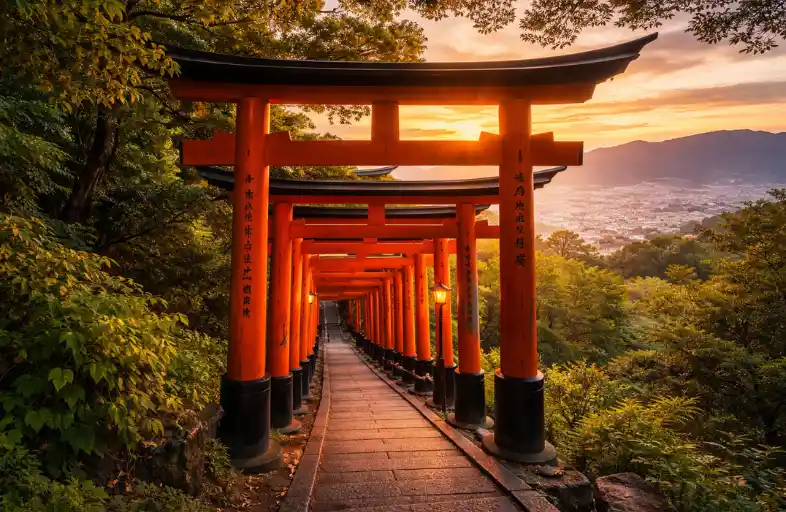
Southern Kyoto is most famous for the iconic Fushimi Inari Shrine, one of the most recognizable landmarks in Japan. The shrine is known for its thousands of bright red torii gates, which form a scenic hiking trail up the mountain. Walking through the torii gates is one of the most unforgettable experiences in Kyoto, and it is often considered a must-see attraction in any Kyoto trip itinerary.
The area also includes Tofuku-ji Temple, a beautiful Zen temple known for its gardens and autumn foliage. Nearby, the Fushimi sake district offers a chance to explore traditional sake breweries and learn about Kyoto’s historic sake production. Because of these unique cultural experiences, Southern Kyoto adds an important cultural element to a well-balanced Kyoto travel itinerary.
Things to Know Before Visiting Kyoto
Before starting your 5 days in Kyoto itinerary, it helps to understand a few important cultural and practical tips. Kyoto is one of the most historic cities in Japan, and many of its temples, shrines, and traditional neighborhoods follow customs that travelers may not be familiar with.
Knowing these small details will make your Kyoto travel experience smoother and more respectful. It also helps you avoid common problems that many first-time visitors face while exploring famous places like Fushimi Inari Shrine, Kiyomizu-dera Temple, and the Gion District.
By understanding local etiquette, payment methods, and simple communication tips, your Kyoto trip itinerary will feel more comfortable and enjoyable from the moment you arrive.
Temple Etiquette and Cultural Rules
Kyoto is home to over a thousand temples and shrines, so respecting local customs is an important part of visiting the city. Many of these places are active religious sites, not just tourist attractions.
When visiting temples such as Kiyomizu-dera Temple or Tenryu-ji Temple, it’s important to speak quietly and keep the atmosphere peaceful. Photography is usually allowed outdoors, but some temple interiors may prohibit photos.
At Shinto shrines like Fushimi Inari Shrine, visitors often wash their hands at the purification fountain before entering the shrine area. This simple ritual shows respect for local traditions.
You should also avoid touching sacred objects, blocking pathways, or entering restricted areas. Following these simple rules helps preserve the cultural beauty that makes Kyoto’s temples and shrines so special.
Cash vs Card in Kyoto
Although Japan is a modern country, many small businesses in Kyoto still prefer cash payments. While large hotels and department stores accept credit cards, smaller restaurants, local markets, and traditional shops may not.
Places like Nishiki Market or small cafés in Gion sometimes accept only cash, so it is always helpful to carry some Japanese yen during your trip.
Convenience stores and train stations usually have ATMs that accept international cards, making it easy to withdraw money if needed. Planning ahead will make your Kyoto travel itinerary smoother and prevent unnecessary stress when paying for food, transport, or souvenirs.
Language Tips for Travelers
Many travelers worry about the language barrier when visiting Kyoto, Japan, but communication is usually easier than expected. In tourist areas, hotel staff and many restaurant workers understand basic English.
Still, learning a few simple Japanese phrases can make your experience more enjoyable. Saying “Arigatou” (thank you) or “Sumimasen” (excuse me) shows respect and appreciation for local culture.
Using translation apps on your phone can also help when reading menus or asking for directions. Even though English signs are common around major attractions like Arashiyama Bamboo Forest and Fushimi Inari Shrine, having a translation tool can make your Kyoto travel planning much easier.
Tourist Mistakes to Avoid
Many visitors make small mistakes when planning their Kyoto sightseeing itinerary, which can affect their overall experience.
One common mistake is visiting popular attractions too late in the day. Places like Fushimi Inari Shrine and Arashiyama Bamboo Grove can become extremely crowded by mid-morning. Arriving early helps you enjoy these locations in a calmer atmosphere.
Another mistake is underestimating walking distances. Kyoto has excellent public transportation, but many temple areas require walking between locations. Wearing comfortable shoes is essential for a successful Kyoto trip itinerary.
Finally, many travelers try to visit too many temples in one day. Kyoto has hundreds of beautiful temples, but focusing on a few highlights allows you to appreciate each place more deeply.
The Complete 5 Days in Kyoto Itinerary
Now that you understand how to plan your trip and what to expect when visiting Kyoto, Japan, it’s time to explore the city step by step.
This carefully designed Kyoto 5 day itinerary divides the city into different districts so you can explore nearby attractions without wasting time traveling across the city. The plan includes historic temples, scenic nature areas, traditional neighborhoods, and famous cultural landmarks.
Over the next five days, you’ll visit some of the most iconic destinations in Japan, including Fushimi Inari Shrine, Arashiyama Bamboo Forest, Kiyomizu-dera Temple, and the historic streets of Gion and Higashiyama. You’ll also discover local food at Nishiki Market, walk peaceful temple paths, and experience the traditional charm that makes Kyoto unforgettable.
By following this Kyoto travel itinerary for first-time visitors, you’ll experience the perfect balance of culture, history, food, and natural beauty while exploring the very best of Kyoto in 5 days.
Day 1: Arrival in Kyoto + Explore Downtown Kyoto
The first day of your 5 days in Kyoto itinerary should be relaxed and enjoyable, especially if you have just arrived in the city. Instead of rushing to distant attractions, it’s best to begin your Kyoto travel itinerary by exploring Downtown Kyoto, one of the liveliest areas in the city.
Downtown Kyoto is known for its local markets, traditional food, shopping streets, and historic neighborhoods. This area is perfect for getting your first impression of Kyoto’s culture and atmosphere. You can walk through famous food streets, explore small shops, and enjoy traditional Japanese dining.
Starting your Kyoto 5 day itinerary in this district allows you to adjust to the city while experiencing some of its most famous local attractions.
Nishiki Market Food Street
A great place to begin your Kyoto sightseeing itinerary is Nishiki Market, often called “Kyoto’s Kitchen.” This lively market street is filled with small food stalls, family-run shops, and traditional Japanese snacks.
At Nishiki Market, you can try local specialties such as fresh seafood, grilled skewers, matcha desserts, and traditional Japanese sweets. The market is also a great place to discover regional ingredients and Kyoto-style cuisine.
Walking through this historic market is not just about food—it’s also about experiencing the everyday culture of Kyoto, Japan. For many travelers, visiting Nishiki Market is one of the most memorable parts of their Kyoto trip itinerary.
Teramachi Shopping Street
After exploring the market, continue your walk toward Teramachi Shopping Street, one of the most popular shopping areas in Downtown Kyoto. This covered shopping arcade is perfect for browsing local stores, souvenirs, and traditional Japanese goods.
Here you’ll find everything from handmade crafts and clothing boutiques to bookstores and local snack shops. The relaxed atmosphere makes it an enjoyable stop in your Kyoto travel guide, especially for travelers who enjoy discovering unique local items.
Because it’s located near Nishiki Market, Teramachi Street fits perfectly into the first day of your Kyoto travel itinerary.
Pontocho Alley Dining
As evening approaches, head to Pontocho Alley, one of Kyoto’s most atmospheric dining streets. This narrow alley runs along the Kamogawa River and is lined with traditional restaurants, small bars, and cozy eateries.
Many of the restaurants here specialize in Kyoto-style cuisine, including fresh seafood, grilled dishes, and seasonal Japanese meals. Some restaurants even offer outdoor seating with views of the river during warmer months.
Dining in Pontocho Alley is a wonderful way to experience the traditional side of Kyoto while enjoying authentic local food. It’s a perfect addition to the first evening of your Kyoto 5 day itinerary.
Gion Evening Walk
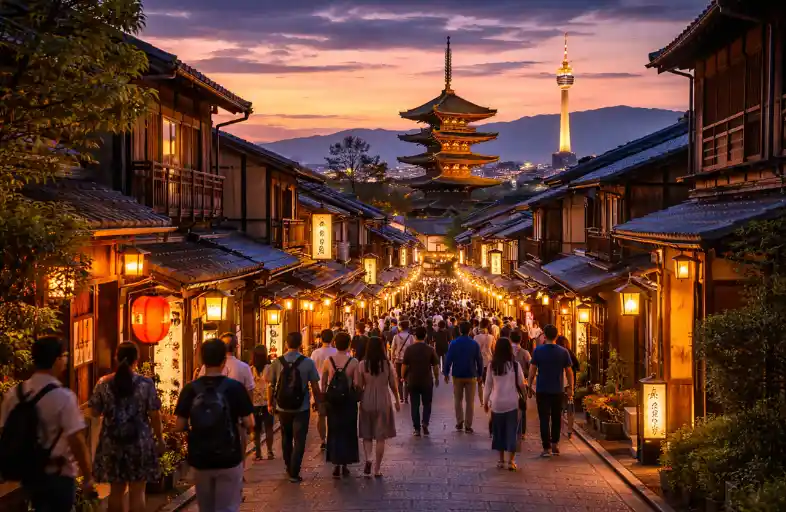
To finish your first day in Kyoto, take a short walk to the nearby Gion District, one of the city’s most famous historic neighborhoods. Known for its traditional wooden buildings and cultural heritage, Gion is often associated with geisha culture.
Walking through Gion in the evening is a special experience. The lantern-lit streets, traditional tea houses, and quiet atmosphere create a magical setting that feels like stepping back in time.
You may even spot a geiko or maiko (Kyoto’s geisha performers) on their way to evening appointments. Exploring Gion District at night is a perfect ending to the first day of your Kyoto itinerary for first-time visitors.
Day 2: Higashiyama Temples and Historic Streets
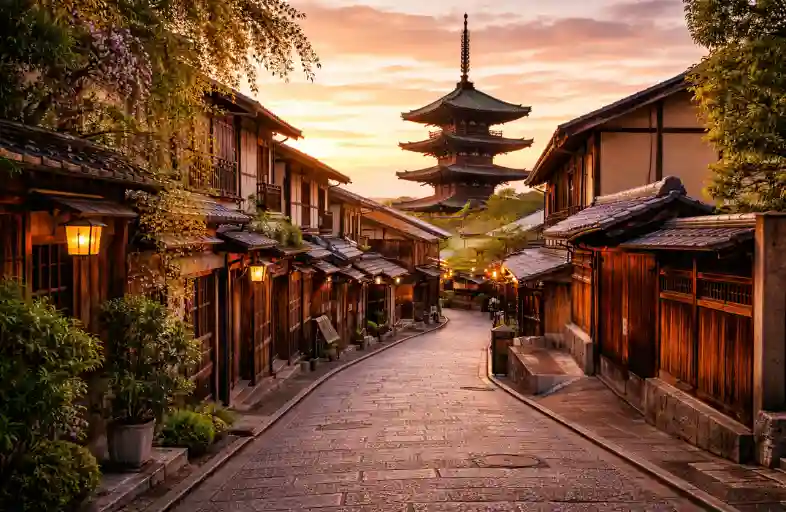
The second day of your Kyoto 5 day itinerary focuses on Higashiyama, one of the most historic and beautiful areas of Kyoto. This district is famous for its ancient temples, traditional streets, and cultural landmarks.
Many of Kyoto’s most iconic attractions are located here, making it one of the highlights of any Kyoto travel itinerary. Walking through Higashiyama allows you to experience the charm of old Kyoto, where narrow streets, wooden houses, and historic temples create a truly unforgettable atmosphere.
This part of your Kyoto sightseeing itinerary combines famous temples with scenic walking streets that perfectly capture the city’s traditional character.
Kiyomizu-dera Temple
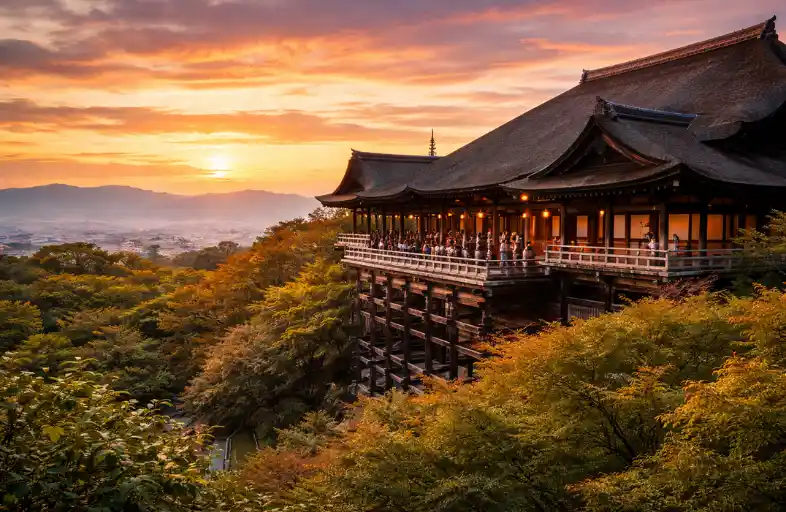
Start your day early by visiting Kiyomizu-dera Temple, one of the most famous temples in Kyoto, Japan. This historic temple sits on a hillside and offers stunning views of the surrounding city and mountains.
The temple is especially known for its large wooden stage, which extends out from the main hall and overlooks a beautiful forested valley. During spring and autumn, the scenery becomes even more spectacular with cherry blossoms or colorful fall foliage.
Because it is one of Kyoto’s most popular landmarks, arriving early helps you enjoy the peaceful atmosphere before the crowds arrive. Visiting Kiyomizu-dera Temple is an essential part of any Kyoto trip itinerary.
Sannenzaka and Ninenzaka Streets
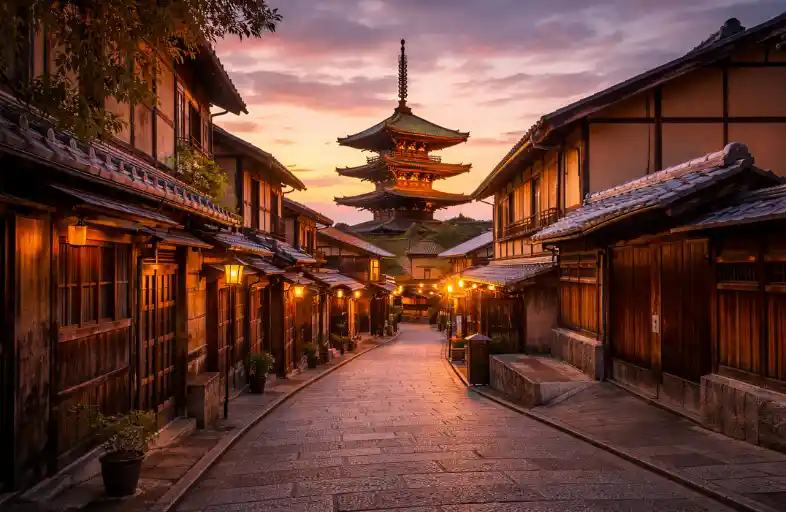
After leaving the temple, walk down the historic streets of Sannenzaka and Ninenzaka. These charming stone pathways are lined with traditional wooden buildings, souvenir shops, tea houses, and small cafés.
Walking through these streets feels like stepping into historic Kyoto. Many travelers enjoy trying matcha desserts, Japanese sweets, and traditional snacks while exploring the area.
Because of their historic atmosphere and beautiful architecture, Sannenzaka and Ninenzaka are among the most photographed places in any Kyoto travel itinerary.
Yasaka Shrine
Continue your journey to Yasaka Shrine, one of Kyoto’s most important Shinto shrines. Located at the entrance of the Gion District, this shrine is famous for its beautiful architecture and vibrant festival celebrations.
The shrine is especially lively during the evening when lanterns illuminate the main hall, creating a peaceful and beautiful setting. Visitors often stop here to admire the shrine grounds or take part in traditional rituals.
Including Yasaka Shrine in your Kyoto sightseeing itinerary allows you to experience an important part of Kyoto’s spiritual culture.
Exploring the Gion Geisha District
End your second day by exploring the historic streets of Gion, Kyoto’s most famous traditional district. Known for its preserved wooden houses and elegant atmosphere, Gion is one of the best places to experience the city’s cultural heritage.
The district is famous for its geiko and maiko, Kyoto’s traditional entertainers who perform music, dance, and cultural arts. While sightings are not guaranteed, walking through Gion’s quiet streets can sometimes offer a glimpse of this unique tradition.
Exploring the Gion Geisha District is a highlight of any Kyoto itinerary for first-time visitors, offering a beautiful blend of history, culture, and traditional architecture.
Day 3: Fushimi Inari Shrine and Southern Kyoto
The third day of your 5 days in Kyoto itinerary focuses on Southern Kyoto, an area famous for its historic shrines, beautiful temples, and traditional sake culture. This part of the city is home to one of the most recognizable landmarks in Kyoto, Japan — the incredible Fushimi Inari Shrine.
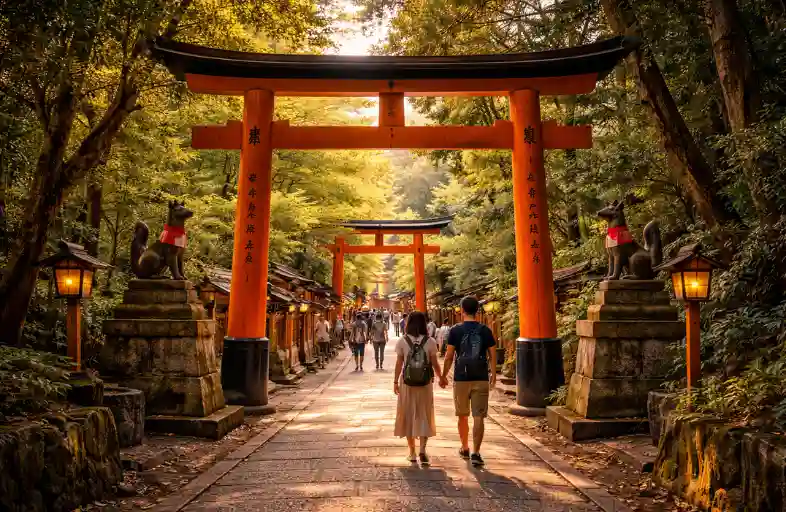
Southern Kyoto offers a mix of spiritual history, scenic walking trails, and cultural experiences. Visiting this area gives travelers a deeper look at Kyoto’s religious traditions while also providing some of the most memorable views in the city.
This section of your Kyoto travel itinerary combines famous landmarks like Fushimi Inari Shrine with peaceful temples and the historic Fushimi sake district, creating a well-balanced day of exploration.
Early Morning at Fushimi Inari Shrine
Start your day early by visiting the famous Fushimi Inari Shrine, one of the most iconic attractions in Kyoto, Japan. This shrine is dedicated to the Shinto god of rice and prosperity and is best known for its thousands of bright red torii gates that form a stunning pathway through the forested mountain.
Arriving early in the morning is one of the best tips for any Kyoto sightseeing itinerary. Early visits allow you to enjoy the peaceful atmosphere and take photos before the crowds arrive.
Walking through the rows of red torii gates is one of the most unforgettable experiences in Kyoto, making Fushimi Inari Shrine a must-see highlight in any Kyoto trip itinerary.
Torii Gate Hiking Trail
Beyond the main shrine entrance, the torii gate trail continues up the slopes of Mount Inari. This hiking path is lined with thousands of red gates donated by businesses and individuals, creating a unique tunnel-like walkway.
Many visitors choose to hike part of the trail to reach scenic viewpoints overlooking the city. Even a short walk along the path gives you a deeper appreciation for the beauty and cultural significance of this sacred site.
For travelers following a Kyoto travel itinerary for first-time visitors, exploring the Fushimi Inari hiking trail is one of the most memorable and visually impressive experiences in Kyoto.
Tofuku-ji Temple
After visiting Fushimi Inari, head to the nearby Tofuku-ji Temple, one of Kyoto’s most impressive Zen temples. This historic temple complex is known for its peaceful gardens, traditional architecture, and beautiful seasonal scenery.
The temple is particularly famous for its autumn foliage, when the surrounding maple trees turn bright shades of red and orange. Visitors often walk across the temple’s wooden bridge to enjoy panoramic views of the colorful valley below.
Because of its calm atmosphere and beautiful gardens, Tofuku-ji Temple provides a peaceful break from the crowds and adds cultural depth to your Kyoto sightseeing itinerary.
Fushimi Sake District
End the day by exploring the Fushimi Sake District, one of Japan’s most famous sake-producing areas. The district has a long history of sake brewing thanks to its pure natural water sources.
Here you can visit traditional sake breweries, learn about the brewing process, and even enjoy sake tasting experiences. Some historic breweries have small museums where visitors can discover the history of Kyoto’s sake culture.
Walking through the streets of the Fushimi district offers a different perspective on Kyoto’s traditions, making it a fascinating addition to your Kyoto 5 day itinerary.
Day 4: Arashiyama Nature and Temples
The fourth day of your Kyoto travel itinerary takes you to Arashiyama, one of the most scenic districts in the city. Located on the western side of Kyoto, Arashiyama is known for its beautiful natural landscapes, historic temples, and peaceful riverside views.
This district offers a refreshing contrast to the busy temple areas of central Kyoto. Visitors can walk through bamboo forests, explore ancient temples, and enjoy panoramic views of the surrounding mountains.
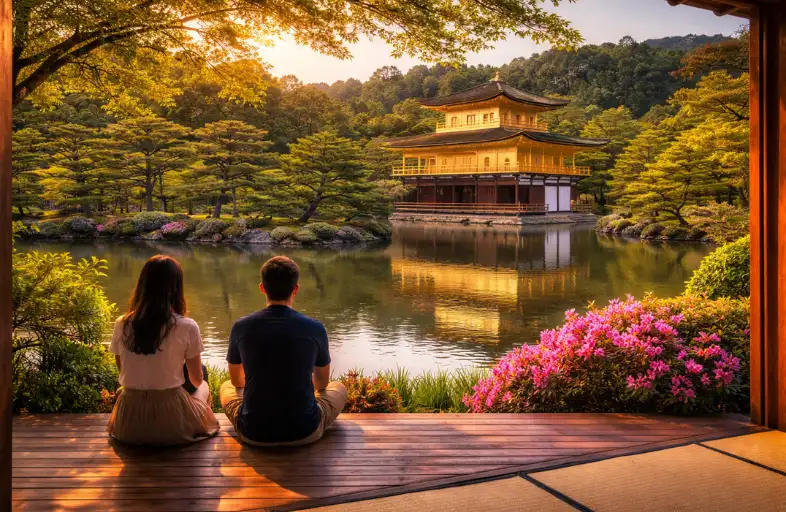
Because of its unique combination of nature, culture, and wildlife, Arashiyama is a highlight of many Kyoto sightseeing itineraries.
Arashiyama Bamboo Grove
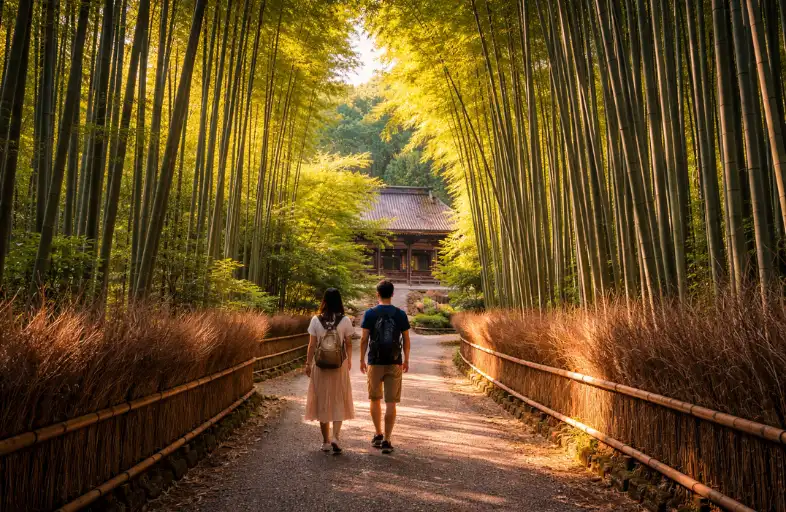
One of the most famous attractions in Kyoto, Japan, the Arashiyama Bamboo Grove is a magical place where tall bamboo stalks create a peaceful and almost surreal atmosphere.
Walking along the bamboo-lined path is one of the most photographed experiences in Kyoto. The sunlight filtering through the towering bamboo trees creates a calm and beautiful setting.
Because it is such a popular attraction, it’s best to arrive early in the morning. Visiting the Arashiyama Bamboo Forest early allows you to enjoy the peaceful surroundings before larger crowds arrive.
Tenryu-ji Temple
Located just next to the bamboo grove, Tenryu-ji Temple is one of the most important Zen temples in Kyoto and a UNESCO World Heritage Site. The temple is famous for its traditional gardens that have remained largely unchanged for centuries.
The beautifully designed garden features ponds, rocks, and carefully arranged trees that reflect the principles of Zen landscape design. From the garden, visitors can also see the nearby mountains, which add to the peaceful atmosphere.
Visiting Tenryu-ji Temple is an important cultural experience and a perfect addition to your Kyoto travel guide.
Togetsukyo Bridge
Another famous landmark in Arashiyama is the historic Togetsukyo Bridge, which stretches across the scenic Katsura River. The bridge offers beautiful views of the surrounding mountains and is one of the most iconic photo spots in the district.
During spring and autumn, the scenery around the bridge becomes especially beautiful with cherry blossoms or colorful fall leaves.
Walking around the Togetsukyo Bridge area allows visitors to relax and enjoy the natural beauty that makes Arashiyama such an important stop in any Kyoto trip itinerary.
Arashiyama Monkey Park
For a unique experience, finish your day by visiting Arashiyama Monkey Park, located on a hill overlooking the district. After a short hike to the top, visitors are rewarded with panoramic views of Kyoto city and the surrounding mountains.
At the park, you can observe wild Japanese macaque monkeys in their natural habitat. These playful animals roam freely around the park, creating a fun and memorable experience for visitors.
Combining nature, wildlife, and stunning views, Arashiyama Monkey Park adds a special touch to your Kyoto 5 day itinerary, making the fourth day both relaxing and adventurous.
Day 5: Culture, Gardens and Relaxation
The final day of your 5 days in Kyoto itinerary is perfect for slowing down and enjoying the peaceful side of the city. After visiting famous landmarks and historic districts during the previous days, this part of your Kyoto travel itinerary focuses on beautiful gardens, quiet walking paths, and relaxing cultural spots.
Kyoto is known for its calm atmosphere and traditional landscapes, and this day allows you to experience those elements fully. You’ll walk along scenic paths, visit historic temples, and explore local cafés where you can enjoy Kyoto’s famous matcha desserts and traditional sweets.
Ending your Kyoto sightseeing itinerary with a relaxed cultural day creates the perfect balance between temples, nature, food, and local experiences.
Philosopher’s Path Walk
Begin your morning with a peaceful walk along the Philosopher’s Path, one of the most beautiful walking routes in Kyoto, Japan. This scenic stone path follows a small canal lined with trees, creating a quiet and relaxing atmosphere.
The path is especially famous during cherry blossom season, when the trees bloom with soft pink flowers. However, it is beautiful in every season and remains a popular stop in many Kyoto travel itineraries.
As you walk along the canal, you’ll pass small temples, art shops, and cozy cafés. The calm environment makes the Philosopher’s Path one of the most relaxing experiences in any Kyoto trip itinerary.
Ginkaku-ji Temple
At the end of the Philosopher’s Path, you’ll find Ginkaku-ji Temple, also known as the Silver Pavilion. This famous temple is one of Kyoto’s most elegant historic sites and is known for its beautiful gardens and carefully designed landscape.
Unlike many other temples, Ginkaku-ji is famous for its minimalist design and peaceful surroundings. The temple grounds include moss gardens, stone paths, and scenic viewpoints overlooking the trees and hills.
For travelers following a Kyoto itinerary for first-time visitors, visiting Ginkaku-ji Temple provides a wonderful opportunity to experience the beauty of traditional Japanese garden design.
Kyoto Imperial Palace
Next, visit the historic Kyoto Imperial Palace, located in the spacious Kyoto Imperial Park. This palace once served as the residence of Japan’s imperial family before the capital moved to Tokyo.
The palace complex features traditional architecture, wide courtyards, and beautiful gardens that reflect Kyoto’s royal history. Walking through the park also offers a chance to enjoy open green spaces, which are rare in the city center.
Including the Kyoto Imperial Palace in your Kyoto travel guide allows you to learn more about Japan’s history while enjoying a peaceful and scenic location.
Last Minute Shopping and Cafes
To finish your Kyoto 5 day itinerary, spend some time exploring Kyoto’s local shops and cafés. Areas around Downtown Kyoto and Gion are excellent places to buy souvenirs and enjoy a relaxing meal.
Many visitors enjoy trying matcha desserts, traditional wagashi sweets, and Kyoto-style tea in local cafés. You can also visit small shops that sell handmade crafts, ceramics, and traditional Japanese souvenirs.
Ending your trip with a relaxing café visit or a peaceful walk through the city is a wonderful way to reflect on your Kyoto travel experience before leaving this historic destination.
Hidden Gems in Kyoto Most Tourists Miss
While many visitors focus on famous attractions like Fushimi Inari Shrine, Arashiyama Bamboo Grove, and Kiyomizu-dera Temple, Kyoto is also full of lesser-known places that offer a quieter and more authentic experience.
Exploring these hidden locations can make your Kyoto travel itinerary feel more unique and personal. These spots often have fewer crowds but still capture the beauty and culture that make Kyoto, Japan so special.
Adding a few of these destinations to your Kyoto sightseeing itinerary allows you to discover a side of Kyoto that many travelers never see.
Otagi Nenbutsu-ji Temple
Located in the northern part of Arashiyama, Otagi Nenbutsu-ji Temple is one of Kyoto’s most unusual and fascinating temples. The temple grounds are filled with more than 1,000 stone statues, each with its own unique facial expression and personality.
Many of the statues appear smiling, laughing, or making playful gestures, giving the temple a very special atmosphere. Walking among these statues feels both peaceful and slightly mysterious.
Because it is located away from the main tourist routes, Otagi Nenbutsu-ji Temple remains a hidden gem that few visitors include in their Kyoto trip itinerary.
Shirakawa Canal Walk
The Shirakawa Canal is one of the most charming hidden walks in Kyoto. Located near the Gion District, this quiet canal area features traditional wooden houses, stone bridges, and peaceful walking paths.
The canal becomes especially beautiful in the evening when lanterns illuminate the street, creating a magical atmosphere. It is also a wonderful place for photography, as the reflections of the buildings in the water create stunning views.
For travelers looking to experience a quieter side of historic Kyoto, the Shirakawa Canal Walk is a perfect addition to a well-rounded Kyoto travel guide.
Kurama Village
For those who want to explore beyond the city center, Kurama Village offers a beautiful escape into nature. Located in the mountains north of Kyoto, this peaceful village is known for its traditional temples, forest trails, and relaxing hot springs.
Visitors often hike the scenic trail between Kurama Temple and Kibune Shrine, a route that passes through beautiful forests and mountain landscapes.
Including Kurama Village in your Kyoto itinerary allows you to experience a completely different side of the region, combining nature, spirituality, and traditional Japanese culture.
Kyoto Food Guide for Your Trip
Food is an essential part of any Kyoto travel itinerary. The city is famous for its traditional Japanese cuisine, seasonal dishes, and unique local flavors that reflect Kyoto’s long cultural history. Exploring local food spots is not only about eating—it is also a way to experience the everyday culture of Kyoto, Japan.
From traditional Kyoto-style meals to lively food markets and cozy local restaurants, there are many delicious options to enjoy during your 5 days in Kyoto itinerary. Whether you are walking through Nishiki Market, dining in the historic Gion District, or discovering small cafés in Downtown Kyoto, the city offers something for every traveler.
Including food experiences in your Kyoto trip itinerary will make your visit even more memorable while giving you a deeper connection to Kyoto’s culture.
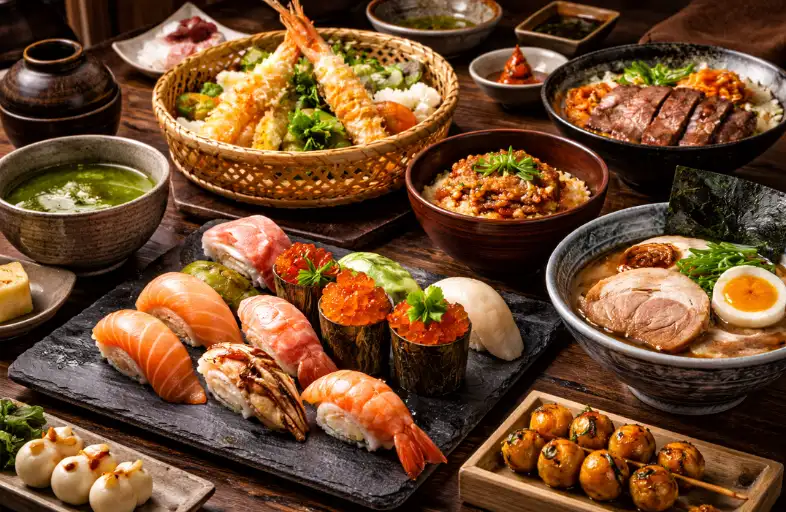
Traditional Kyoto Dishes
Kyoto is known for several traditional dishes that reflect the city’s cultural heritage and seasonal ingredients. Trying these local foods is an important part of any Kyoto travel guide.
One of the most famous dishes is Kaiseki, a traditional multi-course meal that focuses on presentation, seasonal ingredients, and balance of flavors. Kaiseki meals are often served in traditional restaurants and provide a refined dining experience.
Another popular dish is Yudofu, a simple but delicious tofu hot pot that originated in Kyoto’s temple cuisine. It is commonly served near temples such as Tenryu-ji Temple and other historic areas.
You should also try matcha-based desserts, including matcha ice cream, cakes, and sweets. Kyoto is famous for its high-quality green tea, making matcha desserts a highlight of many Kyoto sightseeing itineraries.
Best Food Markets
If you want to experience local flavors in one place, visiting a food market is a must during your Kyoto 5 day itinerary. These markets offer a wide variety of street food, snacks, and traditional ingredients.
The most famous market in the city is Nishiki Market, often called “Kyoto’s Kitchen.” This historic market street is filled with small shops selling seafood, grilled dishes, pickled vegetables, and traditional sweets.
Walking through Nishiki Market allows visitors to try different foods while exploring one of Kyoto’s most lively areas. It is one of the most popular stops in many Kyoto travel itineraries for first-time visitors.
Another interesting food area is the Fushimi Sake District, where travelers can visit traditional sake breweries and taste locally produced sake.
Best Restaurants in Kyoto
Kyoto offers a wide range of restaurants, from elegant traditional dining to casual local eateries. Many travelers enjoy dining in historic areas such as Pontocho Alley and Gion, where restaurants often serve authentic Kyoto-style cuisine.
In Pontocho Alley, narrow lantern-lit streets are lined with restaurants offering fresh seafood, grilled dishes, and seasonal Japanese meals. Dining here is not just about food—it is also about experiencing Kyoto’s traditional atmosphere.
For travelers looking for a relaxed meal, Downtown Kyoto also has many ramen shops, sushi restaurants, and small cafés that serve delicious local dishes. Exploring different restaurants is a great way to add flavor and variety to your Kyoto trip itinerary.
Where to Stay in Kyoto
Choosing the right place to stay is an important part of planning your Kyoto travel itinerary. Kyoto has many accommodation options ranging from luxury hotels and traditional ryokans to budget-friendly hostels.
The best place to stay often depends on your travel style and budget. Staying in a convenient area will make it easier to explore major attractions such as Kiyomizu-dera Temple, Fushimi Inari Shrine, and the Arashiyama Bamboo Grove.
Understanding the main accommodation areas will help you choose the best location for your 5 days in Kyoto itinerary.
Best Areas for First-Time Visitors
For travelers visiting Kyoto, Japan for the first time, Downtown Kyoto is one of the most convenient places to stay. This area offers easy access to shopping streets, restaurants, and public transportation.
Another excellent location is the Gion District, which is known for its historic charm and traditional atmosphere. Staying in Gion allows visitors to experience Kyoto’s cultural side while remaining close to many popular attractions.
Both areas are centrally located, making them perfect bases for exploring different parts of the city during your Kyoto sightseeing itinerary.
Luxury Hotels
Travelers looking for a high-end experience will find several luxury hotels in Kyoto. These hotels often combine modern comfort with traditional Japanese design.
Many luxury hotels are located near scenic areas or historic districts, offering beautiful views and excellent service. Some properties also include traditional gardens, spa facilities, and fine dining restaurants.
For visitors who want a relaxing and elegant stay, luxury hotels can enhance the overall experience of a Kyoto travel itinerary.
Mid-Range Hotels
Mid-range hotels are a popular choice for many travelers because they offer a balance between comfort, location, and price. These hotels often provide clean rooms, helpful staff, and convenient access to Kyoto’s transportation system.
Many mid-range hotels are located near Downtown Kyoto, Kyoto Station, or Gion, making it easy to explore the city’s main attractions.
Choosing a well-located mid-range hotel can make your Kyoto sightseeing itinerary much easier to manage.
Budget Accommodation
Kyoto also offers many budget-friendly accommodation options, including hostels, guesthouses, and capsule hotels. These places are ideal for travelers who want to explore the city while keeping costs low.
Many hostels provide comfortable shared spaces, helpful travel tips, and opportunities to meet other travelers. Some budget accommodations even offer traditional Japanese-style rooms, giving visitors a unique cultural experience.
Budget travelers can still enjoy a wonderful Kyoto travel experience while following a well-planned Kyoto 5 day itinerary.
How to Get Around Kyoto
Getting around the city is simple once you understand Kyoto’s public transportation system. While Kyoto is a historic city with narrow streets and traditional districts, it also has an efficient network of buses, trains, and subway lines that connect most major attractions.
During your 5 days in Kyoto itinerary, you will likely travel between famous places such as Fushimi Inari Shrine, Arashiyama Bamboo Grove, Kiyomizu-dera Temple, and Downtown Kyoto. Using the right transportation options can save time and make your Kyoto travel itinerary much smoother.
Many travelers also combine public transportation with walking, especially when exploring traditional areas like Gion and Higashiyama, where attractions are close together
Kyoto Bus System
The Kyoto bus system is one of the most convenient ways to travel around the city. Many of Kyoto’s famous attractions, including Kiyomizu-dera Temple, Ginkaku-ji Temple, and the Golden Pavilion (Kinkaku-ji), are easily accessible by bus.
City buses run frequently and connect most major tourist areas. Stops are clearly marked, and many buses provide English announcements, which helps international travelers navigate the city.
For travelers following a Kyoto sightseeing itinerary, buses are especially useful when visiting temple districts where subway lines are not available. Although buses can become crowded during peak tourist seasons, they remain a reliable way to explore Kyoto.
Kyoto Subway Lines
Kyoto’s subway system is smaller than those in cities like Tokyo or Osaka, but it is still very useful for travelers. The city has two main subway lines that connect several important areas.
The Karasuma Line runs north to south and connects Kyoto Station with the city center and other districts. The Tozai Line runs east to west and connects areas such as Downtown Kyoto and Higashiyama.
Subways are usually faster and less crowded than buses, making them a convenient option when traveling between central parts of your Kyoto travel itinerary.
JR Pass and IC Cards
Many travelers visiting Kyoto, Japan use the JR Pass, which allows unlimited travel on certain Japan Railways trains. The pass is especially helpful if you are traveling between major cities like Tokyo, Osaka, and Kyoto.
Within Kyoto itself, travelers often use IC cards such as ICOCA, Suica, or Pasmo. These rechargeable cards make it easy to pay for transportation without buying individual tickets.
Using an IC card during your Kyoto 5 day itinerary saves time because you can simply tap the card at train stations, buses, and some convenience stores.
Best Transport Passes for Tourists
Several transportation passes are designed specifically for tourists exploring Kyoto. These passes can help travelers save money while following a busy Kyoto sightseeing itinerary.

One of the most popular options is the Kyoto Bus Day Pass, which allows unlimited travel on city buses for one day. This pass is especially useful when visiting temple areas like Higashiyama or Arashiyama.
Another option is the Kyoto Subway and Bus Pass, which combines both systems for easier travel across the city.
Choosing the right transport pass can make your Kyoto travel itinerary for first-time visitors much easier to manage while allowing you to explore more attractions efficiently.
Best Time to Visit Kyoto
Choosing the right season can greatly improve your Kyoto travel experience. The city is beautiful throughout the year, but each season offers a different atmosphere, scenery, and cultural events.
Whether you want to see cherry blossoms, colorful autumn leaves, lively festivals, or peaceful winter temples, Kyoto offers something special in every season.
Understanding the seasonal highlights will help you plan the perfect Kyoto trip itinerary.
Cherry Blossom Season
Spring is one of the most popular times to visit Kyoto, Japan. During cherry blossom season, the city transforms into a breathtaking landscape filled with soft pink flowers.
Many famous locations, such as the Philosopher’s Path, Maruyama Park, and Kiyomizu-dera Temple, become incredibly beautiful during this time.
Because cherry blossom season attracts visitors from around the world, it is important to book accommodations early if your Kyoto 5-day itinerary falls during spring.
Autumn Foliage Season
Another spectacular time to visit Kyoto is during autumn, when the city’s maple trees turn vibrant shades of red, orange, and gold.
Temples such as Tofuku-ji Temple, Kiyomizu-dera, and the Arashiyama district become especially beautiful during this season. The colorful landscapes create some of the most stunning scenery in Japan.
For many travelers, autumn offers the perfect balance of comfortable weather and breathtaking views, making it an ideal time for a Kyoto travel itinerary.
Summer Festivals
Summer in Kyoto can be warm and humid, but it is also the season of exciting traditional festivals. One of the most famous events is the Gion Matsuri, held every July.
This historic festival features large decorative floats, traditional performances, and lively street celebrations. Visitors can experience Kyoto’s culture in a festive and energetic atmosphere.
If your Kyoto sightseeing itinerary includes summer travel, attending a local festival can become one of the highlights of your trip.
Winter Travel
Winter is a quieter season in Kyoto, but it offers a peaceful and magical atmosphere. Temples and shrines become much less crowded, allowing visitors to explore historic sites at a slower pace.
Occasionally, light snowfall covers the city’s temples and gardens, creating stunning views at places like Kinkaku-ji (Golden Pavilion) and Arashiyama. Traveling during winter can be a wonderful option for those who want a more relaxed Kyoto travel itinerary while still enjoying the beauty of the city.
Kyoto Travel Budget for 5 Days
Planning a realistic budget is an important step when creating your 5-day itinerary in Kyoto. While Kyoto can be a luxury destination, it is also possible to explore the city comfortably on a moderate budget. Your total cost will mainly depend on accommodation choices, food preferences, transportation use, and attraction fees.
Most travelers find that Kyoto offers a wide range of options—from budget guesthouses and street food to luxury hotels and traditional dining experiences. By understanding the average costs in advance, you can plan a smoother Kyoto travel itinerary and avoid unexpected expenses during your trip.
Below is a simple breakdown of common expenses you might encounter while following your Kyoto sightseeing itinerary.
Average Hotel Prices
Accommodation is usually the largest expense during your Kyoto trip itinerary. Prices vary depending on the season, location, and type of hotel.
Budget travelers staying in hostels or guesthouses can expect to spend around $25–$60 per night. These places often provide shared facilities but still offer a comfortable stay.
Mid-range hotels usually cost between $90–$180 per night, offering private rooms, modern amenities, and convenient locations near Downtown Kyoto or Kyoto Station.
For those seeking a luxury experience, high-end hotels or traditional ryokans may cost $250 or more per night, often including beautiful gardens, cultural experiences, and exceptional service.
Choosing the right accommodation can greatly influence the overall cost of your Kyoto 5 day itinerary.
Food Costs
Food prices in Kyoto are generally reasonable, especially if you mix casual meals with occasional restaurant dining. Local dishes, street food, and small restaurants allow travelers to enjoy authentic flavors without spending too much.
Simple meals such as ramen, udon, or rice bowls often cost around $6–$12, while casual restaurant meals typically range from $12–$25.
Traditional dining experiences such as Kaiseki cuisine can be more expensive, sometimes costing $60–$150 per person, but they provide a memorable cultural experience.
Visiting food destinations like Nishiki Market during your Kyoto travel itinerary is also a great way to try different dishes while keeping costs manageable.
Transportation Costs
Transportation in Kyoto is fairly affordable and easy to manage. Most travelers rely on a mix of buses, subway lines, and short train rides to reach popular attractions such as Fushimi Inari Shrine, Arashiyama Bamboo Grove, and Kiyomizu-dera Temple.
Single bus or subway rides usually cost around $2–$3. However, many visitors purchase daily transportation passes to save money while following a busy Kyoto sightseeing itinerary.
For example, a Kyoto Bus Day Pass allows unlimited travel on city buses for the day and costs around $5–$7. Travelers using IC cards like ICOCA or Suica can also easily tap in and out of buses and trains during their Kyoto travel itinerary for first-time visitors.
Temple Entrance Fees
Many temples and cultural attractions in Kyoto charge a small entrance fee. These fees help preserve historic buildings and maintain the beautiful gardens that make Kyoto so special.
Most temple entry tickets range from $3–$6 per person. Famous temples such as Kiyomizu-dera Temple, Tenryu-ji Temple, and Ginkaku-ji Temple usually fall within this price range.
Some attractions, such as Fushimi Inari Shrine, are free to visit, making them popular highlights in many Kyoto travel itineraries.
Overall, budgeting a small amount each day for temple visits will allow you to explore Kyoto’s historic sites without exceeding your travel budget.
Kyoto Photo Spots for Travelers
Kyoto is one of the most photogenic cities in Japan, offering stunning backdrops filled with historic temples, traditional streets, and natural scenery. For travelers who enjoy photography, the city provides countless opportunities to capture memorable moments.
From the towering bamboo forests of Arashiyama to the iconic torii gates of Fushimi Inari Shrine, Kyoto’s landscapes create some of the most recognizable images in Japan. Even quiet neighborhoods and hidden streets can produce beautiful photos.
Adding these locations to your Kyoto travel itinerary will allow you to capture the beauty of the city while creating unforgettable travel memories.
Best Bamboo Grove Photos
The Arashiyama Bamboo Grove is one of the most famous photography spots in Kyoto. The tall green bamboo stalks create a unique natural tunnel that feels both peaceful and dramatic.
Early morning is the best time to capture photos here, as the soft sunlight filters through the bamboo and the crowds are smaller. Walking along the bamboo path during sunrise can create stunning images that highlight the calm beauty of Arashiyama.
Because of its magical atmosphere, the Arashiyama Bamboo Forest remains one of the most photographed locations in many Kyoto sightseeing itineraries.
Torii Gate Photography
Another iconic photo opportunity in Kyoto, Japan is the endless pathway of red gates at Fushimi Inari Shrine. The bright torii gates create a striking contrast against the surrounding forest, making it one of the most recognizable landmarks in the country.
Photographers often capture images along the torii gate tunnels, where the repeating shapes and colors create powerful visual patterns. Visiting early in the morning helps avoid crowds and allows for cleaner photos.
Including Fushimi Inari Shrine in your Kyoto trip itinerary guarantees one of the most memorable photo experiences in Japan.
Hidden Kyoto Streets
Some of the most beautiful photos in Kyoto come from its quiet streets rather than famous landmarks. Historic areas such as Gion, Higashiyama, and the small alleys near Shirakawa Canal offer charming scenes filled with traditional wooden buildings and lantern-lit pathways.
These streets provide a glimpse into the old-world atmosphere of Kyoto, making them perfect for capturing the city’s authentic character.
Walking through these neighborhoods during your Kyoto travel itinerary allows you to discover unexpected photography spots while experiencing the peaceful charm that defines Kyoto, Japan.
Kyoto Off the Beaten Path Experiences
While most travelers focus on famous attractions like Fushimi Inari Shrine, Arashiyama Bamboo Grove, and Kiyomizu-dera Temple, Kyoto also offers many unique cultural experiences beyond the typical tourist route. These activities allow visitors to connect more deeply with the traditions and lifestyle of Kyoto, Japan.
Adding a few authentic experiences to your Kyoto travel itinerary can make your trip more meaningful. Instead of only visiting temples and landmarks, you can participate in traditional customs that have been part of Kyoto’s culture for centuries.
These off-the-beaten-path experiences bring a richer cultural perspective to your 5-day itinerary in Kyoto and allow you to see a side of Kyoto that many tourists miss.
Tea Ceremony Experience
One of the most traditional cultural activities in Kyoto is the Japanese tea ceremony, also known as chanoyu. This ceremony focuses on the careful preparation and serving of matcha green tea, emphasizing mindfulness, hospitality, and respect.
During a tea ceremony, guests learn about the history and meaning behind each step of the process. The experience often takes place in a peaceful tea house surrounded by traditional architecture and gardens.
Participating in a Kyoto tea ceremony is a memorable cultural activity and a perfect addition to any Kyoto travel guide. Many tea houses in areas like Gion and Higashiyama offer sessions designed for international visitors.
Traditional Ryokan Stay
Another unique way to experience Kyoto’s culture is by staying in a traditional ryokan, a Japanese-style inn. Ryokans offer a completely different atmosphere compared to modern hotels and provide a glimpse into traditional Japanese hospitality.
Guests typically sleep on futon bedding placed on tatami mat floors, enjoy seasonal meals served in their rooms, and relax in traditional gardens or hot spring baths.
Staying at a Kyoto ryokan can turn an ordinary trip into a cultural experience. Many travelers include at least one night in a ryokan during their Kyoto trip itinerary to fully experience traditional Japanese living.
Kyoto Craft Workshops
Kyoto has a long history of traditional crafts and artistic techniques. Participating in a local craft workshop allows visitors to learn these skills while creating a unique souvenir.
Some workshops teach ceramic pottery, traditional calligraphy, fan painting, or kimono dyeing techniques. These hands-on experiences provide insight into Kyoto’s artistic traditions and cultural heritage.
Joining a craft workshop is a wonderful way to add creativity and cultural learning to your Kyoto sightseeing itinerary while supporting local artisans.
Common Kyoto Travel Mistakes
Even with a well-planned Kyoto travel itinerary, many visitors make small mistakes that can affect their overall experience. Kyoto is a popular destination, and understanding how to navigate the city properly can help you avoid unnecessary stress.
By learning about common mistakes ahead of time, you can improve your Kyoto sightseeing itinerary and make the most of your 5 days in Kyoto. The following tips will help ensure that your trip runs smoothly while allowing you to fully enjoy Kyoto’s temples, culture, and historic districts.
Visiting Fushimi Inari Too Late
One of the most common mistakes travelers make is visiting Fushimi Inari Shrine too late in the day. Because it is one of the most famous attractions in Kyoto, Japan, the shrine can become extremely crowded by mid-morning.
To fully enjoy the iconic torii gate tunnels, it is best to visit early in the morning, ideally around sunrise. Early visits allow you to walk through the gates peacefully and take better photos without large crowds.
Planning an early visit to Fushimi Inari Shrine is one of the most valuable tips for any Kyoto travel itinerary for first-time visitors.
Skipping Temple Opening Hours
Another mistake many visitors make is not checking the temple’s opening hours. Most temples in Kyoto open around 8:00 or 9:00 AM and close in the late afternoon.
Arriving too late may mean missing the chance to explore certain temples or gardens. For example, famous locations like Kiyomizu-dera Temple, Ginkaku-ji Temple, and Tenryu-ji Temple have specific visiting hours.
Planning your day carefully will help you avoid missing important attractions while following your Kyoto 5 day itinerary.
Underestimating Walking Distances
Kyoto is a walkable city, but many travelers underestimate the amount of walking required between temples, markets, and historic districts.
Areas like Higashiyama, Arashiyama, and the Philosopher’s Path often require long walks between attractions. Wearing comfortable shoes and pacing your schedule can make a big difference in your overall experience.
Balancing walking with public transportation is one of the best ways to enjoy your Kyoto sightseeing itinerary while avoiding unnecessary fatigue.
Frequently Asked Questions About Kyoto
Planning a trip to Kyoto, Japan often raises many questions, especially for first-time visitors. Below are some of the most common questions travelers ask when preparing their Kyoto travel itinerary. These answers can help you plan a smoother and more enjoyable 5-day itinerary in Kyoto.
Is 5 days enough in Kyoto?
Yes, five days in Kyoto is considered the perfect amount of time for most travelers. A Kyoto 5 day itinerary allows you to explore the city’s most famous attractions while still having time to relax and enjoy the atmosphere.
Within five days, visitors can explore iconic locations such as Fushimi Inari Shrine, Arashiyama Bamboo Grove, Kiyomizu-dera Temple, and the historic streets of Gion and Higashiyama. You can also experience local culture, visit food markets like Nishiki Market, and discover hidden corners of the city.
For first-time visitors, a well-organized Kyoto travel itinerary for 5 days offers the ideal balance between sightseeing, cultural experiences, and relaxation.
What are the must-see places in Kyoto?
Kyoto is filled with historic temples, scenic landscapes, and cultural landmarks. Some of the must-see places in Kyoto include:
- Fushimi Inari Shrine – famous for its thousands of red torii gates
- Arashiyama Bamboo Grove – one of Kyoto’s most iconic natural attractions
- Kiyomizu-dera Temple – a historic temple with a beautiful city view
- Gion District – known for traditional streets and geisha culture
- Nishiki Market – a lively food market offering local specialties
These locations are often included in nearly every Kyoto sightseeing itinerary because they represent the city’s unique blend of history, culture, and natural beauty.
Can you do a Nara day trip from Kyoto?
Yes, taking a Nara day trip from Kyoto is very easy and highly recommended. Nara is located only about 45–60 minutes away by train, making it one of the most popular day trips during a Kyoto trip itinerary.
The main attraction in Nara is Nara Park, where visitors can see hundreds of friendly deer roaming freely. Other highlights include Todai-ji Temple, which houses one of the largest bronze Buddha statues in the world.
Adding a Nara day trip to your Kyoto travel itinerary allows you to explore another historic city while experiencing more of Japan’s cultural heritage.
What is the best time to visit Kyoto?
The best time to visit Kyoto, Japan depends on what kind of scenery and atmosphere you want to experience. Many travelers visit during spring, when cherry blossoms bloom across the city. Popular spots like the Philosopher’s Path and Maruyama Park become especially beautiful during this season.
Another excellent time is autumn, when temples and gardens are surrounded by colorful red and orange leaves. Locations such as Tofuku-ji Temple and Arashiyama are particularly stunning during the fall foliage season. While spring and autumn are the most popular seasons, Kyoto can be enjoyed year-round as part of any well-planned Kyoto travel itinerary.
Final Thoughts on This 5 Day Kyoto Itinerary
Kyoto is a city where history, culture, and natural beauty come together in a truly unforgettable way. From walking through the iconic torii gates of Fushimi Inari Shrine to exploring the peaceful paths of Arashiyama Bamboo Grove, every corner of Kyoto offers something unique.
This carefully designed 5-day Kyoto itinerary allows travelers to explore the city’s most important attractions while also experiencing its traditional neighborhoods, local food, and cultural experiences. By organizing your trip by districts and balancing sightseeing with relaxation, you can enjoy the best that Kyoto, Japan has to offer.
Whether you are discovering historic temples, tasting local dishes at Nishiki Market, or enjoying a quiet walk through Higashiyama, this Kyoto travel guide helps create a meaningful and memorable journey. With the right planning, your Kyoto 5 day itinerary will not just be a trip—it will be an experience that stays with you long after you leave this beautiful city.